
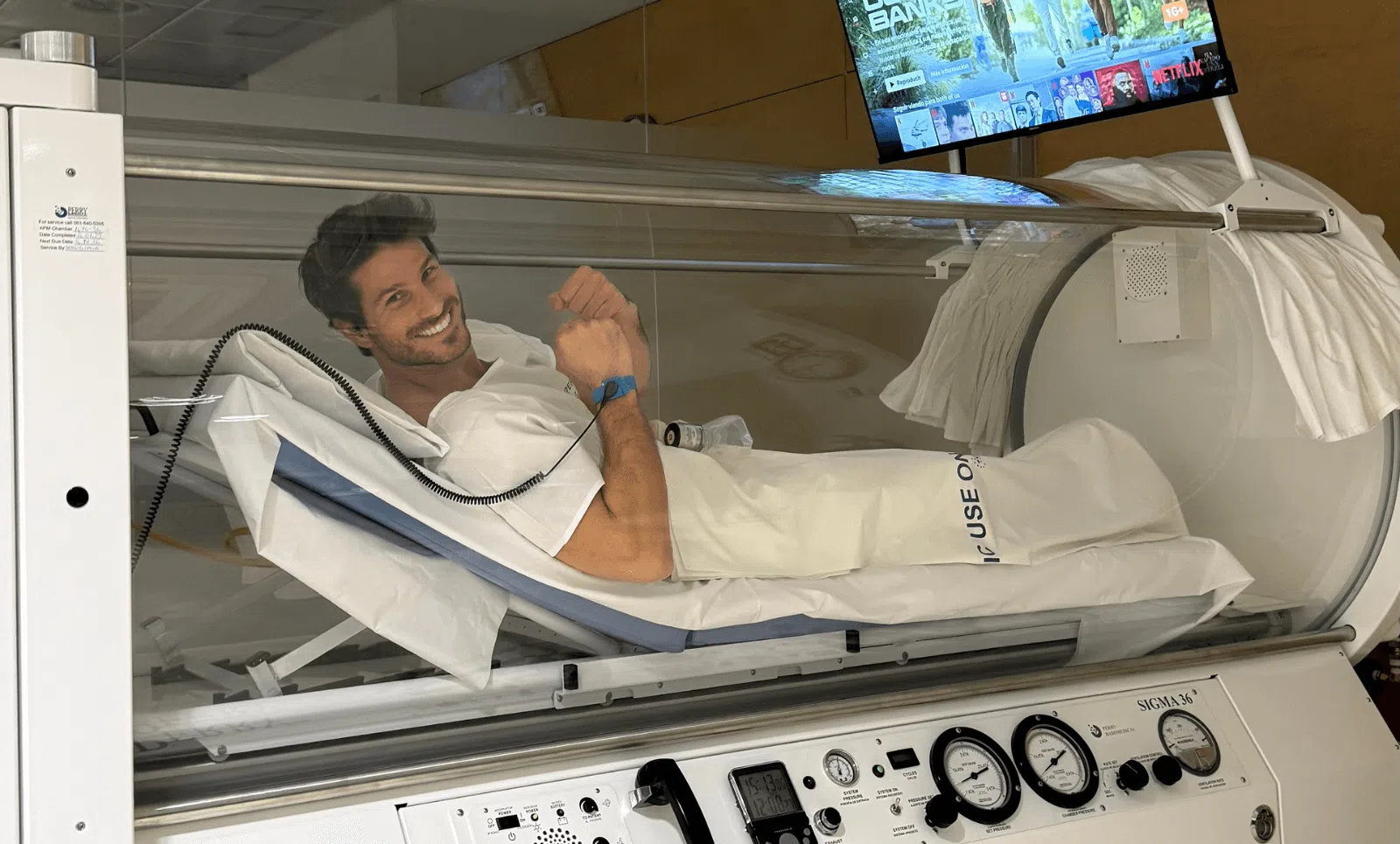
Regenerative medicine aims to slow down aging, both in terms of health and quality of life, as well as aesthetics.
In this post, we present the first installment of a series of conversations between Dr. Jorge Planas, renowned plastic surgeon and medical director of Clínica Planas, and Dr. Miguel Garber, a leading specialist in regenerative medicine. Through this dialogue, we explore the advancements, applications, and the tremendous potential that regenerative medicine offers, a field that is transforming the traditional approach to medicine by stimulating the body’s natural repair processes. Our goal is to open a window into this exciting field and share with you how these innovations can improve quality of life and provide new therapeutic and aesthetic opportunities.
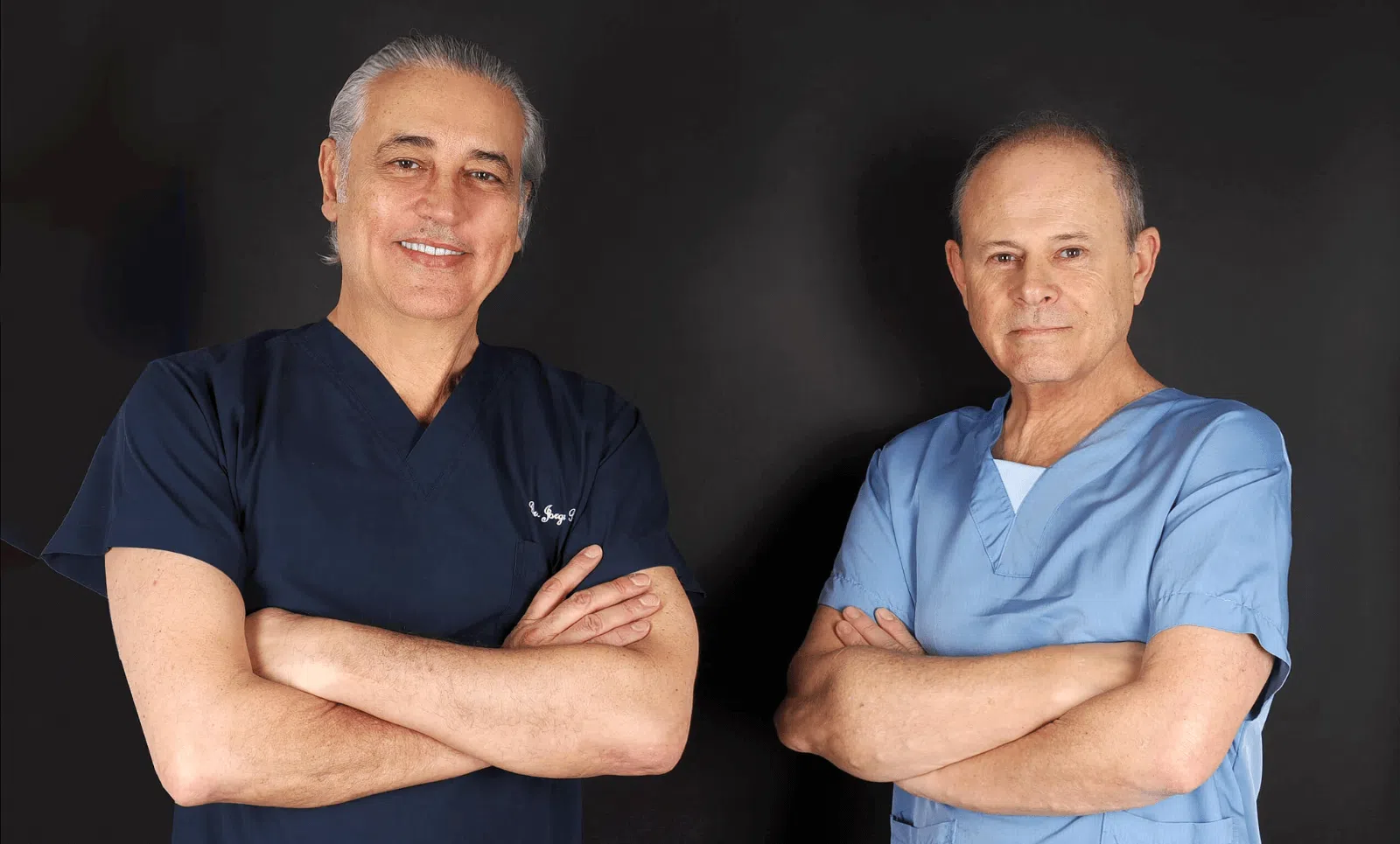
DR. JORGE PLANAS:
Let’s talk about the applications of regenerative medicine in health. What diseases or injuries can be treated with regenerative medicine?
DR. MIGUEL GARBER:
The first question we should ask ourselves is: Where is regenerative medicine heading?
Regenerative medicine aims to recover organs and tissues in order to, in many cases, avoid the need for a transplant in the future.
Starting from that goal, the first important concept is that regenerative medicine works to stop or reverse the degeneration of tissues.
This doesn’t mean that every disease or ailment can be treated solely with stem cells, plasma, or hyperbaric chambers.
Regenerative medicine encompasses a broad range of tools that allow us to stimulate the body’s natural recovery capacity. For example:
- Dietary supplements
- Blood molecules
- Stimulation through cold or heat
- Certain medications and/or treatments
In other words, we combine different stimuli so that the body activates its own repair mechanisms and establishes a kind of “strategic alliance” between its tissues and organs to recover.
DR. JORGE PLANAS:
So, we can think of one important pillar of regenerative medicine as proposing a healing process that is not reactive, but proactive.
DR. MIGUEL GARBER:
Exactly. Regenerative medicine works proactively, aiming to prevent illness or help us recover from injuries or discomforts.
And if the organ or tissue is already affected, the approach remains proactive: we stimulate its repair capabilities to improve the patient’s quality of life.
That’s why, within regenerative medicine, we also talk about regenerative longevity, which consists of stimulating the body to function in the best possible way. And this doesn’t only depend on treatments but also on fundamental habits such as:
- Healthy nutrition
- Physical activity
- Good rest
- Restorative sleep
- Stress management
- The quality of social relationships
It’s scientifically proven that even a smile can activate regenerative processes, as emotional well-being regulates our hormonal system.
In summary: regenerative medicine is not limited to stem cell treatments or vitamins, but is a comprehensive strategy to help the body function at an optimal level.

DR. JORGE PLANAS:
So, can regenerative medicine help, for example, with joint pain or sports injuries?
DR. MIGUEL GARBER:
Of course. One of the primary goals is to regulate inflammation, which is the source of many injuries and diseases. That’s why we:
- Control inflammation
- Relieve pain
- Improve the body’s reaction and recovery capacity
DR. JORGE PLANAS:
In another conversation, you mentioned that many times, when there’s a sports injury, we take an anti-inflammatory and within a few days the pain disappears. However, you also mentioned that there is another type of inflammation that is more dangerous.
DR. MIGUEL GARBER:
Exactly. I’m referring to low-grade chronic inflammation.
It’s a type of inflammation that doesn’t produce pain or visible symptoms, but it lingers in the body and, over time, can lead to serious diseases.
DR. JORGE PLANAS:
So, going back to what we were discussing earlier: one of the main goals of regenerative medicine is to detect this silent inflammation before it causes further damage to an organ or tissue, right?
DR. MIGUEL GARBER:
Exactly.
Let me use a metaphor. Do you remember Minority Report, the movie with Tom Cruise, where technology was used to prevent crimes before they happened? Regenerative medicine works in a similar way.
We aim to detect these inflammatory processes early, before symptoms appear.
That’s why, in the first consultation, we perform a detailed study of the patient’s inflammatory state, even if they feel healthy.
If we find inflammation:
- We identify its origin.
- We take action to reduce it.
Additionally, our regenerative longevity programs include personalized follow-up, with check-ups every six, eight, or twelve months to ensure that the inflammation has disappeared or remains controlled.
DR. JORGE PLANAS:
That means the patient is moving toward a more complete state of health.
DR. MIGUEL GARBER:
Exactly. Moreover, it significantly reduces the risk of degenerative diseases.
This is where genetics and epigenetics also come into play: while our genetics may predispose us to certain diseases, regenerative medicine works to prevent that predisposition from activating or, if it does, to delay it for much longer.
That’s what we call controlling our state of health.
DR. JORGE PLANAS:
Can osteoarthritis or cartilage problems also be treated?
DR. MIGUEL GARBER:
Yes, of course. The first thing we need to understand is that osteoarthritis and other joint problems are not just localized diseases, but systemic ones.
For example: two people can have the same age and lifestyle, but only one develops osteoarthritis. The difference is often in their genetic predisposition or other systemic factors.
Regenerative medicine not only treats the damaged tissue but also seeks to address the systemic cause of the damage, offering a long-lasting solution.
It’s not simply about “calming the pain” temporarily, as with anti-inflammatory drugs. Our goal is to intervene in the origin of the problem and offer a solution that allows the patient to maintain their quality of life in the long term.
DR. JORGE PLANAS:
And can herniated discs or spine problems also be treated?
DR. MIGUEL GARBER:
Yes, that’s right. Regenerative medicine can be applied to all chronic or degenerative diseases.
Our goal is always the same: to improve, halt progression, and, whenever possible, reverse the damage, so that the patient can maintain an optimal state of health for as long as possible.
TRATAMIENTOS RECOMENDADOS

Plasmapheresis
An advanced medical procedure that filters and purifies blood plasma, the liquid part of the blood where toxins, metabolic waste, and inflammatory molecules circulate.

Hyperbaric chamber
A hyperbaric chamber is a device that aims to increase the body’s oxygen supply. Its benefits include accelerated healing, reduced inflammation, and improved treatment of serious infections.

Facial rejuvenation with bioregenerative cells
The bioregenerative facial rejuvenation process obtains fat tissue to process and use it for regenerative purposes.
ARTÍCULOS RELACIONADOS
-
A strong immune system is essential for maintaining good health and preventing disease, but it…
-
We are starting a series of conversations between Dr. Jorge Planas, plastic surgeon and medical…
-

Dr. Miguel Garber shares all the key insights into chronic low-grade inflammation: its causes, consequences,…