
Therapeutic plasmapheresis, also referred to in certain contexts as therapeutic plasma exchange, is a medical apheresis procedure that separates plasma from the cellular components of blood.
During the procedure, blood is drawn from the patient through an extracorporeal circuit. The plasma is separated from the cellular components, and the amount specified by the medical protocol is removed. The cellular components are then returned to the patient along with the prescribed replacement fluid.
The goal of plasma exchange is to temporarily reduce the concentration of certain components present in plasma that may be involved in some diseases, such as antibodies, immune complexes, or other circulating proteins.
Its indication depends on the specific clinical situation and the specialist’s assessment.
What is Plasmapheresis?
Plasma exchange is one of the therapeutic apheresis techniques. These techniques allow the different components of blood to be separated so that specific action can be taken on one of them.
In therapeutic plasma exchange, a specific amount of plasma and the cellular components of the blood—such as red blood cells and platelets—are removed.
The removed plasma is replaced with a replacement fluid selected by the medical team, which may vary depending on the indication and protocol.
Related treatments
-
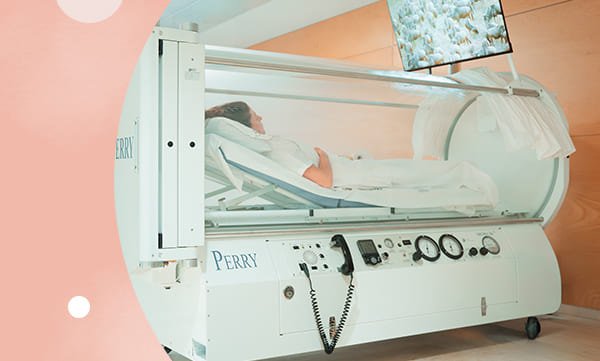
Hyperbaric Chamber and Oxygen Therapy
The hyperbaric chamber uses high-pressure oxygen to treat wounds, infections, and oedema. Discover its benefits and main therapeutic applications. -

Rejuvenation treatment
Our anti-ageing treatments combine the regenerative power of the body and the innovation of the Clinic with that of ageing better. -
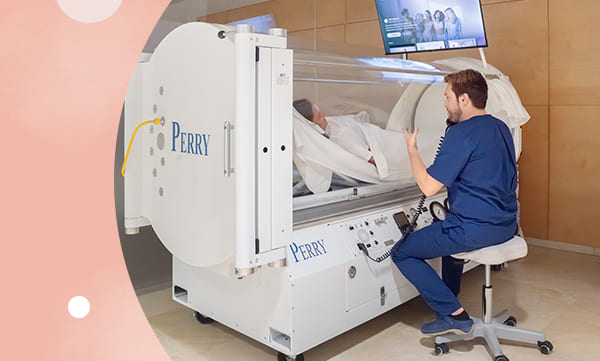
NAD+ Treatment with Hyperbaric Oxygen
Boost the benefits of NAD+ with a hyperbaric chamber. Advanced cellular treatment to restore your vitality.
What is plasmapheresis used for?
Plasma exchange can be used for certain diseases in which there are substances circulating in the plasma that contribute to the disease mechanism.
Removing a portion of the plasma can temporarily reduce certain components, such as:
- Antibodies.
- Immune complexes.
- Certain plasma proteins.
- Other circulating components involved in specific pathologies.
What does the science say about plasma exchange?
Read the paper “Dilution of aged plasma reduces human biological age: a clinical study”. You can read it by clicking here.
Check out the paper “Multi-omic analysis reveals biomarkers contributing to biological age rejuvenation in response to a randomized, placebo-controlled, single-blind therapeutic plasma exchange”. You can read it by clicking here.
Check out the paper “Can Plasma Exchange Be Used to Reduce the Circulating Load of Microplastics in Human Patients?”. You can read it by clicking here.
Book an
appointment
CLÍNICA PLANAS' DATA PROTECTION INFORMATION CLICK HERE
Purposes: To respond to your requests and to send you commercial information about our products and services, including via electronic means. Rights: At any time, you can withdraw your consent, access, rectify, delete your data and exercise other rights at doctor@clinicaplanas.com. Additional Information: Privacy Policy.
We are backed by 50 years of experience as a clinic specialising in plastic surgery and aesthetic medicine.
Our Patients’
Reviews
 Raquel Pacheco
12/08/2026
Raquel Pacheco
12/08/2026

 Robbie Berman
11/08/2026
Robbie Berman
11/08/2026
 M.Claustre Besora Canal
02/07/2026
M.Claustre Besora Canal
02/07/2026
 Cristina López sole
09/06/2026
Cristina López sole
09/06/2026
How is plasma exchange performed?
Before treatment, an individualized medical evaluation is performed to determine whether the procedure is indicated, assess possible contraindications, and establish the appropriate protocol.
During the procedure, blood circulates through an apheresis system that separates plasma from cellular components.
1. Vascular access
The necessary vascular access is established to allow for blood withdrawal and return during the procedure.
The type of access will depend on the patient’s characteristics and the prescribed treatment.
2. Separation and removal of plasma
The blood is processed using an apheresis system that separates the plasma from the cellular components.
The volume of plasma specified in the medical protocol is removed.
3. Replacement and return of cellular components
The cellular components are returned to the patient, and the volume of plasma removed is replaced with the indicated replacement fluid.
The composition of this fluid depends on the disease, the procedure, and the patient’s clinical characteristics.
What diseases can be treated with plasma exchange?
Therapeutic apheresis has recognized indications for certain neurological, hematological, and immunological diseases, as well as conditions in other medical specialties.
The indication does not depend solely on the diagnosis: for many diseases, it is used exclusively during certain phases, complications, or clinical situations.
Guillain-Barré syndrome
Plasma exchange is one of the established treatments for certain patients with Guillain-Barré syndrome.
Its use aims to remove circulating components involved in the disease’s immune process.
Therapeutic apheresis guidelines list plasma exchange among the first-line indications for this disease.
Myasthenia gravis
In myasthenia gravis, plasma exchange may be used in certain clinical scenarios to temporarily reduce the circulating antibodies involved in the disease.
It may be indicated, among other situations, during certain episodes of worsening symptoms or when a rapid therapeutic response is required.
The indication and number of sessions should be determined on an individual basis.
Multiple sclerosis
In multiple sclerosis, plasma exchange is not a routine treatment for all patients.
It may be considered in certain acute flare-ups, particularly in specific situations based on the response to other treatments and neurological evaluation.
The ASFA guidelines classify it as a second-line treatment in certain scenarios of multiple sclerosis.
Related
articles
-
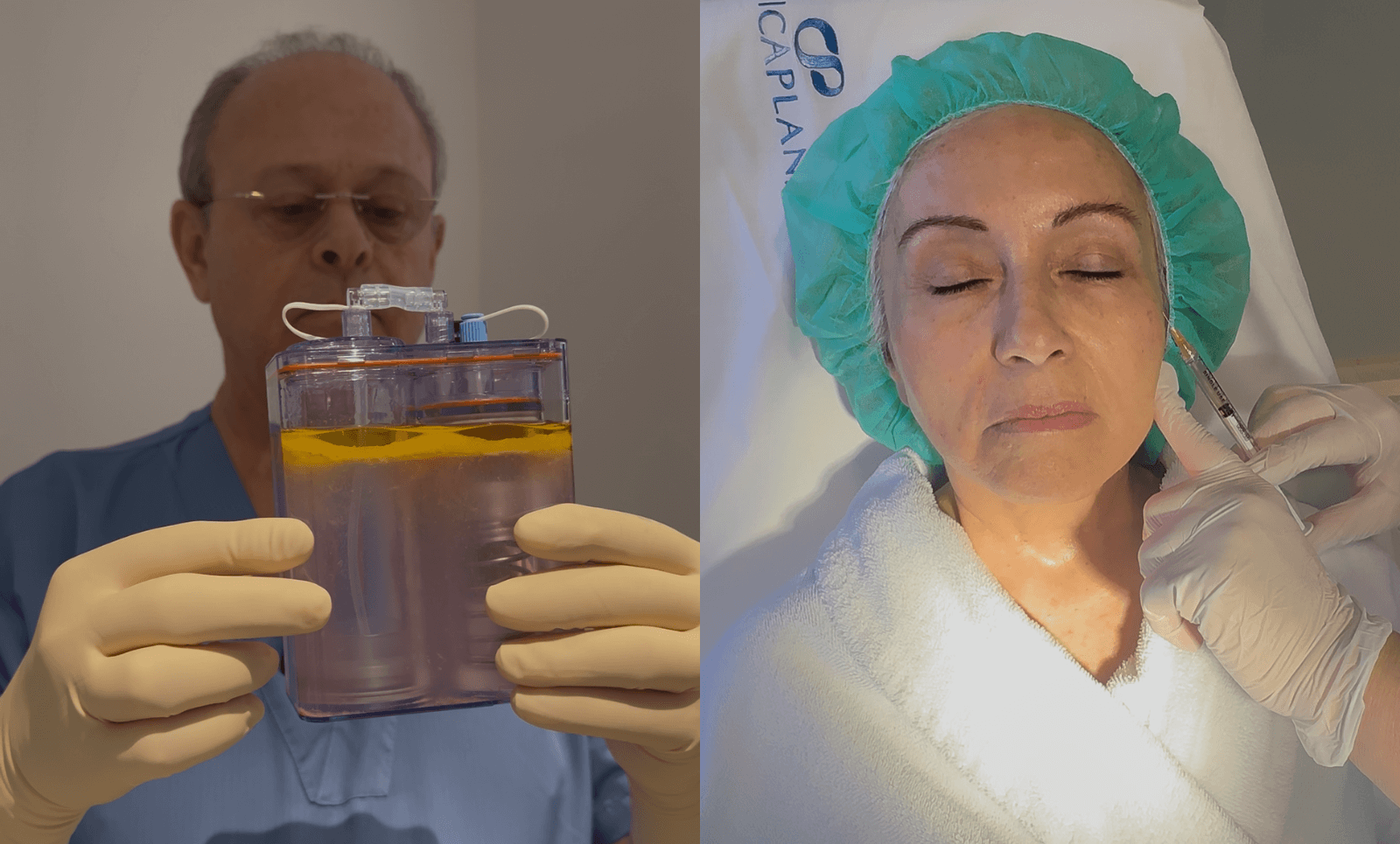
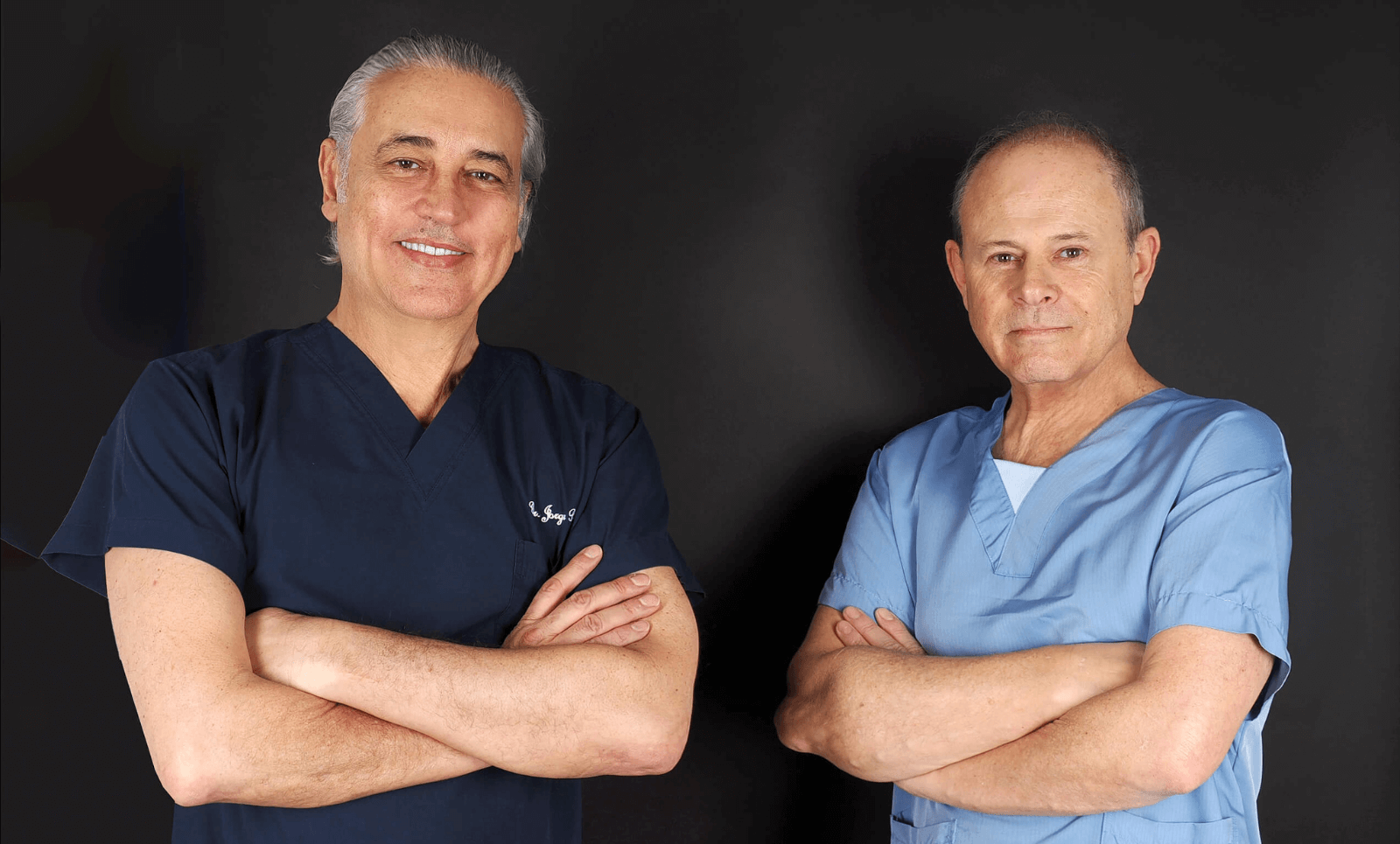
¿Qué es la medicina regenerativa?
Iniciamos una serie de conversaciones entre el Dr. Jorge Planas, cirujano plástico y director médico de Clínica Planas, y el Dr. Miguel Garber, experto en medicina regenerativa. Exploraremos cómo esta innovadora disciplina está revolucionando la medicina tradicional al potenciar los procesos naturales de reparación del cuerpo, mejorando la calidad de vida y abriendo nuevas posibilidades [...] -

Estroma vascular: la clave regenerativa oculta en tu grasa corporal.
En este artículo presentamos una nueva charla entre el Dr. Jorge Planas, cirujano plástico y director médico de Clínica Planas, y el Dr. Miguel Garber, especialista en medicina regenerativa. A través de esta serie, exploramos en profundidad las múltiples posibilidades que ofrece esta especialidad, tanto en el ámbito terapéutico como en el estético. DR. JORGE [...] -
Cómo la medicina regenerativa utiliza moléculas bioactivas para mejorar tu calidad de vida.
La medicina regenerativa busca frenar el envejecimiento, no solo desde una perspectiva estética, sino también de salud y calidad de vida.
Plasma exchange, longevity, and toxin elimination
There is currently growing scientific interest in studying aging, the changes that occur in plasma with age, and human exposure to various environmental pollutants.
The indications for the procedure should be determined based on the diagnosis and individual medical evaluation.
Expert opinion
Regenerative Medicine - Hyperbaric Medicine
Dr. Miguel Garber
Former president of the Spanish Society for Regenerative Medicine and Cell Therapy. A pioneer in the use of stem cells and holder of a Master's degree in Hyperbaric Medicine, he practises medicine in the United States and Spain. With over 15 years' experience in the treatment of ageing and diseases associated with biological medicine.
- Regenerative Medicine
- Hyperbaric Medicine
- Cardiology
Discover the paper "Regenerative Longevity Medicine: Hyperbaric Oxygen Therapy as a Cornerstone for Healthy Aging", published in Stem Cell & Regenerative Medicine (2025). You can read it here.
Discover the paper "Hyperbaric Oxygen Therapy Decreases Chronic Low-Grade Inflammation, Evaluated by suPAR Test" published in European Journal of Respiratory Medicine (2024). You can read it here.
Benefits and Treatment Outcomes
The results of plasma exchange depend primarily on the established therapeutic goal.
In conditions where it is indicated, the procedure allows for the temporary reduction of certain plasma components involved in the pathological process.
How long does a plasmapheresis session last?
The duration of a session varies.
It depends on factors such as the estimated plasma volume, the volume to be exchanged, vascular access, the patient’s characteristics, and the protocol used.
Before the procedure, the medical team can provide an estimate tailored to the planned treatment.
How much does a plasmapheresis session cost?
The cost of plasma exchange depends on the prescribed protocol and the specific characteristics of each patient.
For this reason, an initial medical evaluation is necessary before a final quote can be provided.
As a reference, the approximate cost of a plasma exchange session at Clínica Planas Barcelona is €4,800, and the combination of plasma exchange and ozone therapy is €4,950.
The final quote is confirmed once the evaluation has been completed and the corresponding treatment has been determined.
Medical assessment for plasma exchange
The decision to administer plasma replacement must always be based on an individualised medical assessment.
Our team reviews the diagnosis, clinical history, available test results and the scientific evidence relevant to each situation to determine whether there is a valid indication and to explain to the patient the objectives, alternatives and potential risks of the procedure.
F.A.Q.
-
How long does a plasmapheresis session last?
Session duration depends on individual factors such as weight, height, and hematocrit. In general, each session lasts between 1 hour 10 minutes and 1 hour 40 minutes, with a maximum of approximately 2 hours. Recovery is immediate: you can resume your normal activities the same day without rest or special care.
Recovery is immediate: you can resume your normal activities the same day without rest or special care. -
How much does a plasmapheresis session cost?
The cost of a plasmapheresis session may vary depending on the personalized treatment plan recommended by the medical team and whether it is combined with other regenerative medicine therapies.
At Clínica Planas, we follow a fully individualized approach, so the final cost is confirmed after the initial medical assessment.
As a general reference, the indicative price of one plasmapheresis session at Clínica Planas Barcelona is €4,500.
Our team will be happy to assist you with personalized guidance or answer any questions. -
What can I expect after plasmapheresis?
After treatment, the body begins a progressive improvement process driven by two main effects:
● Reduction of chronic low-grade inflammation, essential for metabolic health and longevity
● Elimination of toxins and pro-inflammatory substances from the plasma
Results are noticeable in the medium to long term, with improved well-being, increased energy, and better tolerance to daily stress and fatigue. -
How long do the effects of plasmapheresis last?
The duration of benefits largely depends on the patient’s lifestyle. Smoking, excessive alcohol consumption, sedentary habits, and poor nutrition can shorten the effects.
In general, it is recommended to undergo one plasmapheresis session per year to maintain optimal detoxification and balanced health.