What does lipedema surgery consist of?
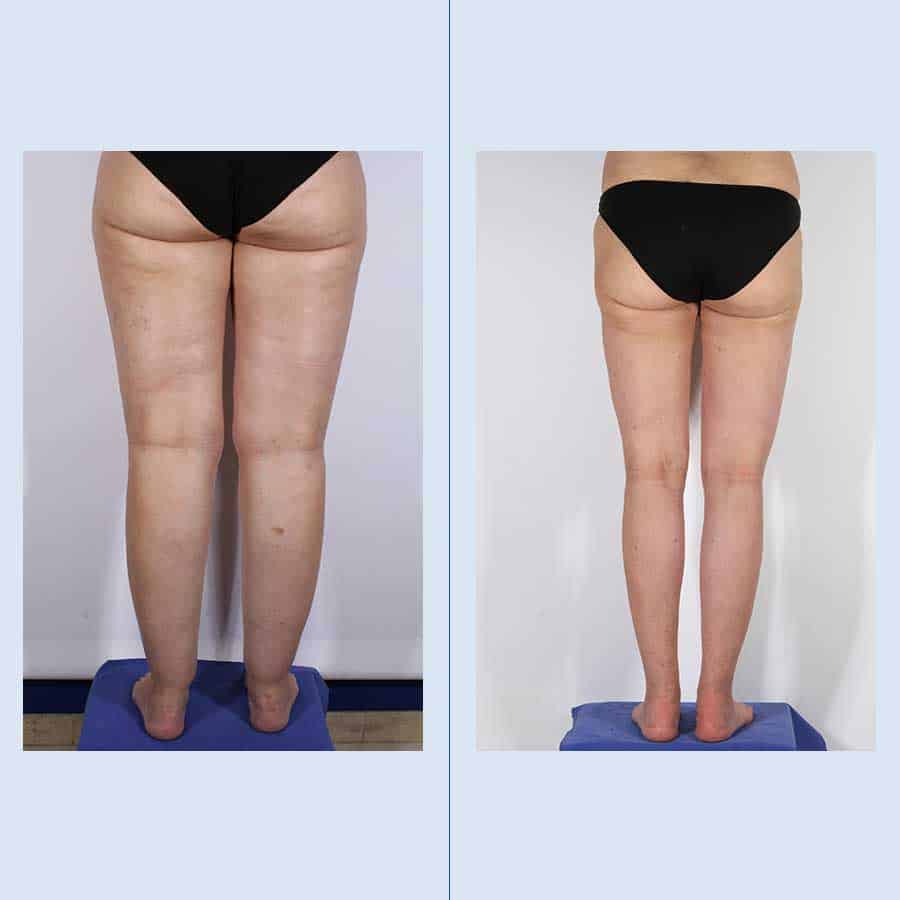
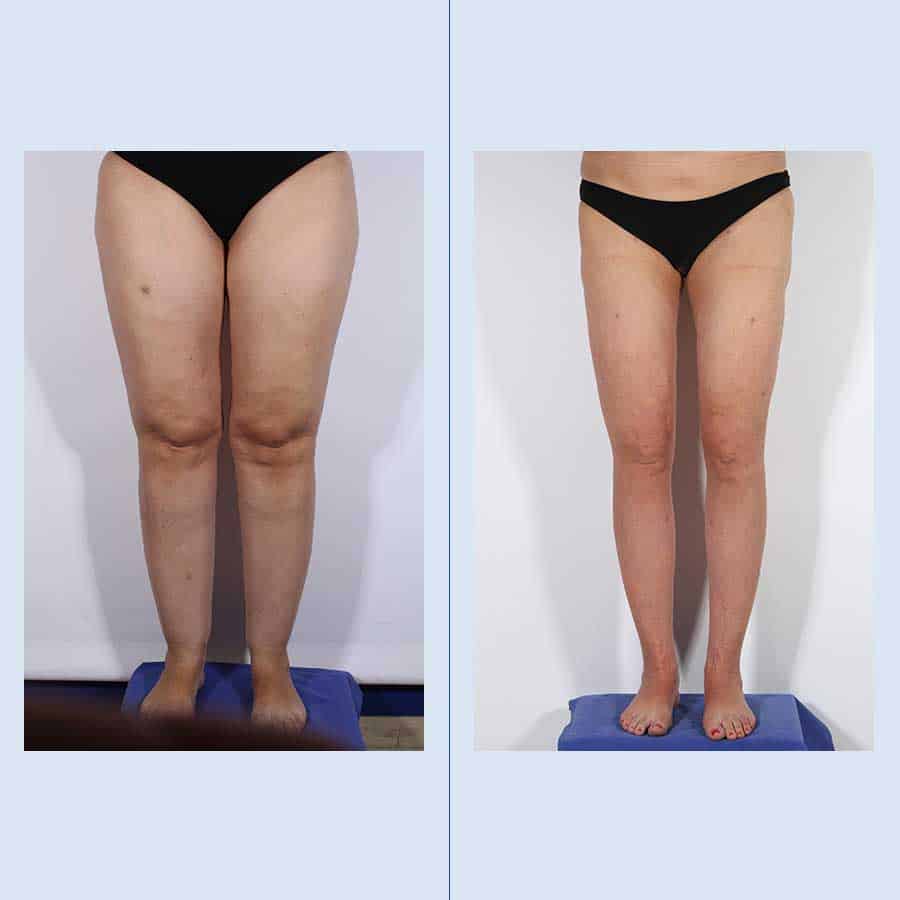
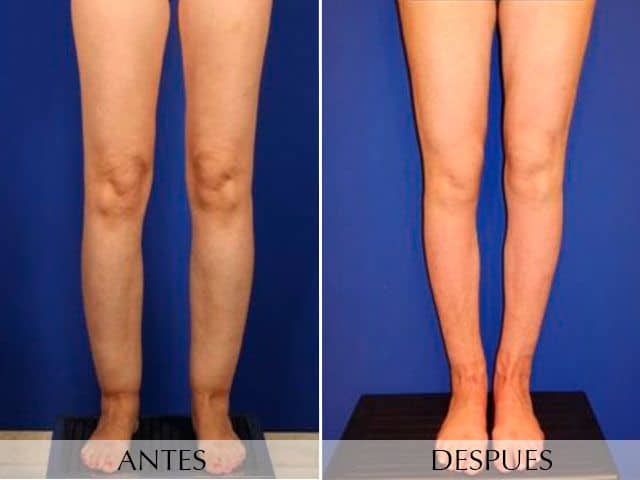
Lipedema surgery consists of removing all the fatty hypertrophy without altering the lymphatic system or the superficial venous system, achieving that the skin that is above all that excess volume retracts properly. The objective is to accomplish a good shape and an optimal functional result.
Book an
appointment
CLÍNICA PLANAS' DATA PROTECTION INFORMATION CLICK HERE
Purposes: To respond to your requests and to send you commercial information about our products and services, including via electronic means. Rights: At any time, you can withdraw your consent, access, rectify, delete your data and exercise other rights at doctor@clinicaplanas.com. Additional Information: Privacy Policy.


Our Patients’
Reviews
 Bahija Sehetal
05/08/2026
Bahija Sehetal
05/08/2026

 Ana Figuereo Caballero
01/08/2023
Ana Figuereo Caballero
01/08/2023
 Raquel Pacheco
12/08/2026
Raquel Pacheco
12/08/2026
 Robbie Berman
11/08/2026
Robbie Berman
11/08/2026
Causes of lipedema
The causes of lipedema are still not fully clear. What we do know at this moment is that it is neither linked to diet nor lack of exercise. Genetic factors as well as inflammatory triggers have been suggested.
There is a theory that explains lipedema is a human evolutionary remnant. A fat reserve for energy for when humans only ate twice a week and fertile women had to maintain their energy reserve for the breastfeeding and pregnancy periods.
Weight gain
Naturally, if we increase the fat and energy intake in the body, this natural energy reserve that is the body fat, will also grow.
Causas hormonales
We can say that the causes of lipedema are hormonal, as it exclusively affects women. Therefore, it is linked to all those hormonal changes related to estrogen.

What are the different stages of lipedema?
Practically speaking, lipedema is classified into three levels, based on the increase in fat volume.
1. Stage 1 lipedema is that in which the patient starts to feel notable pain and heaviness, especially in specific areas like the popliteal fossa, although visually the legs appear normal with some slight extra volume.
2. Stage 2 lipedema is when we can clearly see there is a fat accumulation that breaks with the body’s natural proportions. Sometimes, we see ankles that, starting from the foot upwards, show a demarcation similar to the pajama cuffs that compress at bottom with significant volume in the legs or thighs.
3. Stage 3 refers to more advanced lipedemas, where the mobility and movement of those legs is hindered.
Apart from this, lipedemas can be distally predominant or proximally predominant. This means that in some cases one can clearly see legs like columns, straight from the thighs until the ankles, and in other cases the ankles look normal and it is the upper thigh area that shows significant volume. This makes the woman’s body resemble a pyramid shape.
Preoperative phase
The preoperative process is more important than it seems. In many places, this type of surgery is taken lightly, and they forget that a thorough study of the lymphatic system must be carried out, regardless of it being the most fragile system in our body at the vascular level.
We must consider that sometimes lipedemas are not pure, but rather are misdiagnosed lymphedemas or lympholipedemas. Therefore, performing lipedema surgery without this study will worsen the patient's clinical condition.
Postoperative phase
This surgery does not have a very complex postoperative period, but one must keep in mind that, since large volumes of body fat and bodily fluids are removed, we must be cautious as there are times when there can be disturbances in the hydroelectrolytic balance. This can result in blood loss or ion loss, therefore we must not underestimate this postoperative care.
The patients are required to stay in a medical facility for at least 48 hours, in order for them to go back home with maximum safety and minimal risk of serious complications, such as pulmonary thromboembolism.

Lipedema Surgery Before and after
F.A.Q.
-
How to know if I have lipedema?
The diagnosis of lipedema is clinical and must be conducted by a specialist. If you have legs that despite tremendous efforts to lose weight with diet and exercise do not reduce in volume and are accompanied by pain, you should go to an accredited center like Clínica Planas so that a plastic surgeon trained in this field can provide an adequate diagnosis
-
How do we diagnose lipedema?
We perform a clinical diagnosis, which is supported by such imaging tests: lymphoscintigraphy and a Doppler ultrasound to evaluate the condition of the venous system. In case of doubt where we suspect a lymphatic component, a direct lymphography using indocyanine green is carried out
-
What is the difference between lipedema and lymphedema?
The difference is both easy and straightforward yet complex. Lipedema is a lipodystrophy –a disorder of the fat tissue (alteración del sistema lipídico de la grasa)– while lymphedema is a dysfunction of the lymphatic system. Anatomically, these structures are closely related, since the lymphatic system runs through the subcutaneous fat. Therefore, it is common for the lymphatic system to be affected by advanced chronic lipedema, or vice versa, when the lymphatic system has been damaged for an extended period, causing fatty hypertrophy.
This is why it is so important to have training in both fields, in order to be able to correctly diagnose and treat the patients. -
Talking about the crossover of knowledge between lipedema and lymphedema
A few years ago, plastic surgeons only performed cosmetic liposuctions, and never dared to treat an entire leg because they did not have the sufficient anatomical knowledge nor proper technology. It was through the treatment of lymphedema that they started developing lipedema techniques. Why? Because we know how the lymphatic system is, we know how to operate it without damaging this system, and we know how to diagnose it correctly: studying both lipid and lymphatic disorders.
This is why performing this type of procedure being a plastic surgeon without specific training or a general surgeon puts the patients at risk, not only by not being able to help them but even worsening their condition. -
Can lipedema be eliminated without surgery?
Unfortunately, no. This is yet another major deception in medicine or pseudomedicine, taking advantage of the patients desperation resulting from years of frustration and lack of understanding. These people have tried countless diets and have not lost volume if their legs nor have seen their well being improved; even the people around them question whether or not they are truly making an effort.
Due to this, patients start to turn towards centers that promise them mesotherapy techniques and magical treatments that dissolve fat. We all know, unfortunately, that these treatmentsare largely ineffective, if not entirely ineffective. In some cases, substances are used that actually worsen the quality of subcutaneous tissue creating residual fibrosis, which will hinder future surgery. -
What is the difference between lipedema and cellulite?
Cellulite is a tem that is often misused both by the cosmetic industry and in popular knowledge, that use it to refer to that orange peel skin or skin where the underlying fat causes uneven bumps. In fact, this is not cellulite, but a type of subcutaneous fat that most women have in certain parts of their body from a certain age.
Cellulite is actually an inflammation of the subcutaneous tissue caused when there is a serious infection problem or lymphatic system infection.
Therefore, the cellulite most people know is no more than a non-pathological condition that appears in women with or without lipedema, in certain parts of the body like the bottocks, something that all women will have after a certain age. The accumulation of body fat is inherent to the female body, with nature giving every woman fat reserves to help them fulfil one of life’s most vital functions, reproduction. -
When does lipedema appear?
Lipedema usually appears when hormonal changes begin at menarche. In other words, when a girl transitions into womanhood and starts producing a higher level of estrogen. It often emerges in early ages, between fourteen to sixteen years old.
It is evident that at that age, especially if the patient is thin, it may not be noticeable and it will become more apparent in their twenties., when those hormonal changes are more stabilized or when they seem to be reactivated, for example after pregnancy or in a significant weight change.
Ultimately, lipedema is specific to women, not children, and it is a change inherent to the structure of 11% of women (in the case of Caucasian women). -
Can you have lipedema in your arms?
Of course, arm lipedema also exists. Around 45% of patients who suffer from lipedema in their legs also have it in their arms. It is less obvious because it is smaller in dimension, but in the long-run –especially in more advanced ages– can be just as uncomfortable as leg lipedema.
This is because in the arm region –above the elbow– a large amount of tissue builds up, and with gravity it begins to sag. We then see patients who look like they have wings. This causes discomfort when it comes to moving or getting dressed, and can even lead to fungal problems in the armpit area.
It gives a vert aged appearance to the arms that affects those who suffer from it. Therefore, it is both in the arms and legs that the patient eventually loses functional capacity.Yes, absolutely
Related treatments
-

Lymphedema surgery
Lymphedema microsurgery can correct lymphedema, a side effect that occurs in 20% of patients who have undergone a mastectomy. -

Advanced Physiotherapy of Lymphedema
New system of advanced physiotherapy to treat lymphedema from a non-surgical and conservative point of view -

Limpehedema Early Detection Program
Early detection, guarantee of effective lymphedema treatment
Related
articles
-

Clínica Planas: Center of Excellence
En Clínica Planas hemos recibido el sello americano Center of Excellence de Lymphatic Education & Research Network. -

Cirugía de lipedema y equilibrio corporal
El lipedema no es simplemente una cuestión estética; es una enfermedad funcional con impacto profundo en la vida de las pacientes. -
Liposucción Linfática Selectiva. Una cirugía única para tratar el Lipedema.
El lipedema es una enfermedad progresiva del tejido graso que afecta alrededor del 11% de las mujeres de nuestra población.