Regenerative longevity begins with one question: where does our body truly stand? Not where we think it stands, not how we subjectively feel, but where the biomarkers that determine how every system, every tissue, and every repair mechanism is functioning actually are.
The goal of the comprehensive medical assessment at Clínica Planas is to answer this question in order to accurately establish each patient's starting point.
Book an
appointment
CLÍNICA PLANAS' DATA PROTECTION INFORMATION CLICK HERE
Purposes: To respond to your requests and to send you commercial information about our products and services, including via electronic means. Rights: At any time, you can withdraw your consent, access, rectify, delete your data and exercise other rights at doctor@clinicaplanas.com. Additional Information: Privacy Policy.
Our Patients’
Reviews
 Raquel Pacheco
12/08/2026
Raquel Pacheco
12/08/2026

 Robbie Berman
11/08/2026
Robbie Berman
11/08/2026
 M.Claustre Besora Canal
02/07/2026
M.Claustre Besora Canal
02/07/2026
 Cristina López sole
09/06/2026
Cristina López sole
09/06/2026
What Does Our Comprehensive Medical Assessment Involve?
There is a fundamental difference between feeling well and having a body that is in optimal condition to regenerate. Regenerative medicine treatments act on complex biological systems—cellular repair, inflammatory response, metabolic function, and hormonal balance. Intervening without understanding the body's current state means working on unknown ground.
For this reason, before prescribing any treatment protocol, we perform a thorough evaluation. Not with a basic conventional blood panel, but with an in-depth assessment that covers more than one hundred biomarkers and combines laboratory testing, functional diagnostic technology, and a comprehensive medical history.
The objective is to identify the processes that are silently driving the body in this direction:
- Chronic low-grade inflammation
- Subclinical metabolic dysfunction
- Early vascular deterioration
The assessment is structured around four key pillars which, together, provide a complete picture of each individual's biological status.
Systemic Assessment
The starting point is a high-resolution blood analysis, accompanied by a comprehensive medical history. This is not a conventional health check-up: we evaluate between 110 and 125 biomarkers, including kidney and liver function, cardiovascular profile, hormonal status—cortisol, adrenaline, noradrenaline, serotonin, dopamine—inflammatory markers, and parameters that are rarely included in routine laboratory testing.
The assessment is complemented by Heart Rate Variability (HRV) measurement, a benchmark indicator in the evaluation of the autonomic nervous system with extensive clinical validation.
Using a non-invasive recording, this test reveals the body's ability to adapt to both physiological and external demands, providing precise data on recovery quality, stress response, and cardiovascular system performance.
The information obtained guides the design of targeted interventions aimed at restoring balance to the autonomic nervous system while improving both sleep quality and available energy levels.
We complement this evaluation by measuring a biomarker of chronic low-grade inflammation. When elevated, this marker indicates that the body is following a biological pathway that, if left uncorrected, promotes the development of degenerative diseases. It is an early, subtle indicator with significant predictive value.
Metabolic Assessment
Body composition is one of the parameters most frequently underestimated in conventional medicine. An individual with an apparently healthy body weight may still present excess visceral fat, insufficient muscle mass, or hydration levels that compromise cellular function.
For this assessment, we use advanced bioelectrical impedance analysis, which accurately measures the distribution of fat mass, muscle mass, intracellular and extracellular water, and the overall status of tissue composition. These data are not merely supplementary—they are essential for understanding how the metabolism is functioning and determining which intervention is most appropriate for each individual.
Cellular Assessment
As part of this cellular assessment, we use the AGE Reader, a non-invasive device that measures Advanced Glycation End Products (AGEs).
Glycation is one of the most significant processes involved in biological ageing. When proteins within the body are altered by excess glucose, they produce compounds that trigger and sustain chronic inflammation.
Elevated AGE levels in an individual whose conventional laboratory results fall within normal ranges are an unmistakable sign that the body is following an inflammatory pathway that has not yet become evident through traditional biomarkers—but will eventually do so over time. Detecting this process at this stage allows intervention before it becomes established.
This biomarker is particularly valuable because it reflects the cumulative inflammatory burden over time and enables an accurate estimation of the biological age of the body's immune defense system.

Tissue Assessment
VISIA 3D is the facial imaging system we use at Clínica Planas to evaluate your skin with a level of precision that goes far beyond conventional visual examination.
With a single image capture, the technology analyzes pigmentation, wrinkles, skin texture, pores, sun damage, vascular redness, and hyperpigmentation—both on the surface and within deeper layers of the skin—and compares these findings against the world's largest skin database.
This provides an objective, quantified, and personalized assessment, allowing us to design the treatment plan that best matches your actual skin condition rather than an estimation.
State-of-the-Art Technology
The accuracy of any assessment depends directly on the quality of the tools used to perform it. At Clínica Planas, we use cutting-edge clinical technology that provides high-resolution data on biological systems that conventional medicine does not typically evaluate in an integrated way.
HRV: Heart Rate Variability
Heart Rate Variability analysis offers one of the most accurate windows into the condition of the autonomic nervous system. It measures the balance between the sympathetic and parasympathetic branches, two systems responsible for regulating stress response, recovery, inflammation, and the body's adaptive capacity. A sustained imbalance between these systems, even in the absence of obvious symptoms, has direct consequences for cardiovascular, metabolic, and immune health. The heart rate variability assessment is complemented by pulse wave analysis, which provides information about arterial health and endothelial function.

Advanced Bioelectrical Impedance Analysis
Advanced bioelectrical impedance analysis goes beyond measuring body weight or BMI. It provides a precise breakdown of body composition—including muscle mass, total body fat, visceral fat, intracellular and extracellular hydration—allowing us to identify imbalances that are not externally visible but directly influence the body's response to regenerative treatments.
AGE Reader
The AGE Reader non-invasively measures the accumulation of Advanced Glycation End Products (AGEs) within the body's tissues. Through the skin, without the need for blood sampling, this device provides valuable information about the level of accumulated chronic inflammation, making it one of the most reliable biomarkers of true biological ageing.
VISIA Skin Analysis
The VISIA system performs a multidimensional photographic analysis of the skin, enabling a precise evaluation of skin ageing, texture, pigmentation, pore activity, and underlying ultraviolet damage. The skin is not merely an aesthetic concern—it reflects the body's overall biological condition and serves as an indicator of systemic tissue ageing.
New Regenerative Medicine Treatments
Following the comprehensive assessment, a personalized treatment protocol is developed. There is no standard treatment; rather, there is a combination of interventions—a tailored blend, in the truest sense of the term—designed to match each individual's unique biological profile at every stage of life.
Therapeutic Plasma Exchange
Therapeutic plasma exchange is a medical apheresis procedure in which a portion of the circulating plasma is removed and replaced. In certain clinical contexts, this technique can remove plasma components involved in specific pathological processes. Its indication is not universal: it requires an individualized medical assessment to determine whether the procedure is clinically justified for each patient.
Regenerative Cell Therapy
Regenerative cell therapy targets the body's repair and renewal mechanisms at the cellular level, stimulating processes that naturally slow down or become impaired with age. Its application is indicated and designed according to the cellular ageing biomarkers identified during the assessment.
Hyperbaric Oxygen Therapy
Hyperbaric oxygen therapy creates an environment with a high concentration of oxygen that promotes tissue regeneration, reduces inflammation, and enhances cellular recovery. Within a longevity protocol, it acts as a powerful enhancer of the other regenerative treatments.
Ozone Therapy
Ozone therapy uses medical-grade ozone to stimulate the body's antioxidant mechanisms, improve tissue oxygenation, and modulate the inflammatory response. It is a treatment with a broad therapeutic profile that is incorporated into the protocol according to each individual's specific biological needs.
Cytokines
Cytokines are signaling molecules that regulate communication between immune system cells and coordinate the body's inflammatory and regenerative responses. Their therapeutic use in regenerative medicine makes it possible to modulate chronic inflammatory processes and stimulate repair mechanisms that the body no longer activates spontaneously with the same efficiency.
NAD+ and Hyperbaric Oxygen Therapy
The combined NAD+ and hyperbaric oxygen therapy is designed to optimize cellular energy production and enhance the body's natural repair mechanisms.
At Clínica Planas, treatment is personalized after laboratory assessment of NAD+ levels, administering supplementation only when a proven deficiency exists. This strategy may help improve vitality, accelerate recovery following injury or illness, reduce brain fog, and optimize cellular performance. It is particularly recommended for individuals experiencing persistent fatigue, slow recovery, or conditions associated with reduced cellular energy production, always within an individualized, evidence-based medical protocol.
Personalized IV Treatments
At Clínica Planas, personalized intravenous therapies form part of a comprehensive Regenerative Medicine approach focused on optimizing cellular health and correcting imbalances identified through advanced medical evaluation and laboratory analysis.
Each formulation is individually designed, combining vitamins, minerals, amino acids, antioxidants, and other micronutrients according to each patient's specific needs.
Monocyte Therapy
At Clínica Planas, monocyte therapy is a Regenerative Medicine treatment that uses the patient's own reparative cells to promote the regeneration of damaged tissues.
Using plasma exchange technology, monocytes—together with other cells involved in the regenerative response—are isolated from the patient's blood and administered directly to the area requiring treatment. Their function is to create an optimal biological environment that enables stem cells to coordinate tissue repair, regeneration, and controlled inflammation more effectively.
Because it is an autologous and personalized therapy, it harnesses the body's own natural healing mechanisms to enhance tissue recovery and can be integrated into different regenerative medicine protocols according to each patient's clinical assessment.
Bioactive Molecules
At Clínica Planas, bioactive molecule therapy harnesses the regenerative potential of proteins, peptides, growth factors, and other biological mediators obtained from the patient's own body to stimulate tissue repair.
These molecules—including exosomes and other bioactive compounds—are administered locally to activate the body's natural cellular regeneration mechanisms, promote recovery of damaged tissues, and modulate the inflammatory response. In addition to supporting tissue repair, this treatment may help reduce pain and improve the function of the treated tissue.
Each protocol is individually designed following a comprehensive medical assessment and is integrated into a personalized Regenerative Medicine strategy aimed at restoring the body's natural capacity for repair and recovery.
Related treatments
-
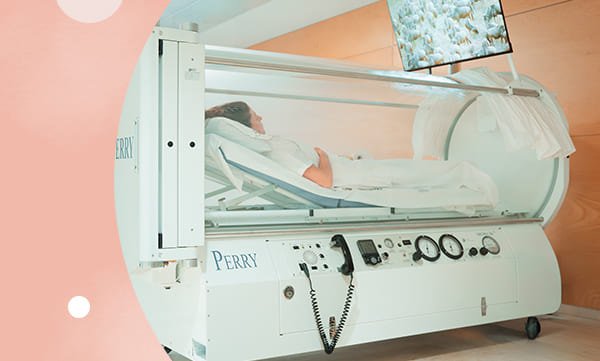
Hyperbaric Chamber and Oxygen Therapy
The hyperbaric chamber uses high-pressure oxygen to treat wounds, infections, and oedema. Discover its benefits and main therapeutic applications. -

Therapeutic plasma exchange
Plasma exchange is an advanced regenerative medicine technique that helps purify blood plasma and reduce chronic inflammation. Discover its benefits. -
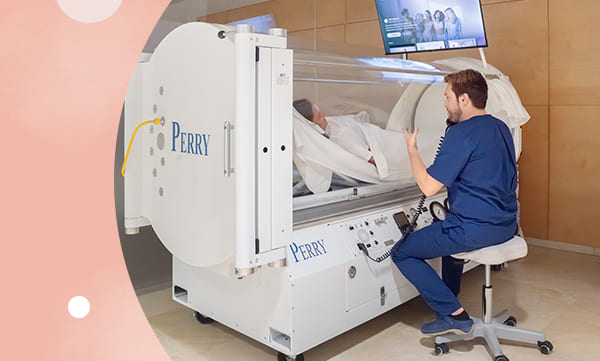
NAD+ Treatment with Hyperbaric Oxygen
Boost the benefits of NAD+ with a hyperbaric chamber. Advanced cellular treatment to restore your vitality.
Related
articles
-
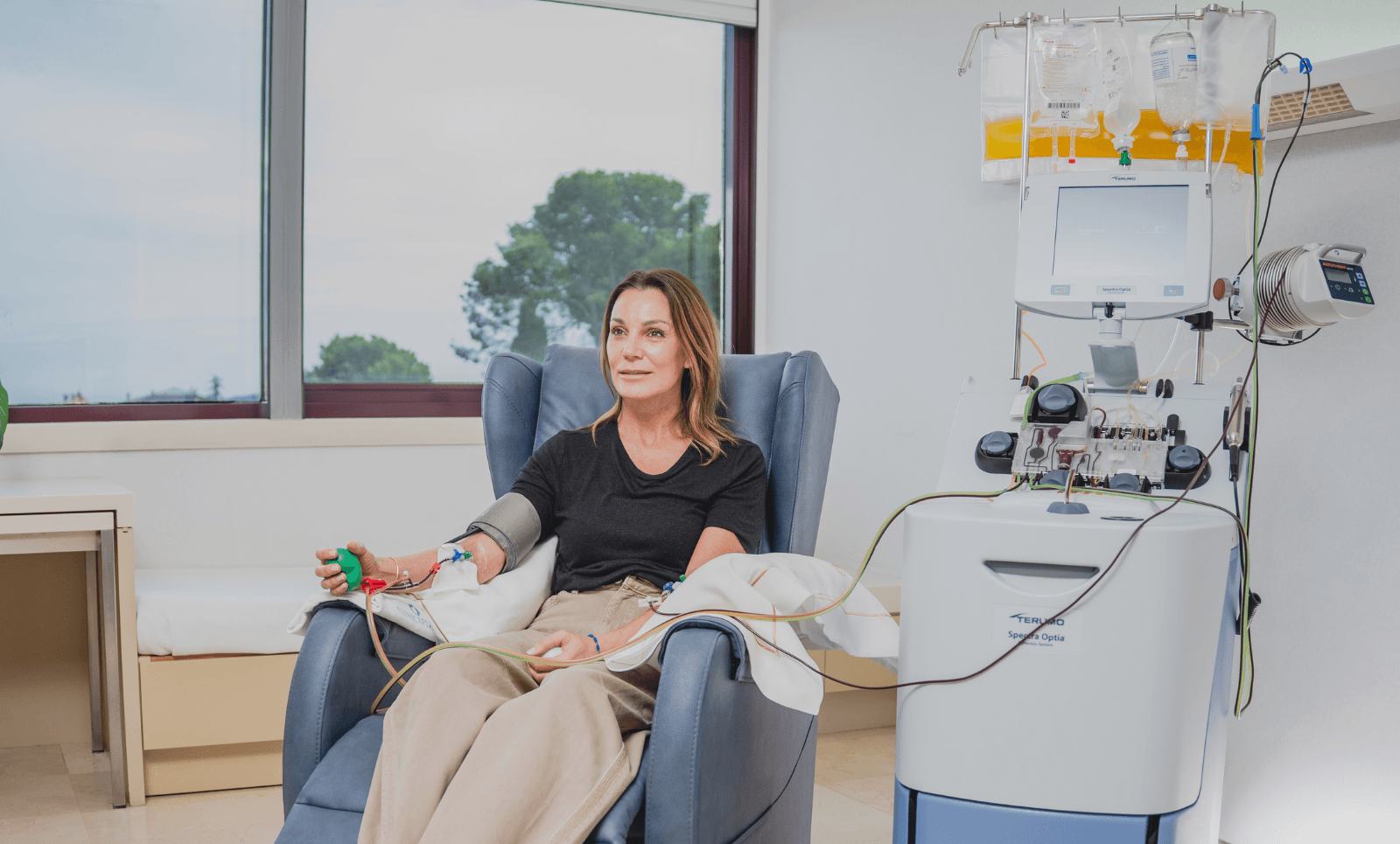
Plasma Exchange and Longevity: What Does Science Say in 2026?
Discover what current scientific evidence says about plasma exchange and how it relates to healthy longevity. -

What Is Regenerative Longevity?
Discover what regenerative longevity is, how it works, and what treatments help improve your quality of life and slow down aging. -
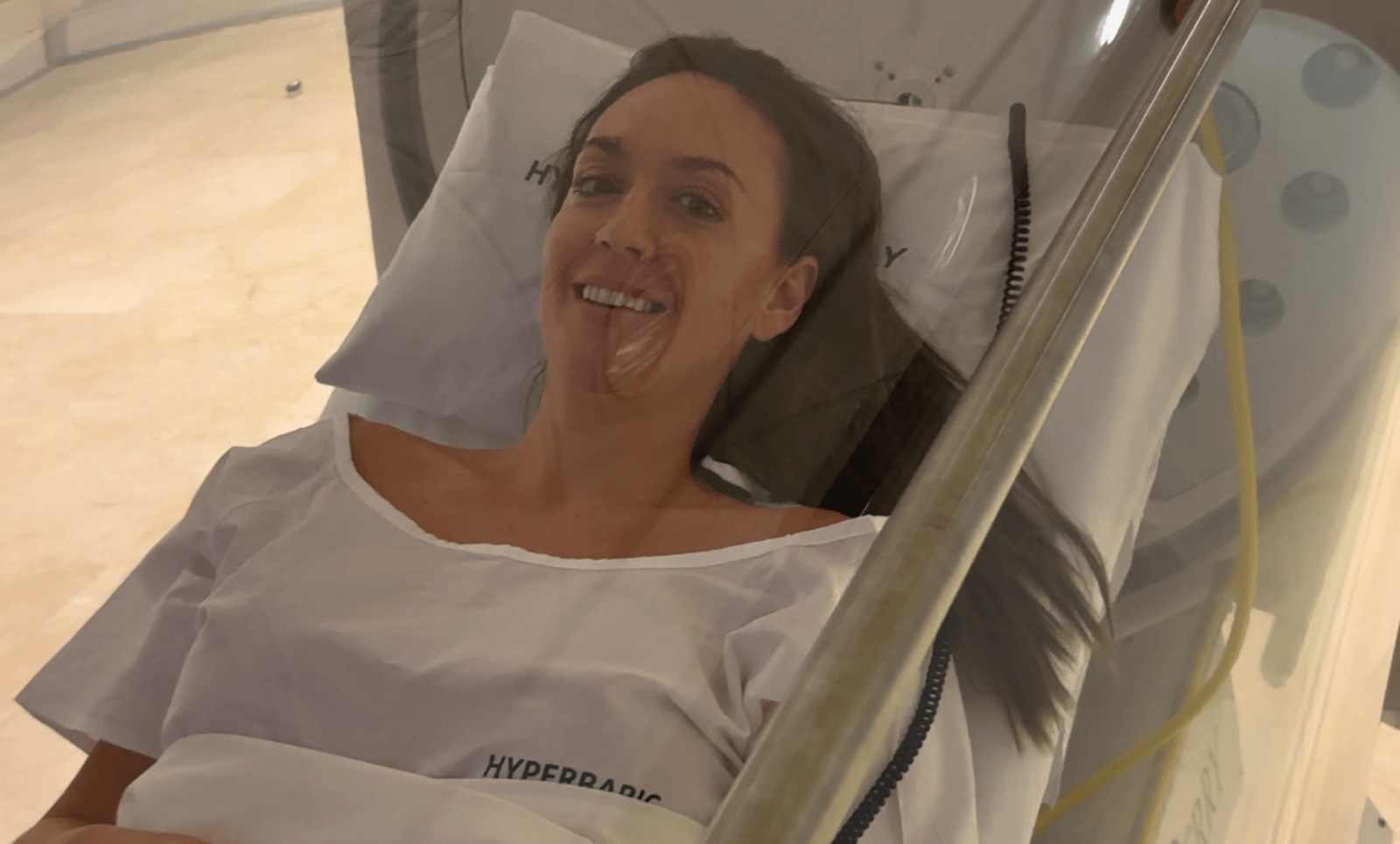
The Hyperbaric Chamber and Its Role in Regenerative Medicine
La cámara hiperbárica potencia mecanismos de reparación, modulación inmune, reducción de la inflamación y regeneración tisular.