What is monocyte treatment and what is it used for?
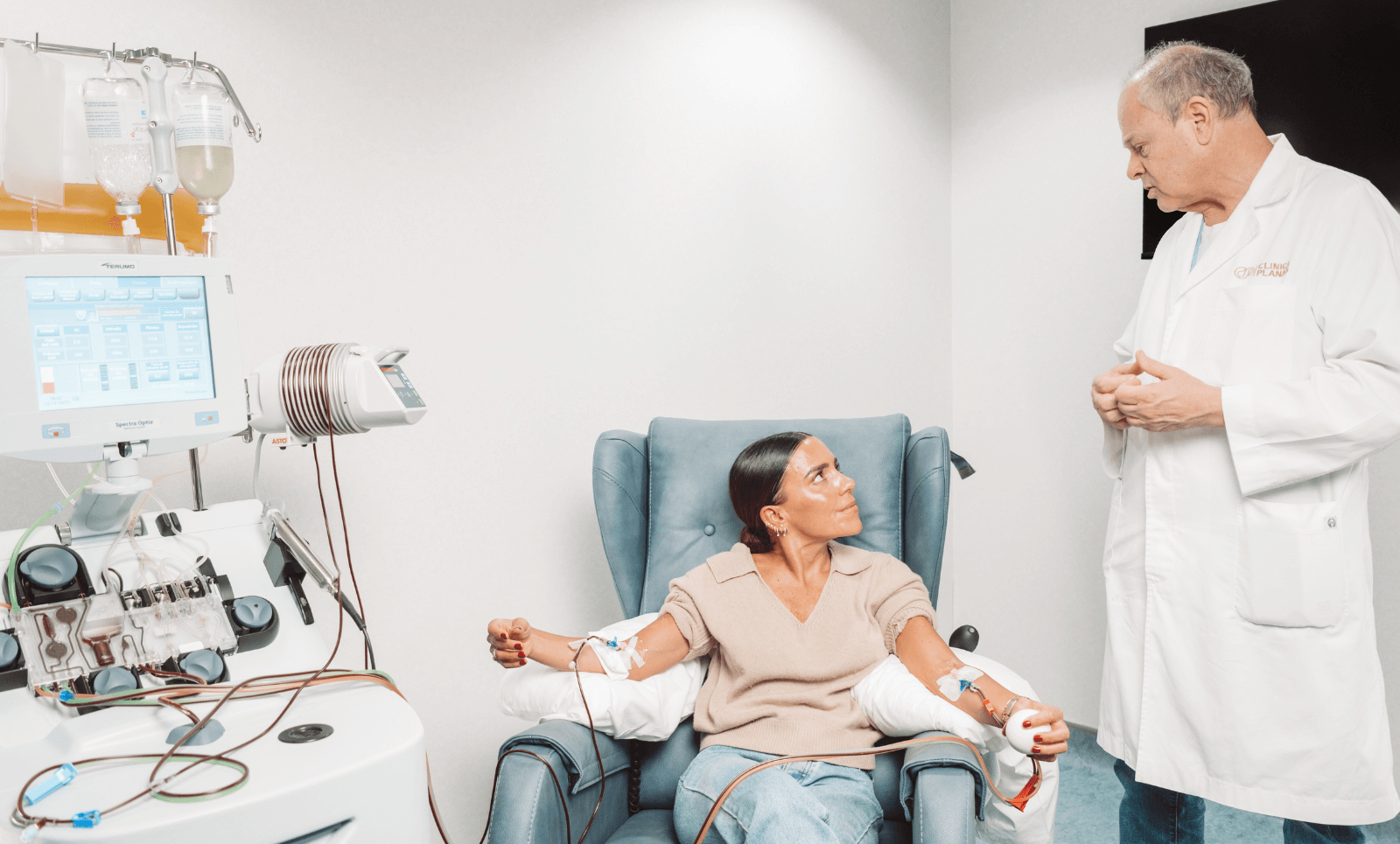
Monocyte treatment consists of extracting the patient's own white blood cells, concentrating them, and reintroducing them into areas of the body where there is inflammation or tissue damage. This process is carried out through apheresis, a technique that allows monocytes to be separated without permanently removing blood: the blood is processed and returned to the body in real time.
White blood cells—including lymphocytes, eosinophils, and monocytes—are responsible for repairing damaged tissue. That is why one of the most common questions patients ask is what monocytes are used for: their main function is to travel wherever the body needs regeneration. Instead of waiting for them to circulate naturally through the body until they reach the affected area, at Clínica Planas we concentrate them and apply them directly where they need to perform their reparative function.
Book an
appointment
CLÍNICA PLANAS' DATA PROTECTION INFORMATION CLICK HERE
Purposes: To respond to your requests and to send you commercial information about our products and services, including via electronic means. Rights: At any time, you can withdraw your consent, access, rectify, delete your data and exercise other rights at doctor@clinicaplanas.com. Additional Information: Privacy Policy.
Our Patients’
Reviews
 Raquel Pacheco
12/08/2026
Raquel Pacheco
12/08/2026

 Robbie Berman
11/08/2026
Robbie Berman
11/08/2026
 M.Claustre Besora Canal
02/07/2026
M.Claustre Besora Canal
02/07/2026
 Cristina López sole
09/06/2026
Cristina López sole
09/06/2026
What are monocytes and what is their function?
What are monocytes used for in the immune system?
To understand what monocytes are, it is helpful to place them within the immune system: they are a type of white blood cell that acts as the body's own police force.They work in coordination with the rest of the body's defensive cells to identify and destroy any foreign element that poses a threat, whether it is:
- a bacterium
- a virus
- a parasite
- an abnormal cell.
As for the function of monocytes, they protect the body against both external invaders and internal processes that could be harmful to the body itself. This surveillance and response capability is precisely what is harnessed in therapy: by concentrating these cells in the injured area, their natural defense and repair function is enhanced.
The key to the therapy: What are macrophages and how do they repair damaged tissue?
M1 and M2 macrophages: The key to inflammation and tissue regeneration
Within monocytes are macrophages, the cells that actually direct the tissue repair process. Their activity is coordinated by stem cells, which act as the leaders of the process, indicating at every stage what type of response the tissue requires.
There are two types:
- the M1 macrophage, which has an inflammatory role
- the M2 macrophage, which has an anti-inflammatory role
Both are necessary at different stages of an injury:
- first, an inflammatory phase is required
- then, an anti-inflammatory phase to complete the repair.
The balance between M1 and M2 macrophages is therefore the key to inflammation and tissue regeneration, as it is what allows damaged tissue to recover its original state.
How does our monocyte cellular therapy work?
To understand how monocyte cellular therapy works, a simple comparison can be helpful: the stem cell acts as the conductor of an orchestra, and the monocytes are the different instruments. Each one performs a specific function within a coordinated process, and together they carry out the steps necessary for tissue recovery and repair under the direction of the stem cell.
This therapy uses the same system as plasma exchange, but with one important difference: instead of performing a general plasma cleansing, the system is adjusted to specifically separate monocytes. During the session, the patient remains connected through two lines: through one, blood leaves the body and enters the apheresis system, and through the other, the processed blood returns to the body. Using two lines maintains a continuous circuit, making the process faster and keeping the patient connected to the equipment for the shortest possible time.
Monocyte treatment: Reviews and real success stories
Every patient who undergoes monocyte treatment at Clínica Planas is evaluated individually before starting therapy, as progress depends on the patient's initial condition and the area being treated. This prior assessment makes it possible to anticipate recovery times and provide an experience tailored to each case—something patients frequently highlight when sharing their reviews of monocyte treatment at Clínica Planas.
F.A.Q.
-
What conditions are monocytes used to treat?
Monocytes are primarily used to repair sports injuries, treat osteoarthritis, and support the recovery of muscle injuries by taking advantage of their natural tissue regeneration capabilities.
-
How long does it take to see results from the therapy?
The response time depends on the area being treated and the patient's overall condition, so each case is evaluated individually before treatment begins. Based on this assessment, the effects may become noticeable sooner or later, although the first changes are generally visible within the first three months.
-
What is the difference between PRP and monocytes?
The main difference lies in their cellular composition. Genuine PRP (platelet-rich plasma) is characterized by having a low number of cells and a high concentration of platelets, which are not cells but cell fragments. Monocyte treatment, on the other hand, provides complete living cells: it can be understood as PRP enriched with real cells capable of directing and carrying out the tissue repair process.
Related treatments
-
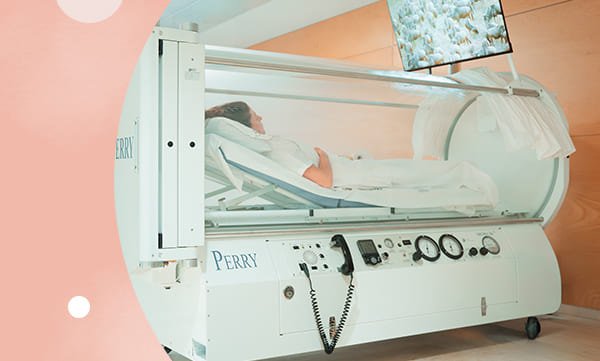
Hyperbaric Chamber and Oxygen Therapy
The hyperbaric chamber uses high-pressure oxygen to treat wounds, infections, and oedema. Discover its benefits and main therapeutic applications. -
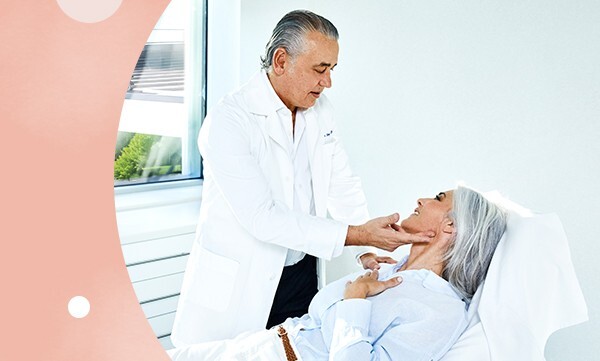
Therapeutic plasma exchange
Plasma exchange is an advanced regenerative medicine technique that helps purify blood plasma and reduce chronic inflammation. Discover its benefits. -
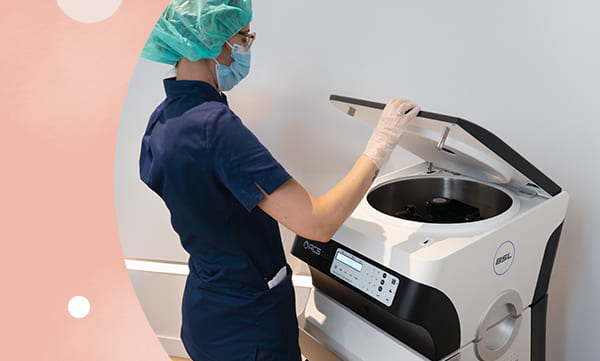
Regenerative Therapy
Joint pain or injuries? Regenerate your tissues without surgery at Clínica Planas. Unique technology in Europe for real recovery.
Related
articles
-

Exosome Therapy: What It Is and What It Is Used For
What are exosomes and how do they work? Discover how exosome therapy supports tissue regeneration, reduces inflammation. -
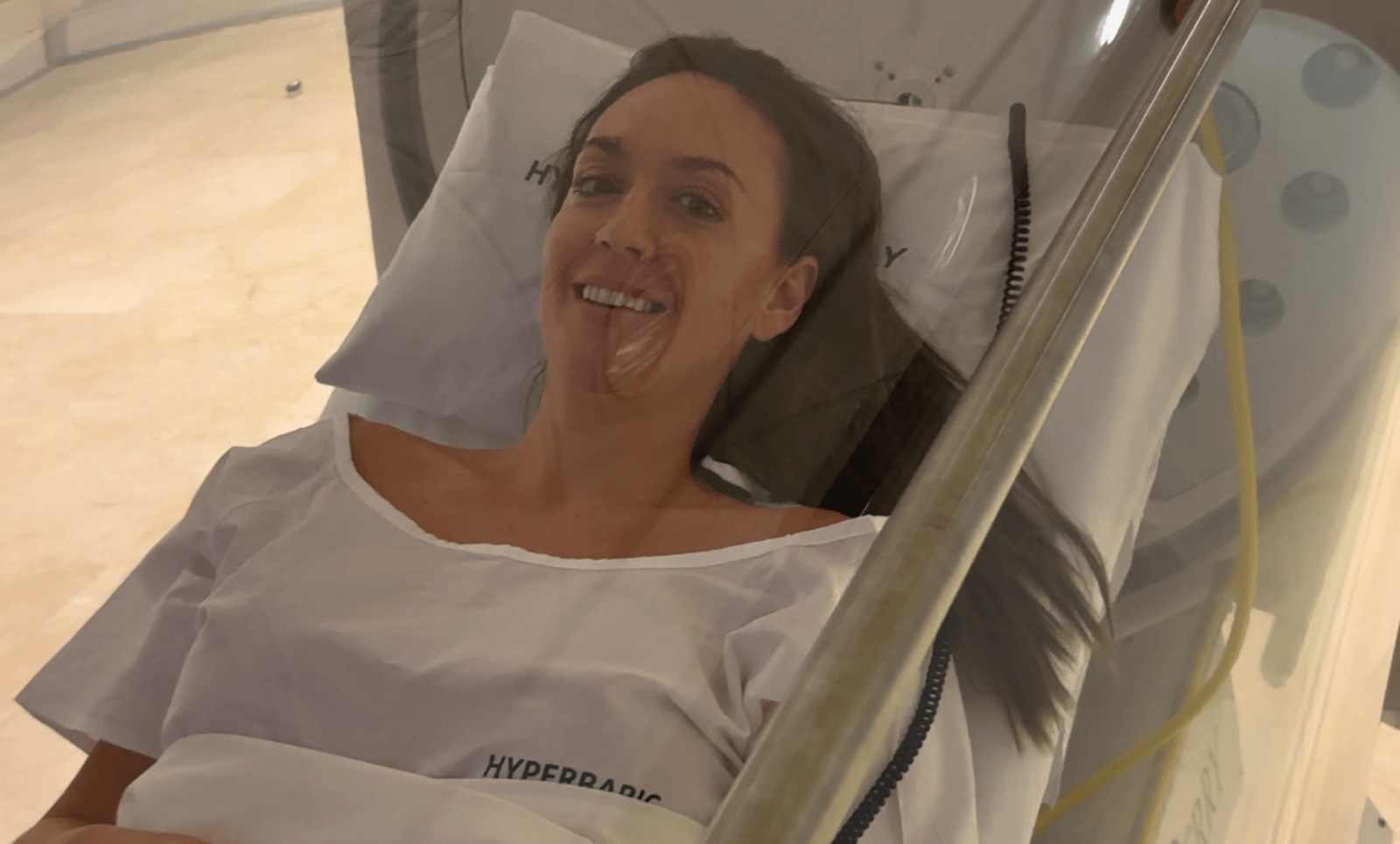
The Hyperbaric Chamber and Its Role in Regenerative Medicine
La cámara hiperbárica potencia mecanismos de reparación, modulación inmune, reducción de la inflamación y regeneración tisular. -
Tips to Boost Our Immune System
En este artículo te explicamos cómo reforzar el sistema inmunológico de manera eficaz y segura mediante nuevos hábitos.