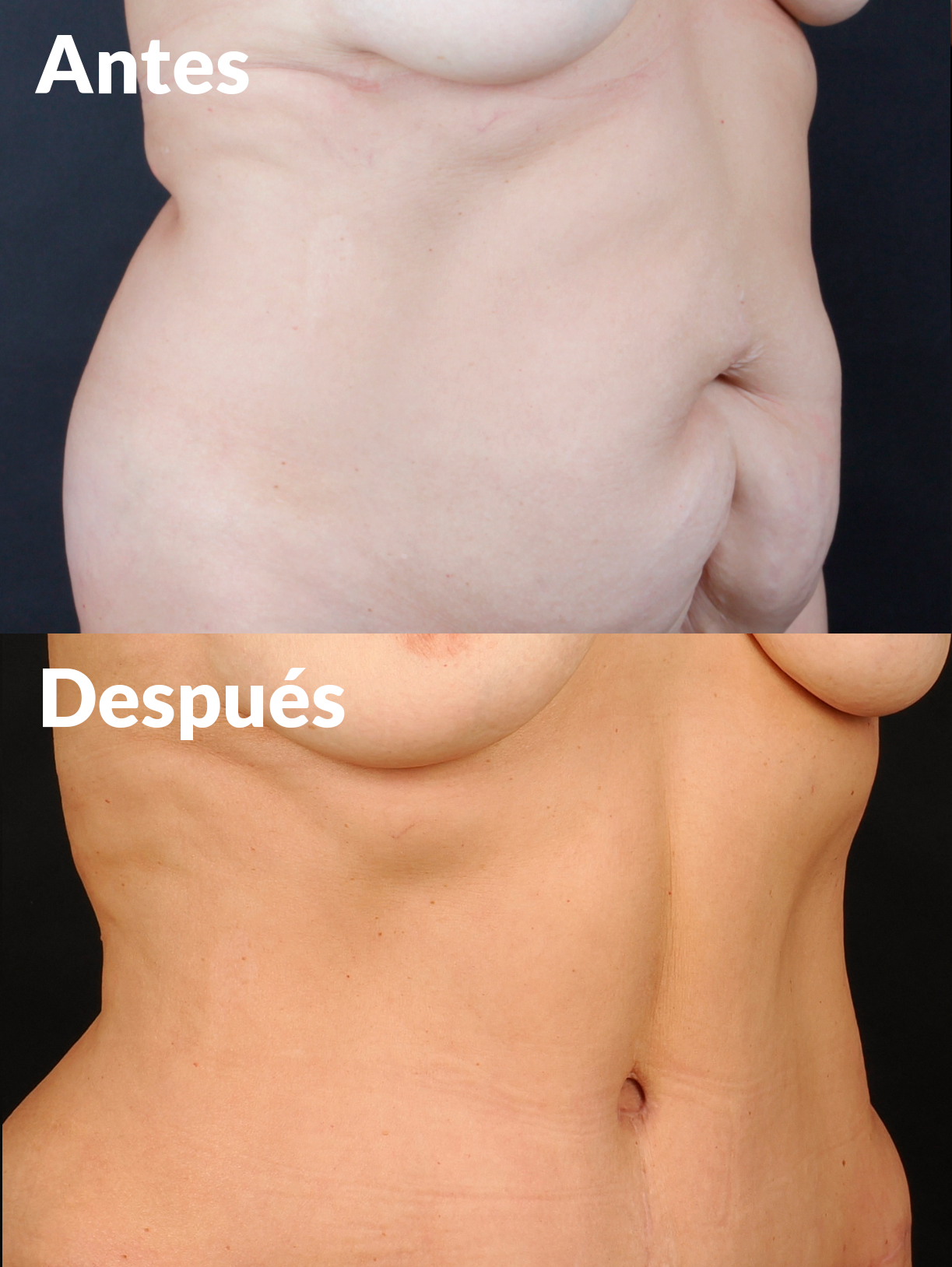
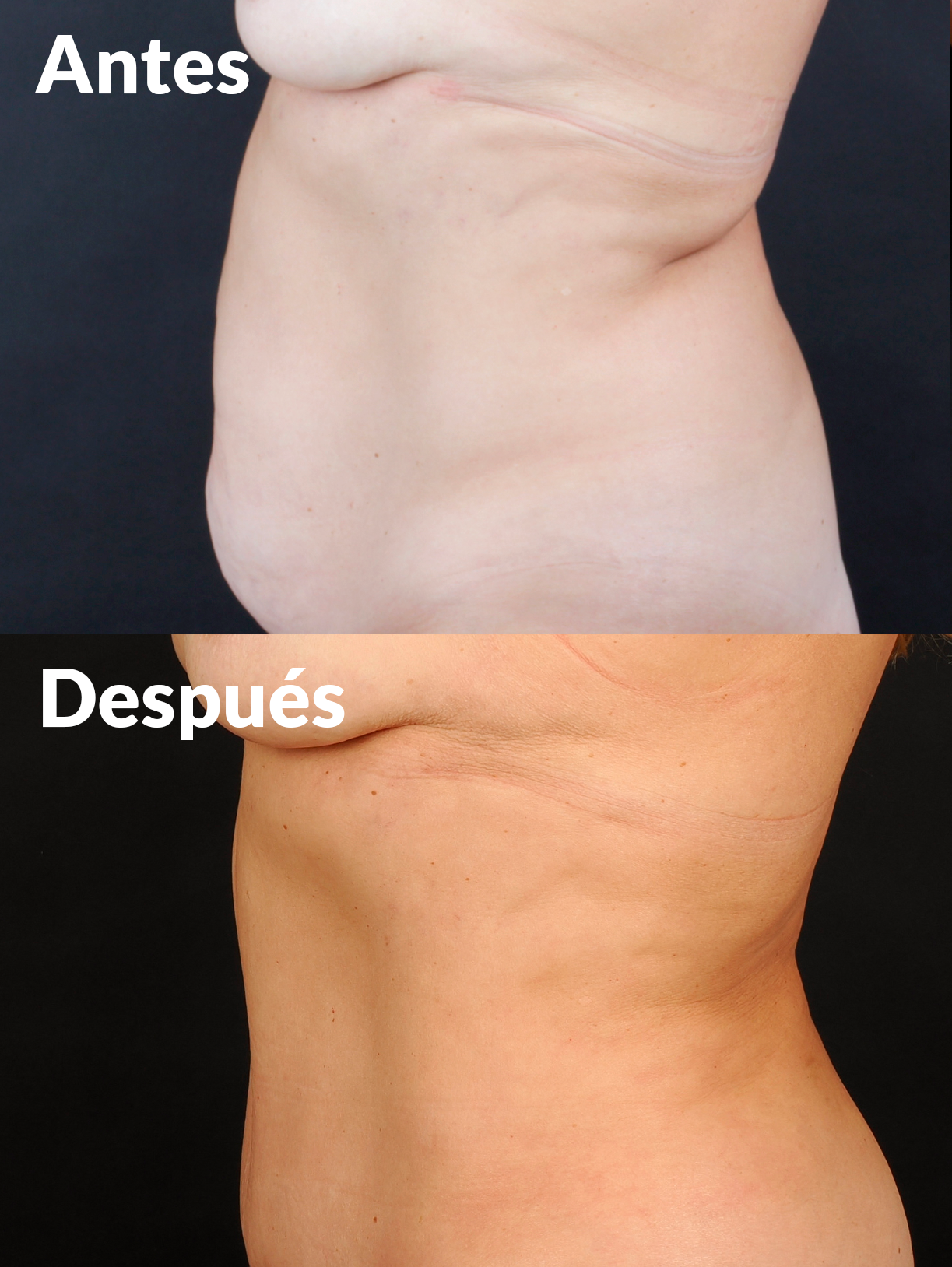
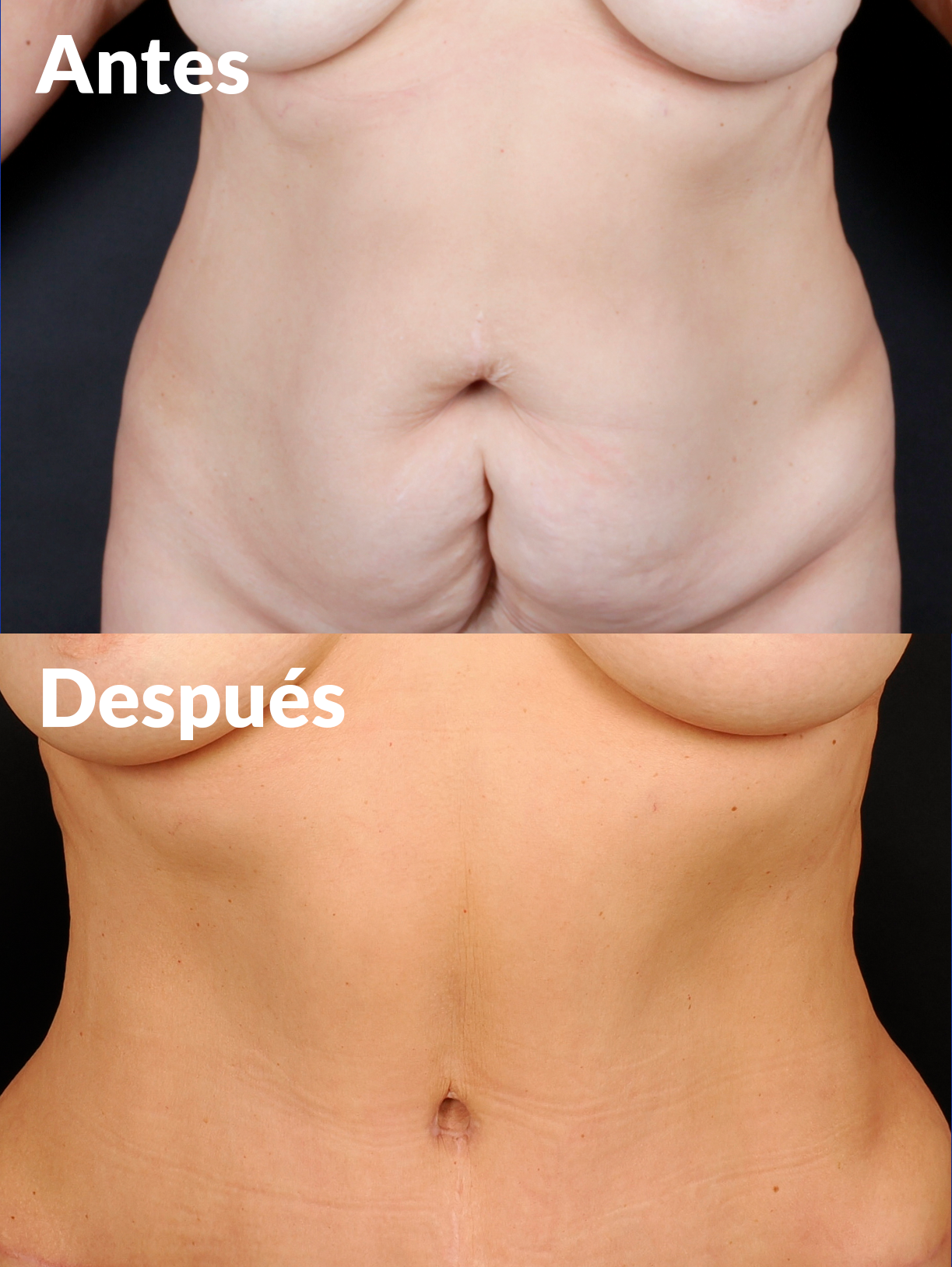
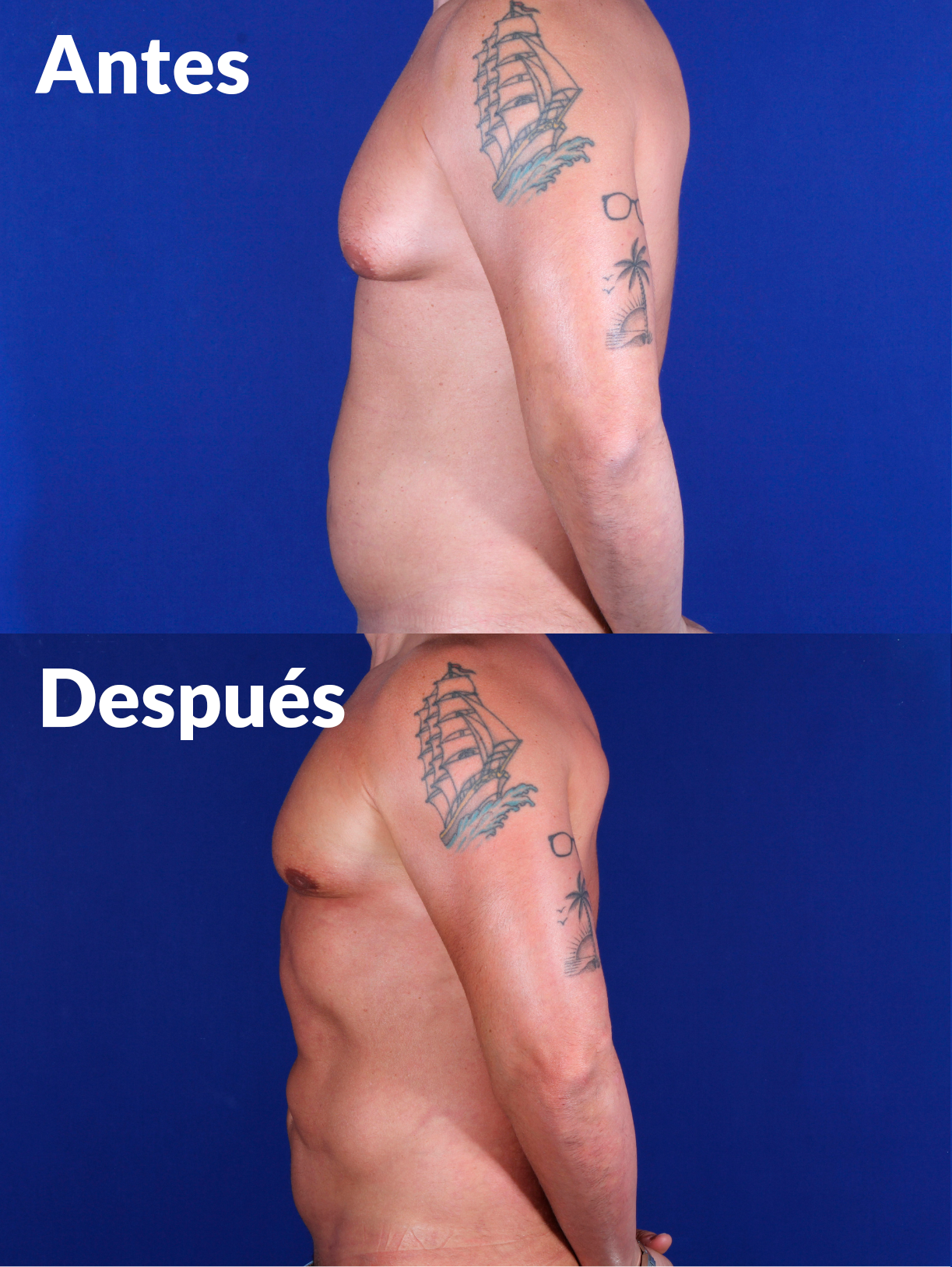
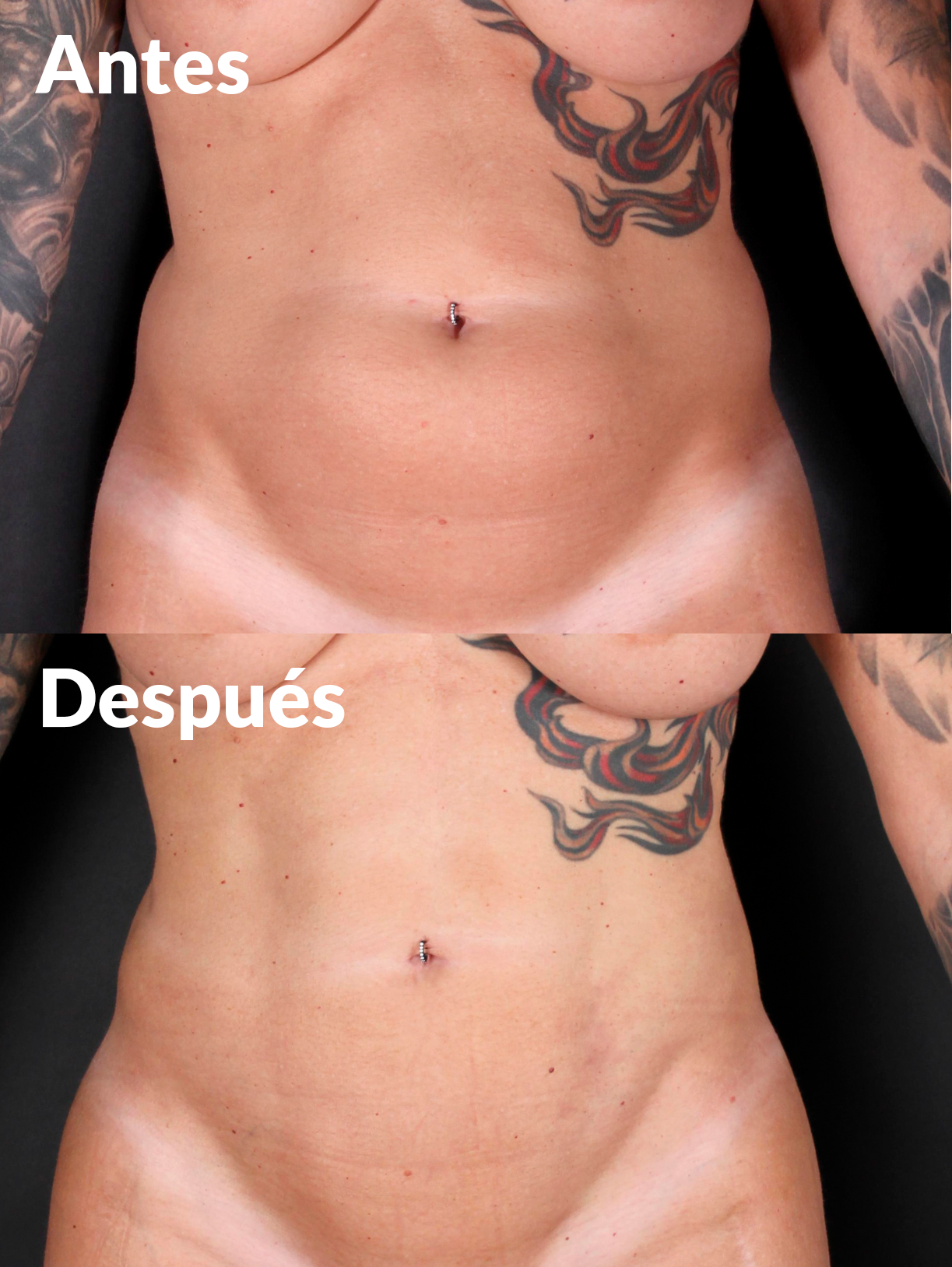
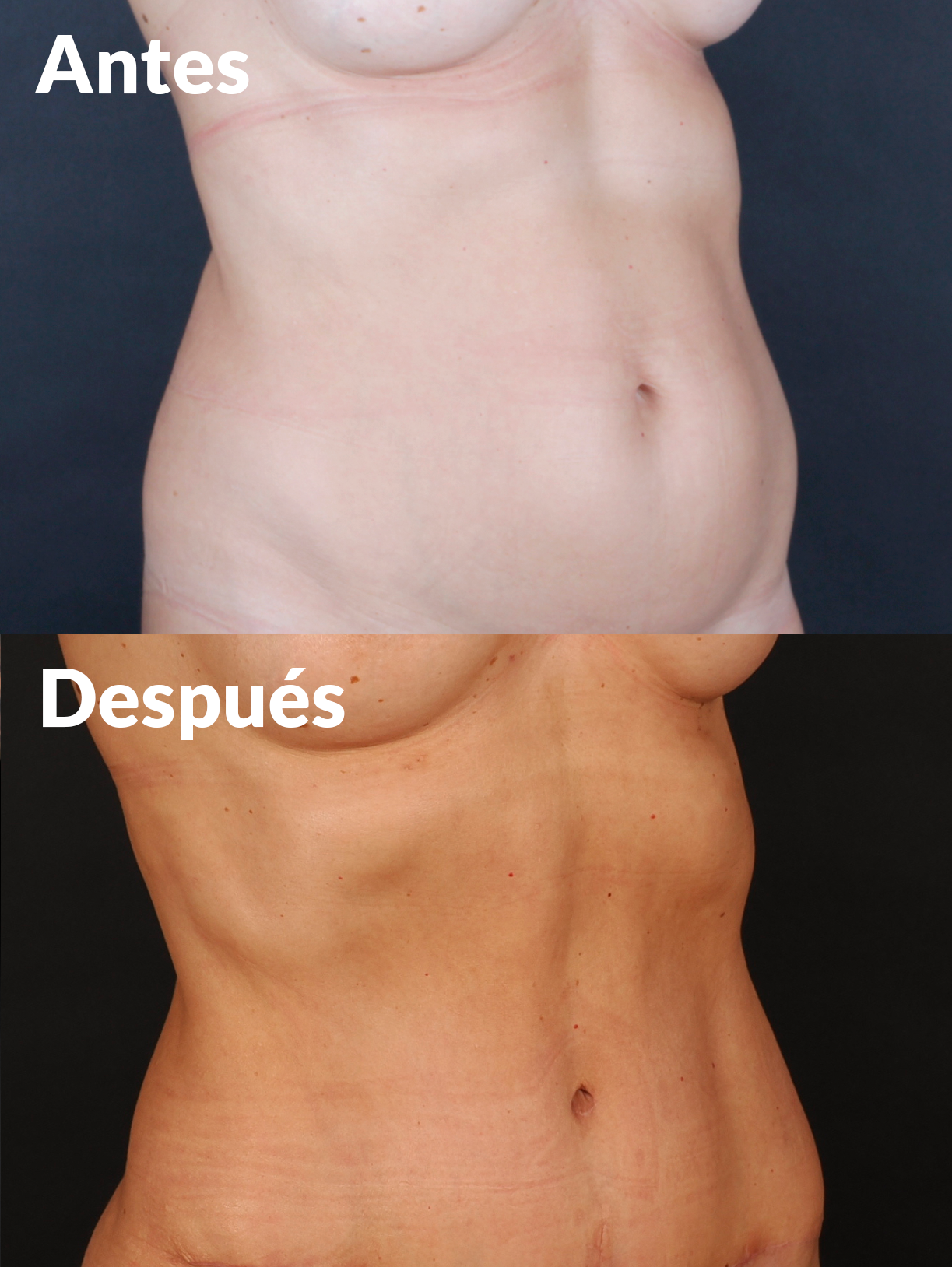
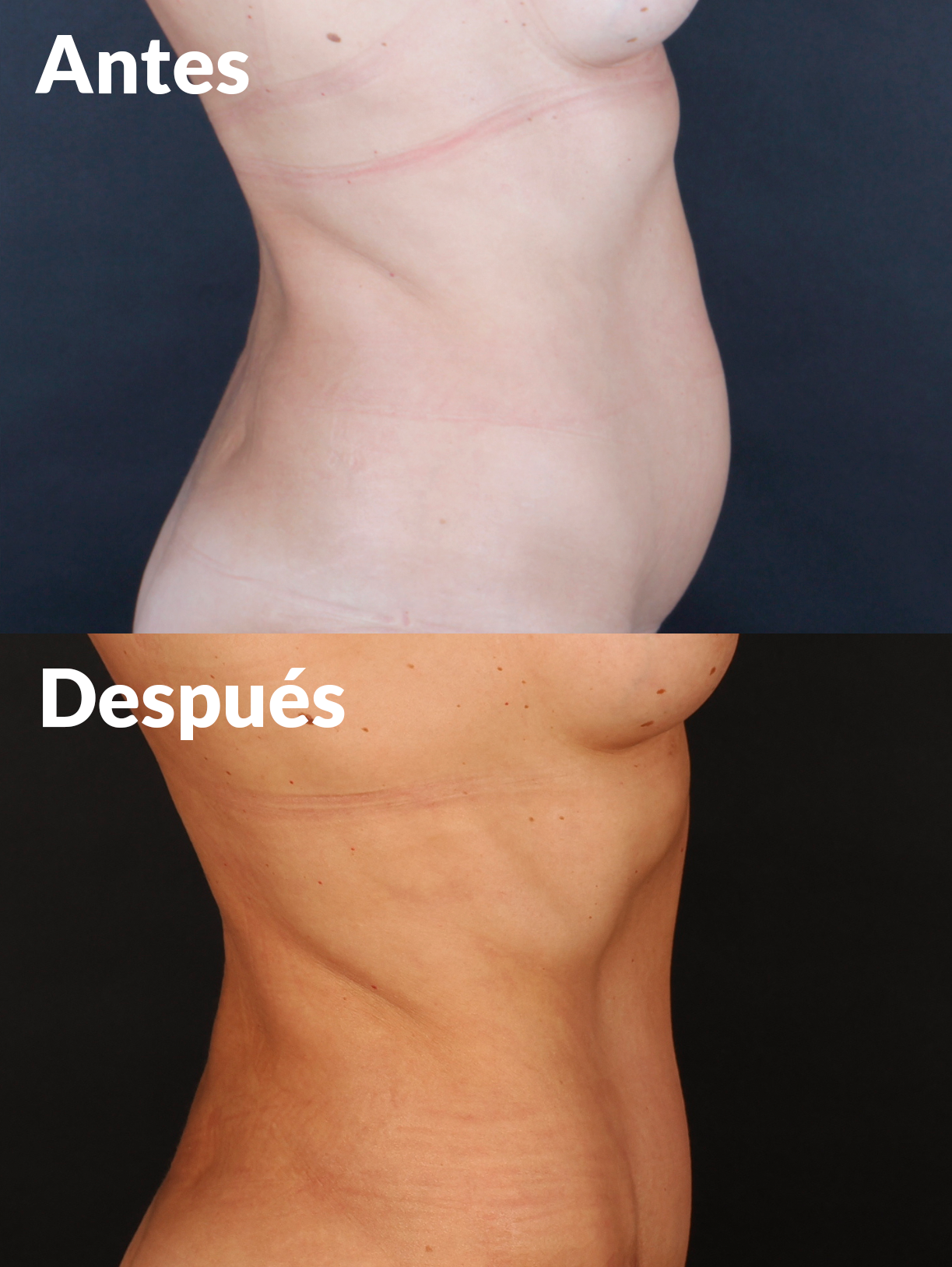
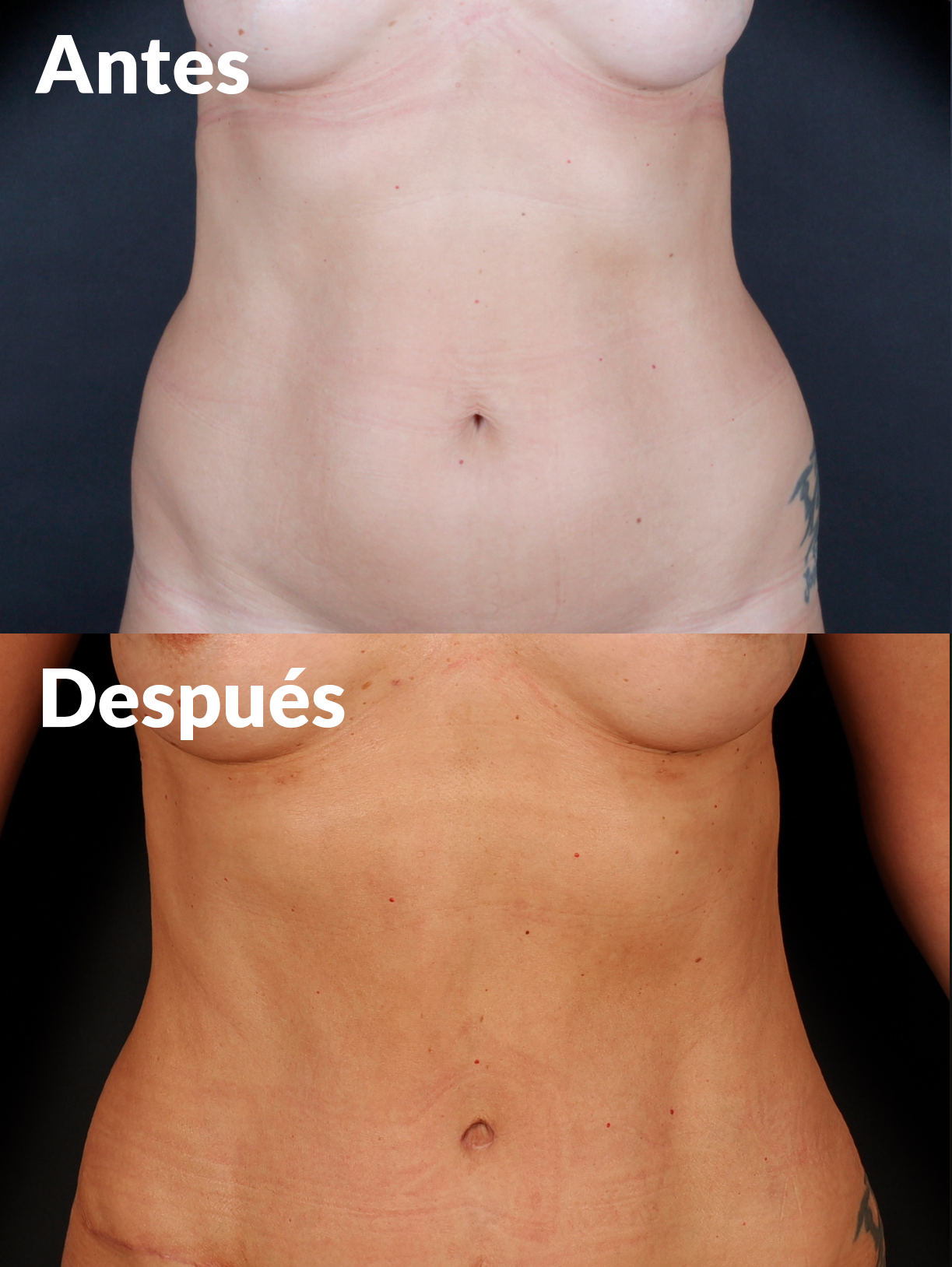
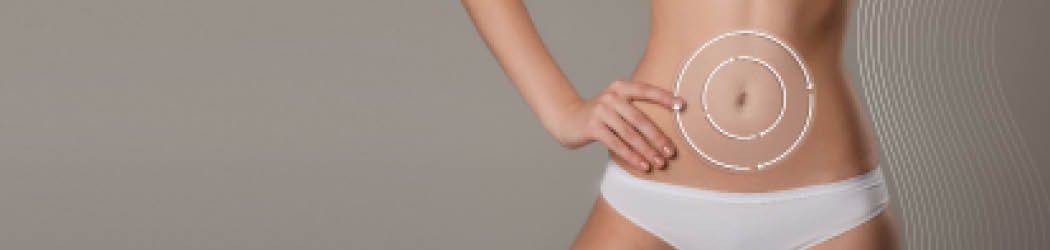
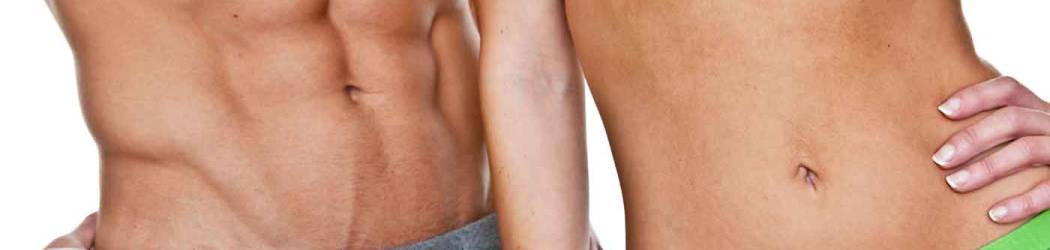
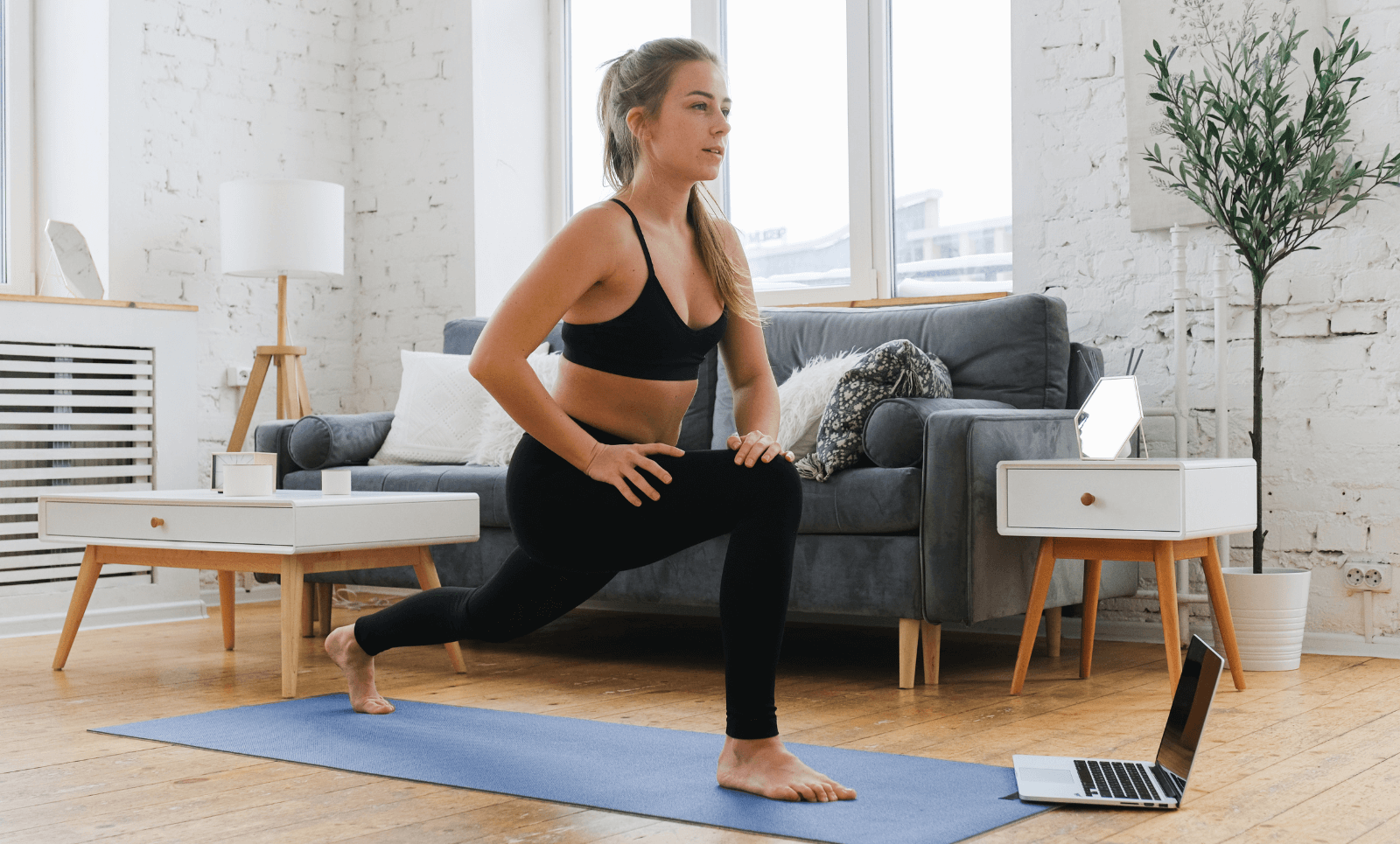
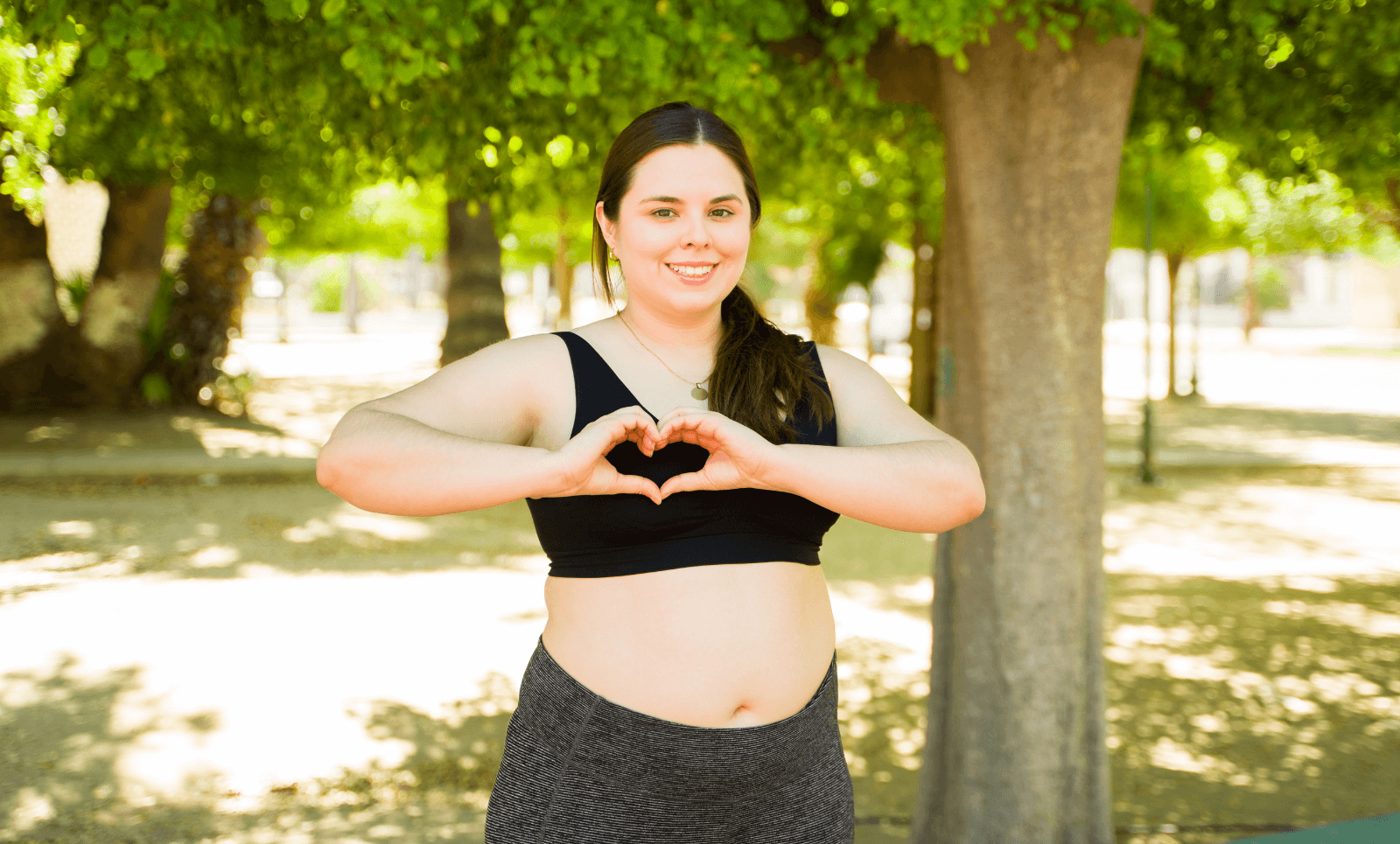
Massive weight loss is defined as a weight reduction, achieved through diet/exercise or bariatric surgery, that is substantial and maintained over time, and which leads to an improvement in quality of life and associated comorbidities.
The success of bariatric surgery and massive weight loss presupposes:
Skin laxity
Excess skin, especially on the arms, breasts, abdomen, and thighs.
This can negatively affect one’s self-perception.
At Clínica Planas, we propose performing post-bariatric reconstructive surgeries, a set of surgical procedures designed to treat excess skin and changes in body contour that occur following significant weight loss.
Post-Obesity reconstructive surgeries
After undergoing bariatric surgical treatment or experiencing massive weight loss, several months may pass before the aesthetic alterations resulting from weight loss become evident.
These sequelae do not follow a defined pattern. They consist of skin laxity and localized lipodystrophies in different body regions, depending on the degree of prior obesity and the constitution of each individual.
Book an appointment
CLÍNICA PLANAS' DATA PROTECTION INFORMATION CLICK HERE
Purposes:
To respond to your requests and to send you commercial information about
our products and services, including via electronic means. Rights: At any time, you can withdraw your consent,
access, rectify, delete your data and exercise other rights at doctor@clinicaplanas.com. Additional Information:Privacy Policy.
We are backed by 50 years of experience as a clinic specialising in plastic surgery and aesthetic medicine.
Price and financing Lipoabdominoplasty
Do you want to finance your lipoabdominoplasty in a fast, convenient, and secure way? Discover our financing options.
Clínica Planas offers you 2 years of peace of mind, safety, and satisfaction. In the event of any complication or if the result does not meet the objective agreed with your surgeon, we will be by your side.
Hace un mes y medio me operé en clinica planas con Dr.Dorian y solo puedo tener buenas palabras hacia la clinica.Empezando por Dorian que es un gran cirujano como con las enfermeras que son estupendas! Trato y resultados expectaculares.Gracias a todo el equipo!!!
Cristina López sole09/06/2026
Mi experiencia en Clínica Planas a sido Fantástica en todos los sentidos !!
Estoy encantada y Feliz de por fin haber hecho algo que necesitaba y sin duda en las mejores manos !!
Muchas Gracias por todo !
Rocio30/04/2026
Mi experiencia en la clínica ha sido excelente. Destaco especialmente la profesionalidad y calidad humana de todo el equipo.
Me realicé una abdominoplastia y mastopexia, y no puedo estar más satisfecha con los resultados y con todo el proceso.
El Dr. Alberto López ha demostrado ser un gran profesional, muy atento y cercano en todo momento, estando pendiente de cada detalle.
Asimismo, quiero agradecer el trato recibido por parte del personal de enfermería, que ha sido impecable durante mi estancia hospitalaria. También destacar la atención de la Secretaria Aída, siempre eficiente y amable.
Recomiendo mucho la clínica y al Dr. Alberto López.
Gracias por todo.
Jenny Santana05/04/2026
Para mí pasar por Clinica Planas fue una experiencia extraordinaria y más en las manos del Dr. Alberto López, que hace su trabajo con excelencia y profesionalidad.
After massive weight loss, when is reconstructive surgery indicated?
The optimal timing for performing these treatments should not be based on the patient’s perception alone, but on an evaluation by an interdisciplinary team:
Bariatric surgeon
Nutritionist
Psychologist
Plastic surgeon
Internist
Anaesthetist
Personal trainer
Suggested videos
60 kg less with gastric sleeve surgery
Relationship between sport and cosmetic surgery
Sagging arms
Third party content blocked
The original content cannot be displayed because you have chosen not to accept third-party cookies.
The procedures are classified into three main groups:
Upper body contouring surgery
Brachioplasty
Torsoplasty
Breast surgery
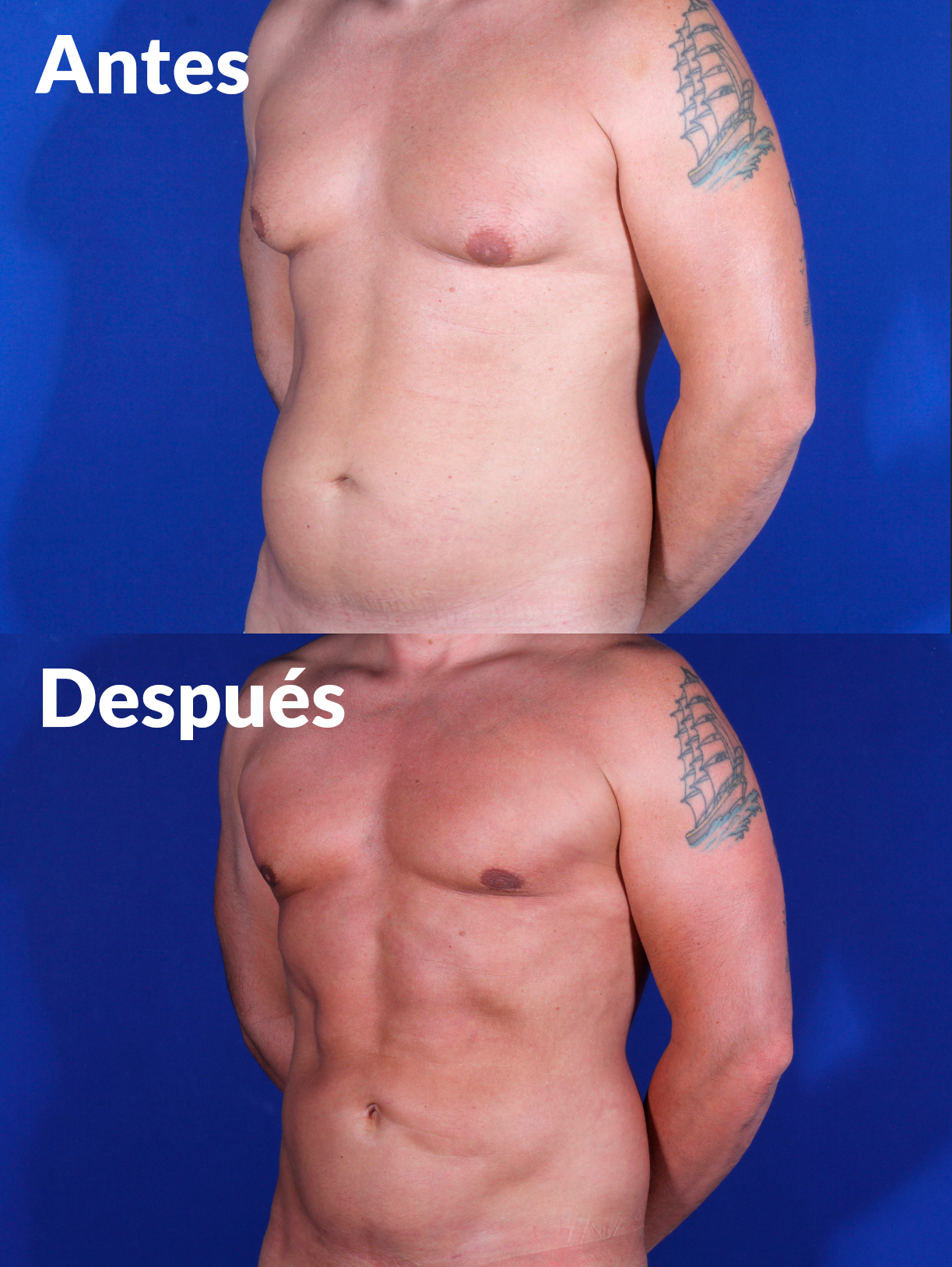
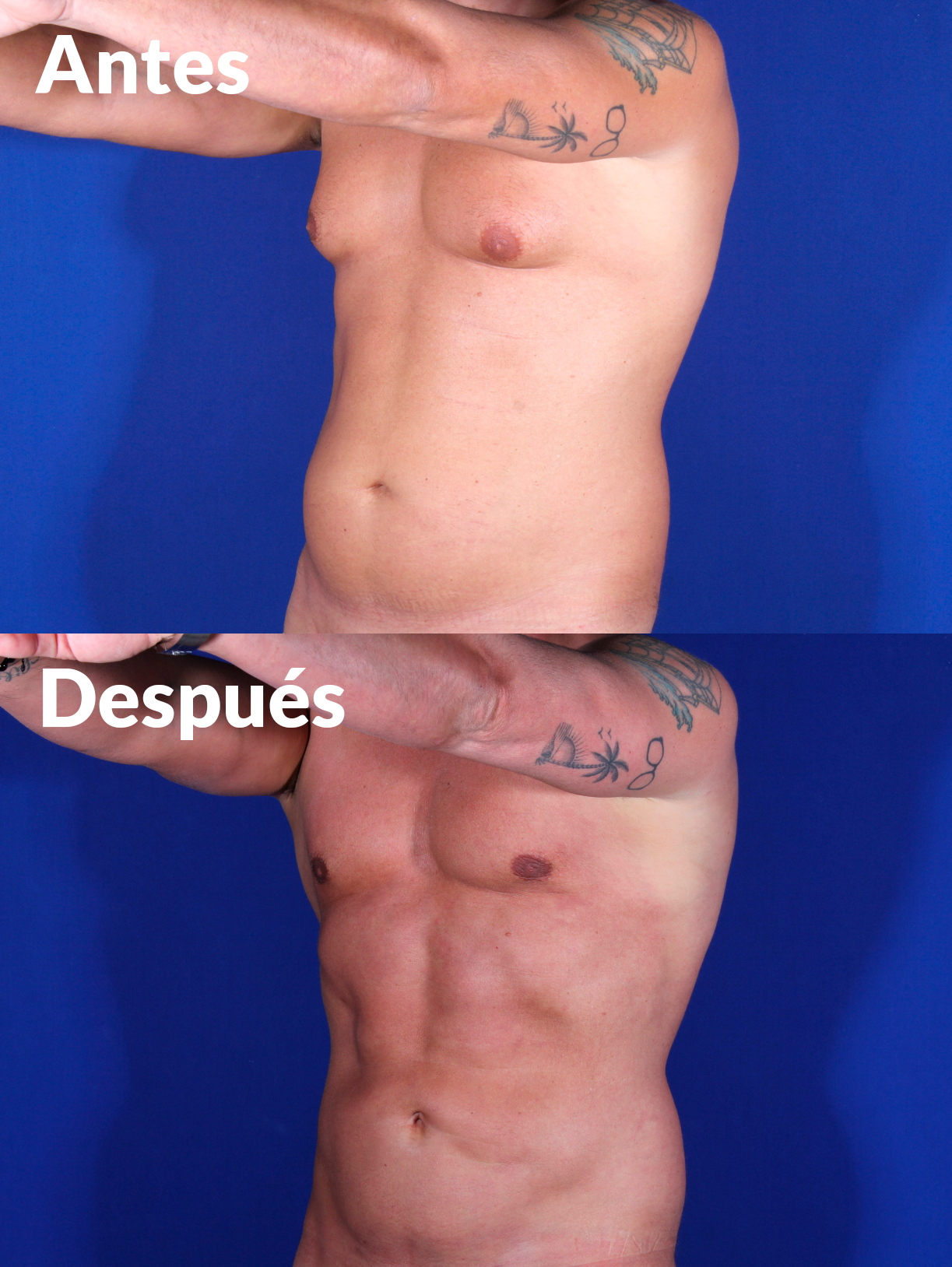
Male chest contouring
Lower body contouring surgery
Abdominoplasty
Gluteal region contouring
Thigh lift (Cruroplasty)
Cervicofacial region surgery
Additionally, a final stage of liposuction can be considered for localized lipodystrophy not associated with another procedure, to achieve greater definition of the body contour.
The choice of the anatomical region for the first surgical stage is made by consensus between the plastic surgeon’s judgement and the patient’s individual aesthetic and functional needs.
Massive Weight Loss:
Free visit
Fill in the form and our specialists will study your case and contact you.
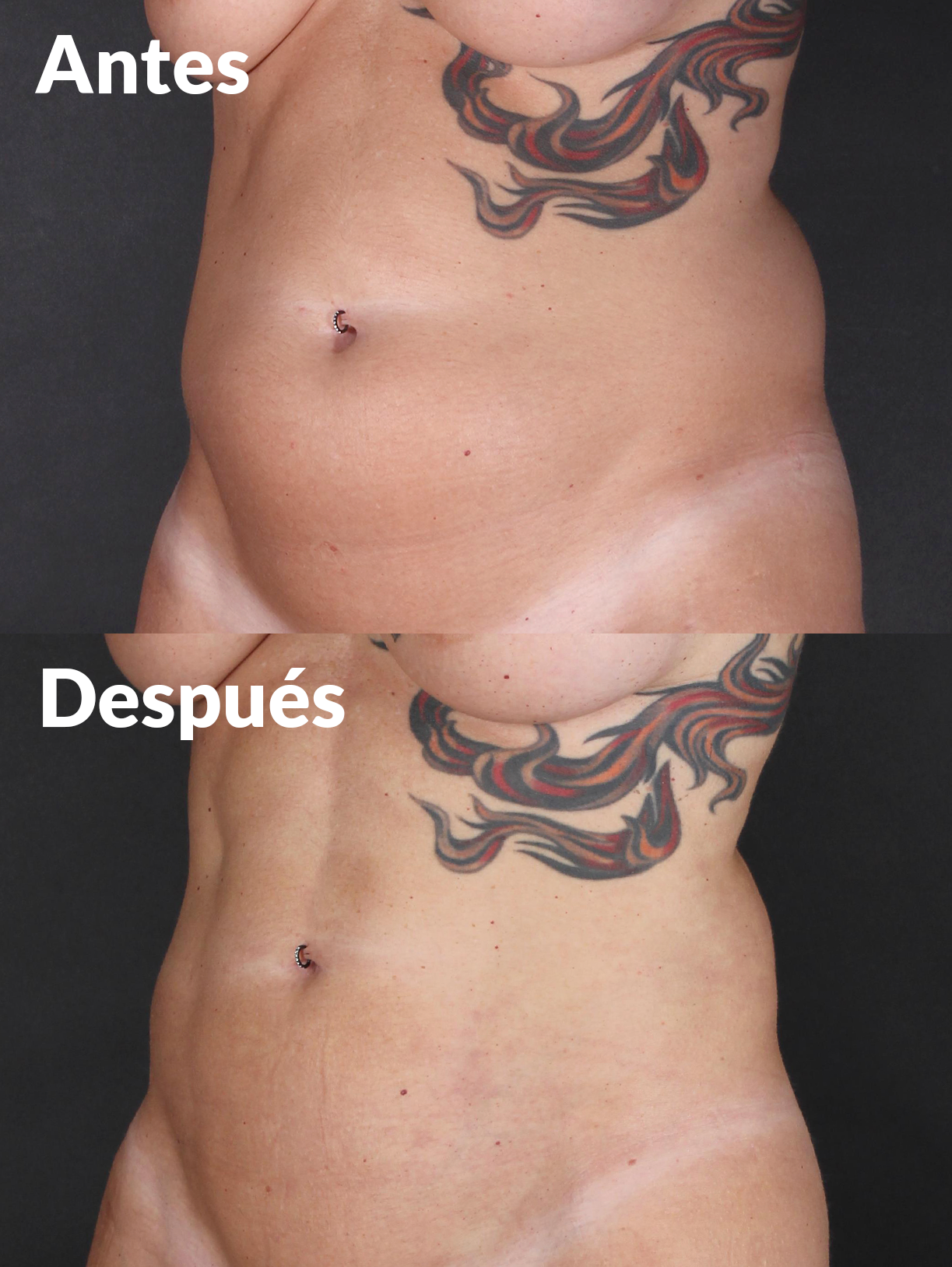
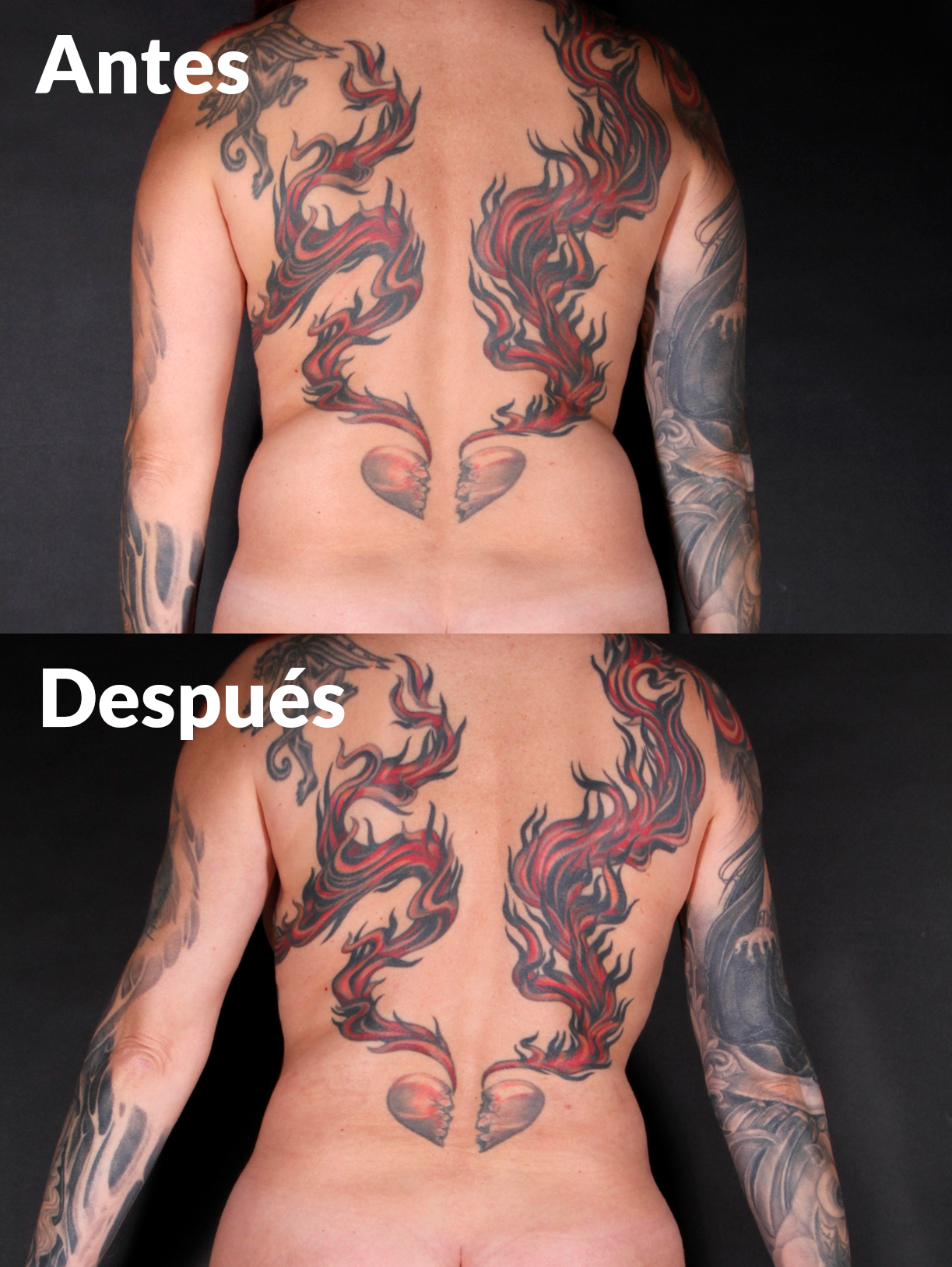
Lipoabdominoplasty treats the torso of our patient at 360º, shaping the abdomen, flanks, and back. It allows us to:
Remove excess skin following massive weight loss
Reconstruct the abdominal wall through rectus abdominis plasties
Remove localized fat deposits
Depending on the amount of excess skin present, the surgeon will decide which surgical technique to apply in each case. We can distinguish:
Abdominal dermolipectomy
The horizontal scar is positioned at the level of a caesarean section and extends laterally to the iliac crests. Through this procedure, we repair diastasis or separation of the rectus abdominis muscles, remove excess skin, and tighten the abdominal skin. Additionally, Vaser liposuction is performed to shape the silhouette.
Extended dermolipectomy
Similar to an abdominal dermolipectomy, but in this case the scar needs to be longer to remove excess skin from the flanks. Likewise, this procedure repairs diastasis of the rectus abdominis muscles, removes excess skin, and tightens the abdominal skin. Vaser liposuction is also performed to sculpt the silhouette.
Flor de Lis dermolipectomy
Offered to patients with an extraordinary and marked excess of anterior abdominal skin, where a good cutaneous remodelling cannot be achieved with a horizontal scar alone. It consists of a dermolipectomy with a horizontal scar and an additional vertical scar extending from the sternum to the pubis, intended to remove central excess abdominal skin. It may also be referred to as an inverted T.
Circumferential dermolipectomy
Also known as a Body Lift, it is offered to patients with excess skin not only on the abdomen but also on the flanks and with sagging buttocks. It is defined as circumferential because the scar will extend 360º, allowing us to remove skin from both anterior and posterior areas, producing a gluteal lifting effect. It can be combined with gluteal fat transfer.
Breast surgeries
Reduction Mammoplasty:
Removes excess skin, fat, and glandular tissue in cases of large, sagging breasts following massive weight loss. The scar is usually an inverted T or vertical.
Mastopexy without Implants:
A procedure that allows the breasts to be lifted by removing excess skin and repositioning the tissue without reducing breast volume. The scar is usually an inverted T or vertical.
Mastopexy with Implants:
Indicated for deflated and sagging breasts after massive weight loss. The breast is elevated using an implant to restore lost volume. The scar is usually an inverted T or vertical.
Torsoplasty:
A procedure that corrects lateral and posterior deformities of the trunk. It can be lower, at waist level, or upper, at the level of the bra clasp.
A surgical technique that removes excess skin from the inner and upper areas of the arms. It restores firmness by tightening the skin and reducing arm volume.
Part of this procedure involves Microaire Liposuction, which allows the arms to be sculpted and volume reduced.
Thighs
Thigh Lift (Cruroplasty):
A procedure to improve the appearance of the lower limbs by removing excess skin and adipose tissue, enhancing the firmness and shape of the thighs. Microaire liposuction is performed, and the skin excision involves an incision in the groin area that extends posteriorly and vertically along the inner thigh.
Benefits of Lipoabdominoplasty
Improves confidence and self-esteem by reconstructing your body silhouette.
Enhances abdominal wall tone by tightening musculature, correcting diastasis and abdominal hernias, thereby improving posture and reducing back pain.
Improves hygiene by removing the abdominal fold that can occur after massive weight loss.
Rejuvenates the pubic region through a lift of the external genitalia.
Scars are always placed in inconspicuous areas that can be easily covered with underwear or a bikini. During the first 18–24 months, scars may appear redder and more prominent, as the tissue is still healing and maturing. After 18 months, scars gradually lighten and become less noticeable. For pathological scarring (hypertrophic scars or keloids), Clínica Planas offers a Laser Unit to evaluate treatment options.
Is the surgery very painful?
After post-bariatric body contouring surgery, 1–2 nights of hospitalisation are recommended. During this time, intravenous analgesics help control discomfort. Manual lymphatic drainage is also initiated in the hospital to minimise swelling in the early hours. Upon discharge, a one-week pain and anti-inflammatory regimen is prescribed.
Who can undergo a lipoabdominoplasty?
Patients with abdominal laxity, excess abdominal skin, and diastasis who have maintained a stable weight after weight loss. This requires at least 3–6 months after diet-induced weight loss, or 18 months following bariatric surgery.
How can loose skin be removed?
For mild laxity, there are non-surgical technologies that can improve skin appearance, such as Carboxytherapy or Morpheus 8, or surgical techniques like BodyTite or Renuvion.
For more severe laxity, excess skin must be removed and the figure reshaped with liposuction, as in the case of lipoabdominoplasty.
Which surgeries can be combined after massive weight loss?
Surgeries can be combined depending on patient needs, provided safety is maintained. It is not recommended to exceed 6–7 hours of surgery, nor to remove more than 10% of body weight via liposuction/surgery. The procedure will be decided jointly with the patient, considering overall health and prioritising safety.
How long will I need to wear the compression garment?
The compression garment is fitted in the operating theatre at the end of surgery. It acts as a compressive dressing, helping reduce swelling and oedema postoperatively. It should be worn 24 hours a day (removed only for showering) for the first 45 days, then gradually reduced to 12 hours daily, usually removed at night, for an additional 15 days.
Will I need massages?
Yes, a specific type of massage called manual lymphatic drainage will be recommended. This should be performed frequently during the first 10 postoperative days (almost daily), then reduced depending on local inflammation, and combined with other physiotherapy techniques or technology if necessary. Massages help reduce local inflammation, mobilise liposuction-treated tissue, and prevent fibrosis and adhesions.
When will results be visible?
Partial results are visible immediately after the procedure, but final and stable results are achieved after 6–12 months, once postoperative inflammation has completely subsided.
Expert opinion
Dr. Jordi Mir
We recommend abdominoplasty particularly when there is excess abdominal skin and tissue, sometimes accompanied by separation of the abdominal muscles. For each patient, I assess what the abdomen truly needs and which technique is most appropriate to achieve a proportionate improvement, removing excess skin and fat and, when indicated, reinforcing the abdominal wall. My priority is to achieve a firmer, more defined abdomen with natural proportions. With careful planning and close follow-up, we approach the process with safety and confidence.
CLINICA PLANAS utiliza cookies técnicas, de personalización, análisis y publicitarias, propias y de terceros, que tratan datos de conexión y/o del dispositivo, así como hábitos de navegación para facilitarle la misma, analizar estadísticas del uso de la web y personalizar publicidad.
Política de Cookies
¿Qué son las cookies?
Las cookies son pequeños archivos de datos que se reciben en el terminal desde el sitio Web visitado y se usan para registrar ciertas interacciones de la navegación en un sitio Web almacenando datos que podrán ser actualizados y recuperados. Estos archivos se almacenan en el ordenador del usuario y contiene datos anónimos que no son perjudiciales para su equipo. Se utilizan para recordar las preferencias del usuario, como el idioma seleccionado, datos de acceso o personalización de la página.
Las Cookies también pueden ser utilizadas para registrar información anónima acerca de cómo un visitante utiliza un sitio. Por ejemplo, desde qué página Web ha accedido, o si ha utilizado un "banner" publicitario para llegar.
¿Qué uso le damos a los diferentes tipos de cookies?
Según su finalidad:
Cookies técnicas
Las cookies técnicas son aquellas facilitan la navegación del usuario y la utilización de las diferentes opciones o servicios que ofrece la web como identificar la sesión, permitir el acceso a determinadas áreas, facilitar pedidos, compras, cumplimentación de formularios, inscripciones, seguridad, facilitar funcionalidades (videos, redes sociales…).
Cookies de personalización
Las cookies de personalización permiten al usuario acceder a los servicios según sus preferencias (idioma, navegador, configuración…).
Cookies analíticas
Las cookies de análisis son las utilizadas para llevar a cabo el análisis anónimo del comportamiento de los usuarios de la web y que permiten medir la actividad del usuario y elaborar perfiles de navegación con el fin objetivo de mejorar los sitios web.
Cookies publicitarias
Las cookies publicitarias permiten la gestión de los espacios publicitarios de la web. Además, estas cookies pueden ser de publicidad personalizada y permitir así la gestión de los espacios publicitarios de la web en base al comportamiento y hábitos de navegación de usuario, de donde se obtiene su perfil y permiten personalizar la publicidad que se muestra en el navegador del usuario u otros perfiles y redes sociales del usuario.
Según su plazo:
Cookies de sesión
Las cookies de sesión son aquellas que duran el tiempo que el usuario está navegando por la página Web y se borran al cerrar el navegador.
Cookies persistentes
Estas cookies quedan almacenadas en el terminal del usuario hasta que son eliminadas manualmente o haya concluido el periodo de duración establecido para dicha cookie.
Según su titularidad:
Cookies propias
Aquéllas que se envían al equipo terminal del usuario desde un equipo o dominio gestionado por el propio editor y desde el que se presta el servicio solicitado por el usuario.
Cookies de terceros
Aquéllas que se envían al equipo terminal del usuario desde un equipo o dominio que no es gestionado por el editor, sino por otra entidad que trata los datos obtenidos través de las cookies.
Este sitio utiliza cookies técnicas, de personalización, análisis y publicitarias propias y de terceros, que tratan datos de conexión y/o del dispositivo, así como hábitos de navegación para fines estadísticos y publicitarios.
Por ello, al acceder a nuestra web, en cumplimiento del artículo 22 de la Ley de Servicios de la Sociedad de la Información le hemos solicitado su consentimiento para su uso.
El suministro de datos personales a través de nuestro portal y el consentimiento para el uso de cookies requiere una edad mínima de 14 años y la aceptación expresa de nuestra Política de Privacidad.
De todas formas, le informamos que puede activar o desactivar las cookies siguiendo las instrucciones de su navegador de Internet:
La siguiente tabla recoge la clasificación y descripción de las cookies utilizadas en la presente página web para que puedas identificarlas en tu navegador:
Utilizada por Google para almacenar información sobre cómo utiliza usted el sitio web , la publcidad y las búsqeudas en Google para ofrecerle una publicidad más personalizada y relevante.
Sesiones de los visitantes.
_ga, _ga_[ID] y _gid: Se usan para distinguir a los usuarios.
_gat_UA-[ID] & _gat_gtag_UA_[ID]: Se usa para limitar el porcentaje de solicitudes y analizar el tráfico.
Analítica
2 años - _ga & _ga_[ID]: 2 años. _gid: 1 día. _gat_UA-[ID] & _gat_gtag_UA_[ID]: 1 minuto. Para más información: Política de Cookies de Google
Registra una identificación única en dispositivos móviles para permitir el seguimiento según la ubicación geográfica por GPS.
Publicitaria
1 día
IDE
De terceros (Doubleclick)
Preferencias, enlaces, conversiones e interacciones con anuncios publicitarios.
Publicitaria
1 año
test_cookie
De terceros (Doubleclick)
Cookie de prueba utilizada por Google DoubleClick para comprobar que se pueden establecer cookies de publicidad.
Publicitaria
1 minuto
TDID
De terceros (The Trade Desk)
Esta cookie lleva información sobre la forma en que el usuario final utiliza el sitio web y cualquier publicidad que el usuario final pueda haber visto antes de visitar dicho sitio web.


 Jessica Arevalo
02/09/2026
Jessica Arevalo
02/09/2026

 Cristina López sole
09/06/2026
Cristina López sole
09/06/2026
 Rocio
30/04/2026
Rocio
30/04/2026
 Jenny Santana
05/04/2026
Jenny Santana
05/04/2026

 Third party content blocked