Abdominal Liposculpture

What does abdominal
liposculpture involve?
It is a procedure performed by plastic surgeons to reshape the contour of the abdomen, which becomes altered due to:
- the passage of time
- fat deposits
- the after-effects of previous surgeries
- or even pregnancy
We use different techniques mainly focused on removing excess abdominal fat. This is known as liposuction, since in most cases a powerful mechanical aspiration device is employed to extract this fat through small incisions, hidden within natural folds or less visible areas.
It is referred to as Lipo(fat) sculpture, because by using innovative techniques and resources, we can remodel the fat to highlight the naturally aesthetic contours of the abdomen, going beyond merely leaving it empty.
We can also redistribute the fat, especially in cases where there are after-effects from previous surgeries.
Finally, whenever necessary, liposculpture may be combined with a specific skin treatment, in order not only to achieve a flat abdomen, but also a firm and taut one, free from sagging.
Book an
appointment
CLÍNICA PLANAS' DATA PROTECTION INFORMATION CLICK HERE
Purposes: To respond to your requests and to send you commercial information about our products and services, including via electronic means. Rights: At any time, you can withdraw your consent, access, rectify, delete your data and exercise other rights at doctor@clinicaplanas.com. Additional Information: Privacy Policy.
We are backed by 50 years of experience as a clinic specialising in plastic surgery and aesthetic medicine.


Our Patients’
Reviews
 Nuria Seller Pradas
22/09/2026
Nuria Seller Pradas
22/09/2026

 Lu García
23/04/2026
Lu García
23/04/2026
 Chacha Melas
11/04/2025
Chacha Melas
11/04/2025
 Raquel Pacheco
12/08/2026
Raquel Pacheco
12/08/2026
Why undergo
abdominal liposculpture?
As we age, the abdomen tends to be one of the most difficult areas to maintain in terms of shape and tone.
Whether a person is active or sedentary, the torso houses the abdominal organs and is a common fat deposit in both men and women, which gradually builds up over time.
If you have experienced pregnancies or abdominal surgeries — and have not carried out specific physical training — it is likely that your abdominal wall has been weakened, and it may no longer be able to adequately contain the organs.
In addition, spending many hours of the day sitting causes the abdominal wall to adopt poor shapes, which favour the accumulation of fat, particularly in the lower abdomen.
These situations, beyond an aesthetic issue or a change in body perception, may cause:
- Difficulties when dressing
- And, when associated with overweight or obesity, excess abdominal fat may increase the risk of cardiovascular disease
It is also common that, upon reaching a stage of personal, professional, and financial stability, there is a desire to feel and look good, to fully enjoy this new phase of life, despite:
- the hormonal problems associated with menopause
- the slowing down of metabolism
- and other conditions that make it more difficult to live life as in the early twenties
Suggested
videos
-
How can you combat flabby arms?
-
Relationship between sport and cosmetic surgery
-
Body contouring with your own fat
 Third party content blocked
The original content cannot be displayed because you have chosen not to accept third-party cookies.
Review my choiceMenopause
The hormonal changes of this stage favour that the surplus of carbohydrates and fats ingested, not used as energy fuel, are transformed into excess fat that is deposited in different parts of the body:
- Abdomen, buttocks
- Saddlebags
- Waist
Associated with this is a decrease in muscle mass, with this atrophy and loss of tone being responsible for the pendulous shape that the abdomen begins to take after the age of 50, which also accentuates the slowing down of the metabolism due to atrophy from lack of muscle work.
To complete the cocktail of oestrogen loss, the skin loses elasticity and also becomes thinner, being prone to:
- Sagging
- Flaccidity
- Irregularities
Overweight and Sedentary Lifestyle
Most people spend an average of 6 hours a day sitting, especially between the ages of 35 and 70.
Over the years we tend to accumulate subcutaneous fat – beneath the skin – in the abdominal area, even if it is not accompanied by an increase in total body weight.
When a sedentary lifestyle is accompanied by a poorly balanced diet, with an abundance of processed products, simple carbohydrates, unhealthy fats, and sugars, fat begins to accumulate around the organs, called “visceral fat” or “intra-abdominal fat”. This exponentially increases the risk of suffering potentially fatal cardiovascular diseases.
Once these “sedentary lifestyle love handles” are well formed, comprehensive support is necessary to reverse them:
- Nutrition
- Physical exercise
- Medical support
Abdominal liposculpture can help to resume a more active life. Why? Because it is easier to perform exercises with a flat abdomen. Furthermore, it motivates us to maintain the figure.
In addition, fat loss also modifies the presence of enzymes involved in metabolism.
Previous Surgeries
When surgical procedures have previously been performed on the abdomen, whether aesthetic or not, sequelae can often become more evident over the years.
Often it is a scar that became unaesthetic and causes fat to accumulate differently around it.
Other times the abdominal wall appears weakened and gives way to surgical hernias or eventrations.
The most common surgeries are those related to the gynaecological field and, among these, caesarean section, but also ovarian or uterine surgery. They are followed by surgeries for hernia correction, emergencies for appendicitis or intestinal disorders, and increasingly laparoscopic surgeries with minimal scars on the abdomen; even in these cases irregularities may be observed that can be resolved with abdominal liposculpture combined with other low-risk repair procedures.
Pregnancies, even those resolved through natural childbirth, can leave sequelae in the abdomen similar to those produced by surgery, due to the damage left in the abdominal wall where a separation of the rectus muscles occurs, which does not always recover 100% on its own.
Abdominal liposculpture
before and after


BMI calculator
Calculate your BMI or download our APP
available for Android and iOS.
Benefits and Results
of Abdominal Liposculpture
Permanent results
Contrary to what is commonly believed, there is no expiry date for abdominal liposculpture, since once the fatty tissue is removed it does not reproduce, and only shows growth in size in cases of excessive weight gain (above 10–15 kg).
This allows the result to be maintained over the years with healthy lifestyle habits, following the natural ageing process of the rest of the body.
Improved self-esteem
Looking good makes you feel good; this is a fact. Defining the silhouette, recovering the body from years ago or even improving it generates self-confidence, the desire to dress in a new style, and to look and feel healthy.
The formation of body image is a changing process throughout life, influenced by society and its beauty standards as well as each person’s perception of themselves. What is sought with plastic surgery is to adapt and achieve in the mirror the best version of what that person feels is beauty.
Comfort
Having a flat abdomen is not only a matter of aesthetics: it facilitates dressing, reduces chafing in skin folds, and provides freedom when performing exercise and movements of the torso.
In addition, when associated with repairs of the abdominal wall, the recovery of muscle tone allows for a more upright posture. It has been demonstrated that this has a positive influence on lower back pain and may even favour rehabilitation of the pelvic floor.
Reduction of cardiovascular risk
Abdominal circumference or waist measurement is a highly useful and reliable tool in clinical practice to determine cardiovascular risk, especially in cases of overweight and obesity; a circumference of 102 cm or more in men and over 88 cm in women is considered high risk.
Reducing abdominal girth, together with control of other risk parameters, can be decisive.
Recommended
treatments
-
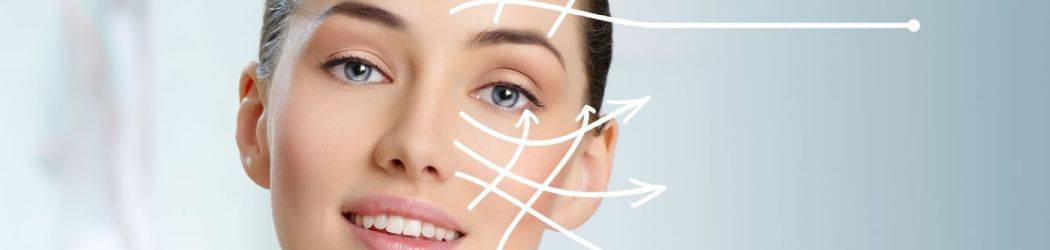
Morpheus8 Treatment
Non-surgical procedure based on fractional radiofrequency for the elimination of flaccidity and facial and body rejuvenation. -
Liposuction
Through suction of surplus fat, the treated area can be moulded, with the consequent improvement of the body outline and the proportion. -
Body Lipostructure
Lipostructure is the technique that allows us to restore and augment or remodel certain areas of the body using your own fat.
Related
articles
-
¿Cómo eliminar la grasa localizada del abdomen?
La grasa abdominal es la que se acumula de forma localizada en el abdomen. Te contamos las causas y consejos para eliminarla. -
Perder grasa corporal: consejos y hábitos
Consejos y hábitos para perder grasa de forma saludable y duradera en el tiempo. Mejora tu forma física y calidad de vida. -

Cómo definir musculatura: consejos y rutinas
Consejos y tratamientos para definir musculatura de una manera saludable, mediante dieta, ejercicios y tratamientos quirúrgicos.
F.A.Q.
-
What is the difference between liposculpture and abdominoplasty?
Abdominoplasty is defined as the surgical procedure that treats all elements of the abdominal wall. In many cases, it is combined with liposculpture and involves a scar—resulting from the removal of excess skin—whose size is individualised depending on the amount of tissue to be removed.
Abdominoplasty also includes a redesign of the navel using different techniques. In most cases, it is completed with repair of the muscular wall in instances of rectus diastasis, oblique muscle issues, or hernias, and reinforcement of weak areas if necessary. -
How long does it take to see the results of abdominal liposculpture?
Although results may be noticeable immediately after surgery, inflammatory processes begin straight away. Recovery progresses during the first month, reaching around 80% of the final result by 30 days and 90% by 3–6 months. The final result continues to develop throughout the first year of recovery and will depend on:
- The amount of fat removed
- Associated procedures
- Areas treated
- Physical condition
- Postoperative habits -
How can I achieve a flat abdomen?
Nutrition is the primary factor for achieving a flat abdomen. Diet is the main cause of abdominal distension and the development of unwanted fat deposits. Exercise is essential to strengthen the abdominal muscles, improve posture, breathing, and athletic performance, as well as reduce undesired fat.
Aesthetic procedures such as liposculpture or abdominoplasty can serve as a complement when diet and exercise alone are insufficient to achieve a flat stomach. -
When can I return to normal life after abdominal liposculpture?
Recovery depends on:
- The amount of fat removed
- Associated procedures
- Areas treated
- Physical condition
- Postoperative habits
Procedures performed on healthy patients under optimal conditions generally allow a return to daily activities after the first week, with some limitations, and after two weeks, normal life including low-impact sports can typically resume. -
Is abdominoplasty very risky?
Aesthetic procedures carry risks, which are carefully evaluated and individualised for each patient. However, when performed under controlled, high-quality conditions, these surgeries are generally very safe and allow relatively quick recovery. Risks also depend on: - The amount of fat removed
- Associated procedures
- Areas treated
- Surgical duration
- Particularly, the patient’s condition and lifestyle habits
Expert opinion
Dr. Jordi Mir

It is important to understand that this technique is not intended for weight loss: liposuction removes localised fat deposits that often do not respond to diet or exercise. My aim is not simply to remove fat, but to improve proportions and achieve a balanced body contour. Before every procedure, I individually assess the anatomy, fat distribution and characteristics of each patient. Careful planning and precision are fundamental to achieving a natural, harmonious result that complements each person’s body.