
Why Longevity Has Become the Medical Debate of the Decade
Longevity has become one of the most talked-about topics in modern medicine. The goal is no longer simply to live longer, but to live better—maintaining independence, mobility, and good health for as long as possible. In this context, anti-aging medical interventions have also gained prominence, aiming to improve both physical well-being and the perception of healthy aging.
The growing interest in healthy longevity is partly due to the fact that people today live longer than they did decades ago. However, this increase in life expectancy has also extended the period during which many individuals live with chronic diseases. As a result, more and more people are looking for ways to delay the physical and cognitive decline associated with aging.
From Extending Life to Extending Health: What Is “Healthspan”?
The concept of healthspan refers to the portion of life spent in good health. In other words, the objective is not only to achieve greater longevity, but also to reduce the burden of chronic diseases and dependence on medication as people age.
Longevity medicine focuses precisely on this goal: extending the period of physical and mental well-being through preventive strategies, lifestyle changes, and regenerative therapies.

The Four Categories of Interventions: Validated, Promising, Speculative, and Trend-Driven
Within longevity medicine, there are different levels of scientific evidence. Some interventions have already been clinically validated; others are considered promising but still require long-term studies; and there are also treatments that remain speculative or are simply popular trends.
In this context, the medical priority is to rely on strategies supported by scientific evidence and measurable results.
Among the fundamental pillars are:
- Quality sleep
- Healthy nutrition
- Regular physical activity
- Nutraceuticals
- Hyperbaric medicine
- Plasma exchange
- Regenerative and biological therapies
Plasma Exchange Within the Longevity Ecosystem
Therapeutic plasma exchange has become one of the most widely discussed interventions in longevity medicine. Although some circles present it as a form of “biohacking,” its medical application is based on a well-defined physiological rationale.
At Clínica Planas, plasma exchange consists of removing part of the aged plasma and promoting the regeneration of new plasma produced by the body itself. The goal is to reduce inflammatory factors and accumulated toxins associated with the aging process.
Various experimental studies have suggested that the exchange of young plasma may be associated with biological rejuvenation processes, particularly in animal models.
“Phase Zero of Longevity”: What It Means and Why It Makes Sense
Before starting any longevity treatment, the first step is to carry out a personalized assessment of the patient.
This “phase zero” includes:
- Comprehensive blood testing
- Sleep assessment
- Evaluation of dietary habits
- Physical activity level assessment
- Detection of toxins or heavy metals
- Inflammatory biomarker analysis
Based on this information, an individualized protocol is designed and tailored to each person’s specific needs and goals.
What Plasma Exchange Removes: From Inflammaging to Microplastics
Plasma exchange aims to remove various substances associated with chronic inflammation and accelerated aging, including:
- Inflammatory macromolecules
- Microplastics
- Pesticides
- Organophosphates
- Heavy metals
- Accumulated toxins
The progressive accumulation of these substances may contribute to what is known as “inflammaging”, a state of chronic, low-grade inflammation associated with the aging process.
> What Plasma Exchange Is Not: A Detox Treatment
Although it can be understood as a form of “physical detoxification,” plasma exchange should not be presented as a miracle solution. It is a medical procedure that works through physical mechanisms of plasma filtration and replacement, and its results should always be evaluated within the context of a comprehensive medical protocol.
What the Evidence Says, Organized by Level
> Level 1: Established Medical Indications (ASFA Categories I and II)
Plasma exchange has well-established medical indications in certain autoimmune diseases and inflammatory conditions.
In these cases, reductions have been observed in inflammatory biomarkers such as:
- High-sensitivity C-reactive protein (hs-CRP)
- Glycation markers
- Circulating inflammatory factors
The reduction of these parameters is considered objective evidence of biological improvement.
Level 2: The AMBAR Study — The Strongest Evidence to Date in Alzheimer’s Disease
The AMBAR study currently represents the strongest clinical evidence regarding plasma exchange in Alzheimer’s disease.
In the field of Alzheimer’s disease, plasma exchange is not considered a cure, but it may form part of a multidisciplinary protocol aimed at slowing the progression of the condition.
These protocols may include:
- Plasma exchange
- Hyperbaric oxygen therapy
- Nutritional modifications
- Prolonged fasting
- Nutraceuticals
- Lifestyle interventions
The goal is to reduce inflammation and lower certain proteins associated with neuronal deterioration.
Level 3: Inflammaging and Aging Biomarkers
Following plasma exchange sessions, some patients show a reduction in biomarkers associated with aging and systemic inflammation.
These changes can be measured through laboratory testing and individualized clinical follow-up.
La ciencia habla claro sobre el recambio plasmático:
- “Diluting aged plasma reduces human biological age: a clinical study”.You can read it here.
- “Multi-omics analysis reveals biomarkers that contribute to rejuvenation of biological age in response to randomized, placebo-controlled, single-blind therapeutic plasma exchange.”. You can read it here.
- “Can plasma exchange be used to reduce the circulating microplastic load in human patients?””. You can read it here.
The Elephant in the Room: The Position of the SEHH
What Did the Spanish Apheresis Group Say, and Why Are They Right?
There are currently scientific and medical groups working on the collection of clinical data related to plasma exchange and longevity.
The objective is to analyze parameters before and after treatment, as well as to study long-term outcomes related to:
- Inflammation
- Aging biomarkers
- Quality of life
- Optimal treatment frequency
Although the preliminary results are promising, more scientific evidence is still needed before definitive conclusions can be established.
At Clínica Planas, we actively participate in the clinical monitoring and analysis of extracorporeal blood purification through apheresis techniques, with the aim of gaining a deeper understanding of its role within longevity medicine. This work allows us to evaluate key aspects such as the optimal treatment frequency, long-term outcomes, and the benefits observed across different patient profiles.
In this context, Clínica Planas collaborates with specialists associated with the Spanish Society of Hematology and Hemotherapy (SEHH) and the Spanish Apheresis Group (GEA).. This scientific collaboration reinforces our commitment to evidence-based medicine and contributes to the development of rigorous medical knowledge regarding plasma exchange and its potential applications in healthy longevity.
> A Brief Comparison with Other Interventions
Longevity medicine incorporates multiple therapeutic tools, including:
- Bioregenerative therapies
- Autologous growth factors and exosomes
- Hyperbaric medicinea
- Ozone therapy
- Intravenous therapies
- Nutraceuticalss
Each of these approaches targets different mechanisms involved in cellular aging and tissue regeneration.
Why It Makes Sense to Combine It with Other Pillars
Combining different strategies aims to address multiple biological processes involved in aging, including:
- Chronic inflammation
- Oxidative stress
- Intercellular communication
- Tissue oxygenation
- Immunosenescence
- Telomere shortening
For this reason, the most advanced protocols typically combine lifestyle interventions with regenerative and metabolic therapies.
Which Interventions Have More Evidence Than Plasma Exchange?
Most regenerative medicine therapies have undergone similar periods of scientific validation, as many of them are relatively new.
However, hyperbaric medicine has accumulated a longer history of scientific research and continues to demonstrate an increasing number of positive effects on patient health.
Is It Right for You? The Profile of a Suitable Candidate
What Is the Ideal Patient Profile for Plasma Exchange?
The individuals who may benefit most include:
- People over the age of 40 who are concerned about longevity
- Patients with inflammatory diseases
- Individuals with autoimmune conditions
- Patients with elevated inflammatory markers
It may also be considered as part of healthy aging and preventive longevity programs under appropriate medical supervision.
Who Should Not Consider It?
Plasma exchange is generally not recommended for:
- Pregnant women
- Severely debilitated patients
- Individuals with advanced diseases without a specific medical evaluation
Five Questions You Should Ask Your Doctor Before Deciding
Before undergoing plasma exchange, it is advisable to ask:
- What specific benefit could this provide in my case?
- What experience does the physician have with this procedure?
- Is the treatment unit accredited?
- Is the technology being used certified?
- What risks or side effects should I be aware of?
How We Approach Plasma Exchange at Clínica Planas
A Protocol-Driven Framework
Our protocol begins with a comprehensive medical evaluation and detailed laboratory testing.
Based on factors such as:
- Weight
- Height
- Hematocrit levels
- Inflammatory status
- Therapeutic goals
We determine the most appropriate personalized protocol for each patient.
Integration with Other Regenerative Treatments
Plasma exchange is often combined with other therapies designed to improve the body’s biological environment and support cellular regeneration.
These may include:
- Regenerative cellular stimulation
- Hyperbaric medicine
- Biological therapies
- Metabolic and nutritional optimization
A Multidisciplinary Team
Our multidisciplinary approach brings together specialists in:
- Regenerative medicine
- Longevity medicine
- Hormonal gynecology
- Ozone therapy
- Intravenous therapies
- Hyperbaric medicine

Frequently Asked Questions
Does Plasma Exchange Really Rejuvenate the Body?
The goal of plasma exchange is to support biological rejuvenation processes.
Some patients report noticeable improvements that are perceived by friends, family, or colleagues weeks or months after the procedure.
In addition, certain inflammatory biomarkers may show positive changes in follow-up laboratory tests.
Can It Remove Microplastics from the Blood?
Yes. This procedure can help remove a portion of the microplastics and other accumulated substances present in the plasma.
How Many Sessions Are Needed in a Longevity Program?
The frequency depends on the patient’s condition, lifestyle, and therapeutic goals.
In some cases, the recommendation may be:
- One session per year
- Two sessions per year
- More widely spaced protocols, depending on individual needs
What Are the Risks of Undergoing Plasma Exchange Without a Clear Medical Indication?
When properly indicated and medically supervised, plasma exchange is generally associated with a limited risk profile.
Possible complications may include:
- Bruising
- Low blood pressure
- Dizziness
- Temporary discomfort
For this reason, it is essential that the procedure is performed in accredited medical units by experienced healthcare professionals.
TRATAMIENTOS RECOMENDADOS
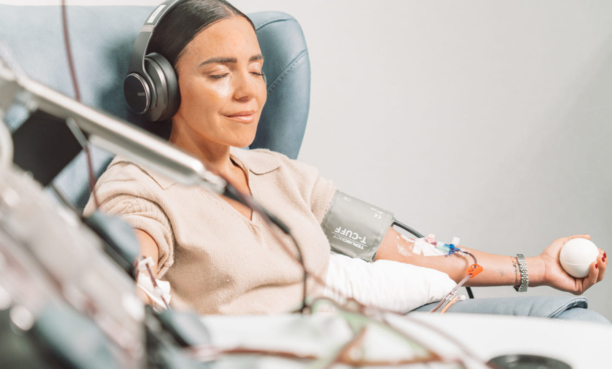
Plasma exchange
Advanced medical procedure that allows filtering and purifying blood plasma, the liquid part of the blood where toxins, metabolic waste and inflammatory molecules circulate.
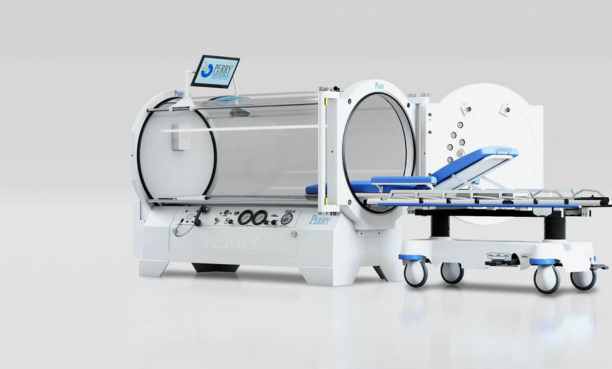
Hyperbaric chamber
A hyperbaric chamber is a device that aims to increase the body’s oxygen supply. Its benefits include accelerated healing, reduced inflammation, and improvement of serious infections.

Fibromyalgia Treatment
At Clínica Planas, we design a 100% personalized Fibromyalgia Syndrome treatment for each individual.