What is rosacea on the skin?
Rosacea is an inflammation of the skin, specifically of the pilosebaceous follicle, in which there is an alteration of the immune system and an increase in the proportion of a mite that normally resides on the skin: Demodex folliculorum. It is not known whether this increase in demodex is the cause or consequence of inflammation of the pilosebaceous follicles.
Book an
appointment
CLÍNICA PLANAS' DATA PROTECTION INFORMATION CLICK HERE
Purposes: To respond to your requests and to send you commercial information about our products and services, including via electronic means. Rights: At any time, you can withdraw your consent, access, rectify, delete your data and exercise other rights at doctor@clinicaplanas.com. Additional Information: Privacy Policy.

Our Patients’
Reviews
 Raquel Pacheco
12/08/2026
Raquel Pacheco
12/08/2026

 Robbie Berman
11/08/2026
Robbie Berman
11/08/2026
 M.Claustre Besora Canal
02/07/2026
M.Claustre Besora Canal
02/07/2026
 Cristina López sole
09/06/2026
Cristina López sole
09/06/2026
Types of Rosacea
Rosacea can affect the skin in different ways.
It can also affect the eyes. Inflammation of the meibomian glands in the eye can cause redness of the eyelids and cornea and a characteristic sensation that patients describe as feeling like grit in the eyes.
At the skin level, there are three forms or stages of rosacea:
Erythematotelangiectatic rosacea (ETR)
The initial stage entails facial erythema (redness) predominantly on the cheeks. Viewed under a dermatoscope, these are usually enlarged blood vessels.
Papulopustular rosacea
At this stage, red spots appear, some of them with pus. It can sometimes be difficult to distinguish it from acne. Both affect the pilosebaceous follicle, but there are important differences between rosacea and acne. Acne consists of open and closed comedones, which are blackheads and whiteheads caused by blocked sebaceous glands. Patients with rosacea do not have comedones. The redness of rosacea is usually diffuse and worsens with external stimuli such as changes in temperature, ultraviolet radiation from the sun, and alcohol consumption. That does not occur in acne. Another important difference is that their treatment differs. Acne usually responds well to topical retinoids, whereas patients with rosacea often cannot tolerate them. In both cases, there is an alteration of the skin microbiota: in the case of acne, an increase in Cutibacterium acnes, and in rosacea, an increase in Demodex folliculorum.
Phymatous rosacea or rhinophyma
In these cases of advanced rosacea, in addition to facial redness, especially around the nose, and dilated blood vessels, there is thickening of the skin on the nose with highly dilated pores. Treatment is surgical, either with electrocoagulation or laser.
Symptoms of rosacea
Facial flushing
Skin affected by rosacea is characterised by the appearance of redness and facial flushing.
Dilated blood vessels
It also presents with an increase in blood vessels and spots that can often be mistaken for acne.
Burning sensation on the skin
Other symptoms include burning skin and intolerance to any cream.
What does rosacea treatment involve?
Daily care
- Apply a sunscreen specifically designed for skin with rosacea, which should be non-greasy, preferably physical and tinted.
- Cleaning routine. Use non-irritating and non-foaming skin cleansing products that have an acidic pH (the normal skin pH is 5.5).
- Moisturising creams without perfumes, without grease, without alcohols such as propylene glycol, without irritants (retinoids, alpha hydroxy acids).
- Avoid physical exfoliants.
- Creams containing ceramides, niacinamide, and liquorice extract can be useful as anti-inflammatories and their green colour helps to camouflage redness.
Treatment for demodex folliculorum
Topical treatment is effective.
Antibiotic treatment
In cases where the inflammation is very extensive and, above all, when the eyes are affected, tailored treatment may be necessary. Treatment is mandatory for gastritis caused by Helicobacter pylori.
Laser
Vascular laser treatment will be useful for closing the dilated vessels found in rosacea. It will not be useful for treating flushing or temporary redness, which depends more on neuroendocrine factors of the autonomic nervous system.
Low-intensity light therapy
Unlike laser therapy, this therapy regulates cellular functions and is also useful in treating rosacea due to its anti-inflammatory properties. We use red light primarily for its anti-inflammatory properties when treating rosacea, which we will combine with blue light if there are also pustules.
Related treatments
-

Acne Treatment
New acne treatments have been introduced to solve this condition, such as chemical peels, dermabrasion and light therapy with excelent results. -

Psoriasis
A correct integrative treatment can effectively combat psoriasis, an autoimmune disease that affects 2% of the population -

Sun damage prevention
A correct diagnosis and combination of treatments will result in a luminous, healthy and rejuvenated skin
Related
articles
-
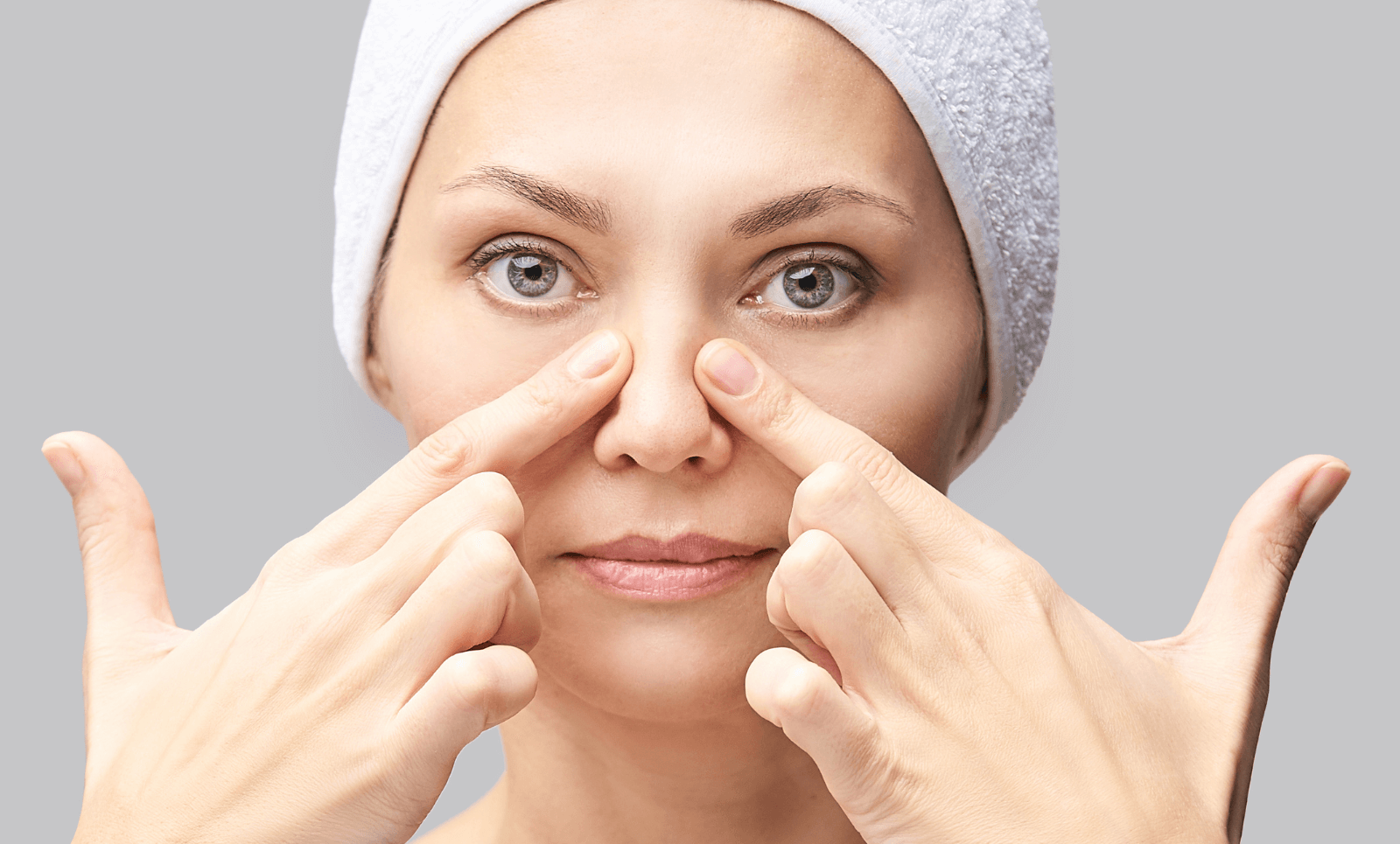
Cómo lucir una piel sana
Para tener una piel sana es imprescindible cuidarse tanto por dentro como por fuera. Aquí tienes algunos consejos. -
Terapia lumínica: cómo mejorar la salud de tu piel
La terapia lumínica de baja intensidad nos permite tratar distintas afecciones de la piel, como el envejecimiento, la rosácea o el acné. -
Cómo eliminar las cicatrices de acné
Atenuar o eliminar las cicatrices de acné es posible mediante tratamientos de dermatología integrativa. ¡Te lo contamos!
F.A.Q.
-
What causes rosacea?
The exact cause of rosacea is unknown. Inflammation of the pilosebaceous follicle, when triggered by an abnormal immune system response, is presently categorised as an autoimmune disease. Frequently, elevated numbers of the Demodex mite have been observed on rosacea-afflicted skin, concurrently with changes in the dermal microbiota. Correspondingly, digestive ailments affect certain individuals; specifically, an overgrowth of the stomach bacterium, Helicobacter pylori. In these cases, treatment for Demodex cutaneous and Helicobacter pylori will improve rosacea of the skin. There may also be genetic factors at play, as some families are prone to rosacea.
-
What triggers rosacea?
The following factors may trigger or worsen rosacea:
- Ultraviolet radiation
- Changes in temperature, both cold and heat. Heating systems, especially heat pumps, worsen symptoms.
- Alcohol
- Tobacco
- Coffee and stimulants
- Spicy food
- Stress and emotional disturbances
- Oily cosmetics or cosmetics containing irritants such as propylene glycol
- Inappropriate make-up
- Digestive disorders
-
What is the treatment for rosacea on the skin?
Many patients ask how long rosacea lasts and whether the symptoms are permanent or can be treated. Although rosacea is a chronic condition, with the right treatment tailored to each patient, the condition can be kept under control.
-
Is rosacea contagious?
Rosacea is not contagious. It has been observed that rosacea patients exhibit an elevated Demodex count on their skin, contributing to dysbiosis or a disruption of the skin microbiota; yet, while treating these mites can improve a patient's rosacea, these particular alterations do not spread to other people.
Expert opinion
Dra. Christina Schepers

For patients affected by rosacea, knowing how to control outbreaks of this condition can be life-changing. They should learn how to care for their skin, identify products that irritate them, and make the necessary lifestyle changes to avoid triggers. Even when outbreaks do occur, they know that there is a combination of medical treatments available, depending on the type of rosacea, including laser and low-intensity light therapy.