
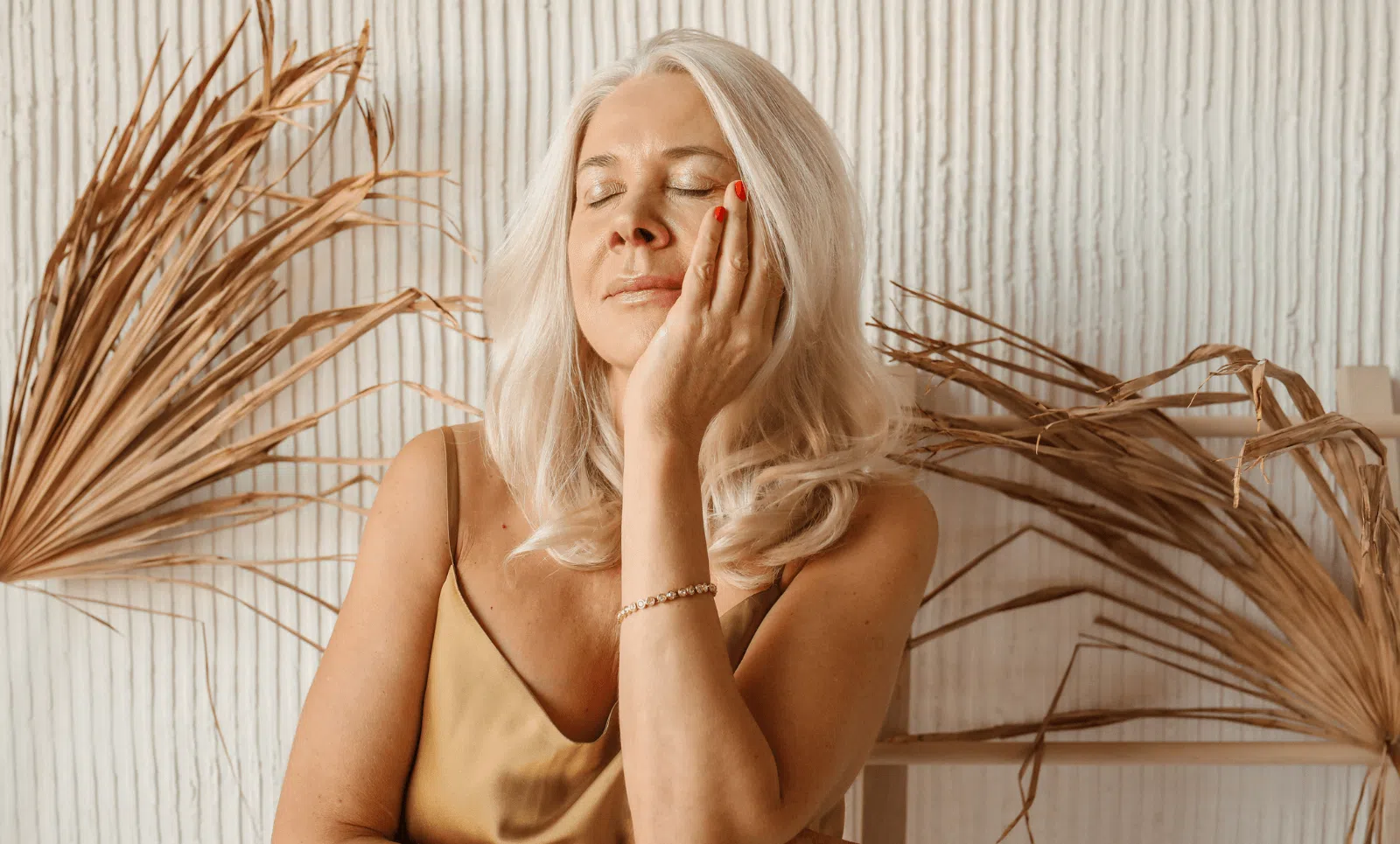
Have you noticed that your skin has become drier since entering menopause? This is a common change during this stage of life, as hormonal fluctuations can affect the skin’s hydration, elasticity and overall appearance.
Declining oestrogen levels are one of the main reasons why skin becomes drier during menopause. These hormonal changes can reduce collagen production, affect the skin’s natural protective barrier and contribute to a loss of firmness.
In this article, we explain how menopause affects your skin, why dryness becomes more noticeable and which habits and treatments may help maintain healthier, more hydrated skin.
How does menopause affect your skin?
Throughout life, women experience hormonal changes during stages such as puberty, pregnancy and menopause. These changes can influence both physical and emotional wellbeing.
During menopause, the ovaries gradually produce less oestrogen, a hormone that plays an important role in maintaining the skin’s structure, hydration and elasticity.
As oestrogen levels decline, the skin may become thinner, drier and less elastic, making signs of ageing more noticeable.
Some of the most common dermatological changes during menopause include:
- Increased skin dryness and sensitivity.
- Loss of firmness and elasticity.
- More noticeable fine lines and wrinkles.
- Changes in skin texture and pigmentation.
- Reduced natural sebum production.
Loss of firmness and elasticity
Oestrogen helps regulate several processes involved in maintaining healthy skin, including collagen synthesis and the renewal of skin cells.
Collagen is an essential structural protein that provides strength and support to the skin, while elastin contributes to its flexibility.
During menopause, the reduction in oestrogen can accelerate collagen loss, contributing to thinner skin, reduced firmness and more visible wrinkles.
These changes can affect different areas of the body, particularly the face, neck and décolletage.
Dark spots and changes in pigmentation
Skin ageing is influenced by both internal and external factors.
Internal factors include genetics, hormonal changes and the natural ageing process. External factors include sun exposure, smoking, environmental conditions and lifestyle habits.
Ultraviolet radiation is one of the main contributors to premature skin ageing and pigmentation changes.
Although menopause does not directly cause every type of dark spot, hormonal changes combined with accumulated sun exposure can make uneven pigmentation more noticeable.
Increased skin dryness
One of the most noticeable changes during menopause is a reduction in the skin’s ability to retain moisture.
As oestrogen levels decrease, changes in sebum production and the skin’s protective barrier can contribute to dryness, tightness and irritation.
Some women may also notice that their usual skincare products are no longer sufficient to maintain comfortable, hydrated skin.
Why does skin become dry during menopause?
The main reason for dry skin during menopause is the decline in oestrogen production. This hormone helps maintain skin hydration, thickness and elasticity.
When oestrogen levels fall, several changes can occur:
- The skin may produce less natural oil.
- Its ability to retain moisture may decrease.
- The skin barrier may become less effective.
- Collagen loss can contribute to thinning and reduced elasticity.
These changes can leave the skin feeling rougher, tighter and more sensitive than before.
The role of oestrogen in skin health
Oestrogen influences the activity of cells responsible for maintaining the skin’s structure and supporting collagen production.
It also contributes to skin hydration and helps maintain the integrity of the skin barrier.
When oestrogen levels decrease, these protective mechanisms may become less effective.
However, the intensity of these changes varies from one woman to another, depending on factors such as genetics, skin type, sun exposure and general health.
Can menopause also cause intimate dryness?
Hormonal changes during menopause do not only affect the skin on the face and body. They can also influence the tissues of the vulva and vagina.
Reduced oestrogen levels may cause the vaginal and vulval tissues to become thinner, less elastic and more sensitive.
These changes are often associated with genitourinary syndrome of menopause (GSM), which can affect intimate comfort and sexual wellbeing.
Vaginal and vulval dryness
As oestrogen levels decline, vaginal lubrication may decrease and the tissues may become more vulnerable to irritation.
Some women experience symptoms such as:
- Vaginal or vulval dryness.
- Burning or itching sensations.
- Discomfort during sexual intercourse.
- Increased sensitivity or irritation.
- Recurrent urinary symptoms in some cases.
Changes in the vaginal microbiota and pH may also occur during menopause.
These symptoms should not simply be accepted as an unavoidable part of ageing. A personalised gynaecological assessment can help identify the underlying cause and determine appropriate treatment options.
Vulval lichen sclerosus
Vulval lichen sclerosus is a chronic inflammatory skin condition that can affect the external genital area.
Although it can develop at different ages, it is more frequently diagnosed in postmenopausal women.
Its symptoms may include:
- White or pale patches on the vulval skin.
- Itching and irritation.
- Fragile skin that may tear easily.
- Changes in the appearance or structure of the vulva.
- Discomfort during sexual intercourse.
Lichen sclerosus is a distinct condition and is not simply caused by the reduction in oestrogen associated with menopause.
An accurate diagnosis and appropriate medical follow-up are essential to control symptoms and prevent complications.
How to improve dry skin during menopause
Although hormonal ageing cannot be completely prevented, certain skincare habits and medical treatments may help improve hydration, protect the skin barrier and maintain skin quality.
Maintain a consistent skincare routine
During menopause, the skin may benefit from products specifically formulated to restore hydration and support its protective barrier.
Some useful recommendations include:
- Using gentle cleansers that do not strip the skin of its natural oils.
- Applying moisturisers containing ingredients such as hyaluronic acid, glycerin or ceramides.
- Avoiding overly aggressive exfoliating products if the skin is sensitive.
- Using broad-spectrum sunscreen daily.
- Adapting skincare products to changes in skin sensitivity and hydration.
Consistency is particularly important, as maintaining the skin barrier can help reduce dryness and discomfort.
Follow a balanced, anti-inflammatory diet
Nutrition also plays an important role in maintaining healthy skin.
A balanced diet rich in vegetables, fruit, healthy fats and adequate protein can help support normal skin function.
Foods containing antioxidants, omega-3 fatty acids and essential vitamins contribute to overall health and may help support the skin’s natural protective mechanisms.
Other beneficial habits include maintaining adequate hydration, getting sufficient sleep, avoiding smoking and limiting excessive alcohol consumption.
Consider personalised dermatological treatments
When changes in skin texture, pigmentation or firmness become more noticeable, dermatological and aesthetic medicine treatments may help address specific concerns.
Depending on the patient’s skin condition and individual needs, a specialist may recommend treatments aimed at:
- Improving skin hydration and texture.
- Reducing the appearance of fine lines.
- Addressing pigmentation irregularities.
- Supporting collagen production.
- Improving overall skin quality.
A personalised medical assessment is essential to determine which treatments are appropriate for each patient.

Can hormone replacement therapy improve dry skin?
Hormone replacement therapy (HRT), also known as menopausal hormone therapy, may be recommended for certain women experiencing symptoms associated with declining oestrogen levels.
Some studies suggest that oestrogen therapy may have beneficial effects on skin hydration, thickness and collagen content.
However, HRT is not generally prescribed solely to treat dry skin or prevent skin ageing. Its use should be based on a broader assessment of menopausal symptoms, medical history and individual benefits and risks.
Different hormone formulations and administration methods are available, including oral and transdermal treatments.
Transdermal oestrogen may be associated with a lower risk of venous thromboembolism than oral oestrogen in certain patients, but the most appropriate treatment depends on individual circumstances.
Women with a uterus who receive systemic oestrogen generally also require appropriate progestogen treatment to protect the endometrium.
Any decision regarding hormone therapy should be made following a detailed medical consultation and individual risk assessment.
Menopause and skin health: the importance of personalised care
Dry skin during menopause is a common consequence of hormonal changes, particularly the decline in oestrogen levels.
These changes can affect hydration, elasticity, collagen production and the appearance of the skin, while also contributing to intimate symptoms such as vaginal dryness.
At Clínica Planas, we understand that menopause affects every woman differently. Our approach focuses on evaluating each patient’s symptoms and needs to identify the most appropriate options for maintaining skin health and overall wellbeing.
With the right skincare habits, medical guidance and personalised treatments, it is possible to manage many of the changes associated with menopause and improve everyday comfort.
RECOMMENDED TREATMENTS

Menopause: diagnosis and treatment
Menopause marks the end of menstruation and is accompanied by hormonal changes that can affect physical and emotional wellbeing. Discover the personalised treatments available at Clínica Planas to help manage symptoms and improve quality of life during this stage.

Vulval lichen sclerosus
Vulval lichen sclerosus is a chronic skin condition affecting the female genital area. At Clínica Planas, we offer personalised treatments to help relieve symptoms, manage the condition and improve intimate wellbeing.

Vaginal dryness: symptoms and treatment
Vaginal dryness occurs when there is insufficient natural lubrication, which can cause discomfort and affect intimate wellbeing. It may be associated with menopause, hormonal changes or other factors.
