
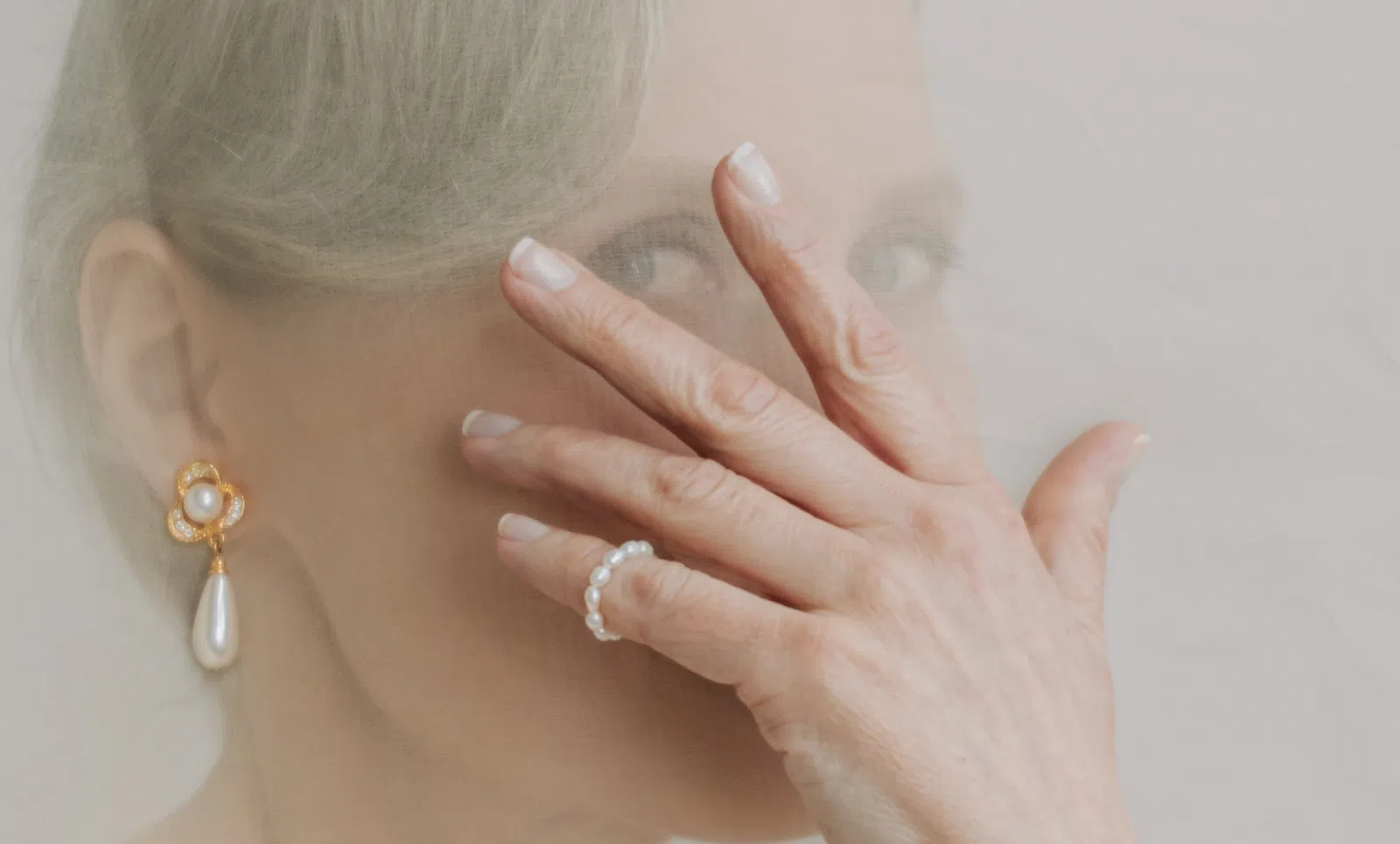
You may not know exactly what blepharoplasty is when you first hear the term, but if we tell you that it is surgery to remove excess skin from the eyelids, you probably know someone who has undergone the procedure or is considering it.
Over time, the skin of the eyelids becomes looser and more lax due to ageing and genetic predisposition, creating a tired or sad appearance. For this reason, blepharoplasty is one of the most popular surgical procedures today for rejuvenating the eyes and achieving a more youthful appearance.
How Long Is the Recovery After Blepharoplasty?
Recovery and the return to normal daily activities are very quick after surgery. After around 6 days, the stitches are removed if an upper blepharoplasty has been performed, as lower eyelid blepharoplasty does not normally require stitches. After approximately two weeks, any bruising that may have developed should have disappeared.
During the first three days or so, it is advisable to take time off work to avoid straining the eye area. However, if your job does not require any physical exertion, you can return to work after this period and resume an almost completely normal routine.

What Do the Eyes Look Like After the Procedure?
Blepharoplasty is a procedure that can achieve very satisfactory and rapid results. If you have undergone this surgery for aesthetic reasons, your eyes will have a much more rejuvenated appearance, without the tired or sad look they had before the procedure. If you have undergone surgery for functional reasons, your field of vision can be improved if it was previously restricted by excess eyelid skin, thereby improving your quality of life.
Frequently Asked Questions
What Does Blepharoplasty Involve?
Blepharoplasty is a surgical procedure in which excess skin is removed from the upper and lower eyelids. The skin in this area of the face is naturally thinner and more lax and, usually from the age of 40 onwards, this laxity becomes more pronounced. Combined with genetic predisposition, this can affect the anatomy of the eye area.
During blepharoplasty, periocular fat deposits are also removed. In the upper eyelid, there are two fat compartments, one inner and one medial, while the lower eyelid has a medial and an outer compartment. In many cases, lower eyelid blepharoplasty does not involve removing skin; instead, these fat deposits are accessed and the excess is removed.
What Are the Benefits?
- The main benefit of blepharoplasty is aesthetic
- Removing excess skin creates a more open appearance around the eyes and rejuvenates the overall look
- The tired and sad appearance of the face and eyes is reduced, which can also improve self-confidence.
For some older patients, blepharoplasty can also provide a functional benefit, as greater amounts of excess eyelid skin can restrict the field of vision. By performing this procedure, the eye opening and field of vision can be improved, helping to improve these patients’ quality of life.
At What Age Is Blepharoplasty Recommended?
Blepharoplasty can be recommended at any age, but excess eyelid skin generally begins to become noticeable from around the age of 40, particularly in people with blue eyes and fair hair, who tend to have greater laxity in this area.
Lower blepharoplasty may be required due to congenital factors, and some younger people may already have fat deposits from the age of 30. However, this is also generally more common from the age of 40 onwards.
What Is the Recovery Like?
Recovery after blepharoplasty is quick. After a couple of weeks, patients who have undergone this procedure can return to their normal routine, as any bruising that may have developed should have disappeared by then. From the sixth day onwards, the stitches in the upper eyelid are removed. Stitches are not usually required in the lower eyelid, but if they are used, they are also removed during the first week.
Recovery is generally very manageable, with standard painkillers and relatively mild discomfort. Cryotherapy is also recommended to reduce swelling in the area, along with an ointment to support the healing process.
How Many Days Off Work Will I Need?
It is advisable to remain off work while visible stitches are still in place. Generally, you can return to work after around one week, although some bruising may still be present.
If your work involves no physical exertion, you may be able to resume your usual activities from around the third day.
Will the Shape of My Eyes Change?
If you undergo blepharoplasty alone, without combining it with other procedures, the shape of your eyes will not change. Their appearance will simply be enhanced because the eye will appear more open and may look more almond-shaped or rounded as a result of the rejuvenation.
Are the Results of Blepharoplasty Permanent?
Nothing is permanent, so surgery cannot stop the ageing process. However, it can help delay its visible effects.
If you compare two people, one who has undergone blepharoplasty and one who has not, the person who has undergone surgery will have a more rejuvenated appearance because the visible signs of ageing will appear later.
A second blepharoplasty can be performed because the skin may begin to sag again due to ageing and gravity. The fat deposits may also become enlarged again, although generally to a lesser extent than before the first procedure.
What Procedures Can Be Combined with Blepharoplasty?
Several types of procedures can be combined with blepharoplasty. One of the most recommended is periocular laser treatment, as it can help improve not only the texture of the skin around the eyes but also fine lines, leaving the skin looking firmer.
After surgery, other aesthetic procedures can also be performed, such as expression line treatments for crow’s feet, helping to further improve the periocular area and, particularly, crow’s feet.
RECOMMENDED TREATMENTS

Blepharoplasty
Blepharoplasty involves removing excess skin and fat deposits from the eyelids, rejuvenating the appearance and expression of the eyes.

IPL. Skin Regeneration
A light-based treatment that combats skin ageing, improving skin tone and texture while reducing pigmentation, redness, enlarged pores and fine lines.

HIFU Treatment
With our HIFU treatment, you can achieve the desired lifting effect. At Clínica Planas, we have the latest technology to help achieve a skin-tightening effect.
