

Losing weight can be a difficult journey for many people, and once they have reached their desired weight, they may face a new aesthetic concern: loose skin, particularly around the abdomen. In this article, we explain why this happens and how it can be treated.
Why Does Skin Become Loose?
Several factors can contribute to loose skin. One of the most important is the loss of collagen and elastin, two key components responsible for keeping the skin firm and elastic. As we age, the production of these proteins decreases, meaning the skin becomes less able to return to its original shape after being stretched, as happens when we gain weight.
When weight is lost, particularly if the loss occurs rapidly, the skin may not have enough time to adapt to the body’s new size. Other factors, such as genetics, sun exposure and lifestyle habits such as smoking, can also play a role, causing the skin to become thinner and less elastic.
Causes of Loose Skin
In addition to ageing, there are three main factors that can contribute to loose skin, making it less elastic.
Amount of Weight Lost
The degree of skin laxity largely depends on how much weight has been lost and how quickly the weight loss has occurred. If the volume of body fat decreases rapidly, the skin, which had previously been stretched to accommodate that volume, may not have enough time to retract, resulting in loose skin.
However, not everyone experiences this in the same way. Factors such as genetics and the individual’s collagen quality play a crucial role in determining how much skin laxity develops.
Length of Time at a Higher Weight
The amount of time a person has been overweight can also influence skin laxity. The longer the skin has remained stretched, the more difficult it may be for it to return to its original shape. This is similar to an elastic band that has been stretched for a long time and does not completely return to its initial state.
In addition, if stretch marks have developed, the skin is more likely to remain loose after weight loss.
Nutrition
Skin quality is also closely related to nutrition. A diet lacking essential nutrients and adequate protein can contribute to a gradual loss of skin elasticity. Adequate nutrition is important for maintaining the structure and health of the skin and supporting its natural elasticity.
How Can Loose Skin Be Removed?
In many cases, significant loose skin requires a surgical procedure to remove it. Although certain treatments can improve the appearance and quality of the skin—such as minimally invasive procedures that use advanced technologies to stimulate collagen production and tighten the skin—these are generally most effective when skin laxity is mild to moderate. Examples include Morpheus8 and HIFU.
When skin laxity is more severe, surgery may be the most appropriate option. Surgery can not only remove excess skin but also improve the shape and contours of the body. One of the most common procedures in these cases is lipectomy, which removes excess skin from the abdomen and leaves a scar that can usually be concealed beneath underwear.
Post-Weight-Loss Surgery
Surgery following significant weight loss is personalised to each patient. Procedures are tailored to the individual, as the needs of each patient vary depending on the amount and distribution of excess skin.
Lipectomy is one of the most common procedures, but there are several variations:
Lipectomy with a low scar: This is the most commonly performed option, with the scar positioned along the bikini line.
Circumferential lipectomy: The scar extends around the entire waist. This is generally used following significant weight loss or when greater definition of the silhouette is desired.Lipectomy with a vertical scar: This may be recommended in cases where the patient has previously undergone abdominal surgery or where there is a significant amount of excess skin.In addition to abdominal surgery, lipectomy procedures can also be performed on the thighs and arms to remove loose skin in these areas. Breast surgery may also be performed in both men and women following significant weight loss.
Scars After Massive Weight-Loss Surgery
It is natural to be concerned about the scars resulting from surgery, but there are two important factors to consider.
In aesthetic surgery, every effort is made to position scars in areas where they will be as discreet as possible, such as natural body folds or beneath underwear.
By following the surgeon’s postoperative care instructions, scars can become considerably less noticeable over time in many cases.
There are also several options that can help improve the appearance and quality of scars, including intraoperative or postoperative laser treatments, silicone sheets, LPG treatments and other specific scar-care therapies.
recommended treatments
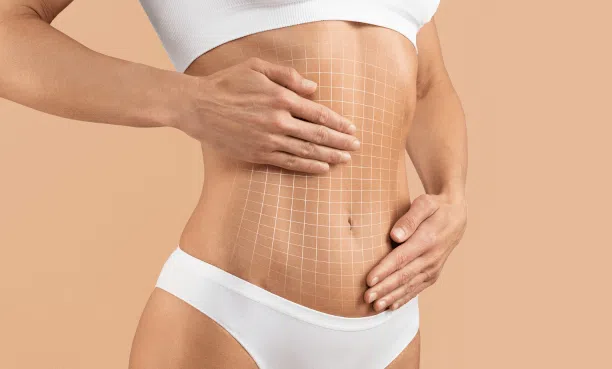
Abdominoplasty
Abdominoplasty can help restore a flatter abdomen by removing excess skin and localised fat and repairing the abdominal wall muscles.

Morpheus8 – Facial and Body Skin Laxity
A non-surgical treatment designed to reduce skin laxity and rejuvenate the face and body.

HIFU Treatment
Our HIFU treatment helps achieve the lifting effect you desire. At Clínica Planas, we use advanced technology to effectively tighten and firm the skin.
ARTÍCULOS RELACIONADOS
-

Liposculpture and liposuction are two body contouring techniques that allow us to reshape the silhouette…
-

Pregnancy is a wonderful time in many ways, but it is also a process that…
-
The abdominal skin laxity is a common concern among both women and men and can…


