What is the Ultrapulse Alpha CO₂ Laser?
The Ultrapulse Alpha represents the new era of CO₂ lasers. Its main difference compared to other models is that, after years of research, it achieves a pulse fraction of 0.1 milliseconds. This is a major advancement compared to older ultrapulsed lasers (0.5 milliseconds) and standard CO₂ lasers on the market (2–4 milliseconds).
These extremely short pulses provide incredible precision: the smaller the impact, the more selective it is on the tissue being treated, resulting in higher quality and more controlled cuts.
Benefits include:
- Better results
- Less discomfort for the patient during post-treatment
- Greater preservation of surrounding tissues
For example, during facial rejuvenation with CO₂ laser, we create micro-injuries in the skin to stimulate the formation of new collagen and elastin fibers. The finer these thermal micro-columns—or micro-injuries—are, the more benefits we achieve because there is greater selectivity. This means there’s no heat damage to neighboring tissues, which is usually what causes post-treatment issues.In other words, the more selective these micro-injuries are, the more we preserve surrounding tissues and focus precisely on the target area.
Book an
appointment
CLÍNICA PLANAS' DATA PROTECTION INFORMATION CLICK HERE
Purposes: To respond to your requests and to send you commercial information about our products and services, including via electronic means. Rights: At any time, you can withdraw your consent, access, rectify, delete your data and exercise other rights at doctor@clinicaplanas.com. Additional Information: Privacy Policy.

Our Patients’
Reviews
 Raquel Pacheco
12/08/2026
Raquel Pacheco
12/08/2026

 Robbie Berman
11/08/2026
Robbie Berman
11/08/2026
 M.Claustre Besora Canal
02/07/2026
M.Claustre Besora Canal
02/07/2026
 Cristina López sole
09/06/2026
Cristina López sole
09/06/2026
CO₂ Laser Treatments
Burns
Scars resulting from burns are particularly deep. These are not typical surgical scars; we are talking about thermal scars (for example, from contact with fire, very hot surfaces, or boiling water) or electrical burns.These burns can reach very deep thermal layers, even damaging the subcutaneous tissue. This can result in extensive wounds with many fibrous tracts.
In these cases, CO₂ laser treatment aims to volatilize these fibrous tracts, allowing the tissue to be repaired from the base up. In other words, the goal is to regenerate “dead” tissue so that it transforms into tissue with better elasticity, improved color, and fewer issues with dryness.
The ability to repair this tissue represents a significant improvement in patients’ quality of life.
Blepharoplasty (Droopy Eyelids)
Although we cannot achieve the same results as a surgical blepharoplasty—where excess skin is cut and removed—the CO₂ laser allows us to rejuvenate the eyes to some extent by treating droopy eyelids.With this laser, we achieve tissue retraction, which helps to combat sagging.
For the lower eyelids, where skin removal is usually avoided due to the risk of altering the natural look of the eyes, we can combine a transconjunctival blepharoplasty with CO₂ laser treatment. This enhances the result by promoting skin retraction and thickening, which helps to reduce the appearance of dark circles and fine wrinkles.
Scars
In scar treatment, the first step is to differentiate the type of scar, which can be:
- Atrophic scar
- Hypertrophic scar
- Keloid scar
The most common approach is to first apply a non-ablative fractional laser, such as the Ex-glass non-ablative laser, fractional radiofrequency, or a vascular laser, which help to devascularize and regenerate the skin in the more superficial layers. If this technology does not sufficiently improve the type of scar being treated, we then proceed to work on the deeper layers of the skin using a CO₂ laser.
Wrinkles
The treatment of wrinkles is one of the most interesting applications of the CO₂ laser. It is also important to differentiate the type of wrinkle:
- Dynamic wrinkles: These are primarily caused by normal facial movements, such as frown lines between the eyebrows or “crow’s feet.” In these cases, it is necessary to block the action of the responsible muscle using neuromodulator treatment.
- Gravitational wrinkles: These are deep wrinkles, mainly caused by the natural aging of the skin.
With the CO₂ laser, we can improve these wrinkles in the deeper layers of the skin, achieving results that typically last for years, in areas such as the lips or cheeks, as well as fine wrinkles under the lower eyelid.
Acne Scars
The CO₂ Ultrapulse Alpha laser features a new scanner that allows us to work at three levels of depth:
- Deep
- Deep high
- Scar
The third level, the deepest, is the most appropriate for acne scars, as it allows us to achieve with the laser what previously required scar excision, a technique that is much more traumatic for the skin.
Dark Circles
Although the CO₂ laser is not considered a primary treatment for dark circles, it can be useful in improving this aesthetic concern when combined with other procedures such as:
- Nanofat
- Hyaluronic acid injections
Its effectiveness as part of this set of techniques stems from the fact that it plumps up the skin in this area, thereby concealing the darkness of dark circles.
Warts
We can use the CO2 Ultrapulse Alpha laser to treat warts—hyperplastic lesions—on the facial area. This approach allows us to avoid surgery in this region, where surgical procedures can be very traumatic.
The first step is a dermatological diagnosis to confirm that it is a carcinoma in situ, such as a basal cell carcinoma, and not a melanoma. In the case of these benign lesions, laser treatment is recommended, along with a follow-up every six months to monitor them and confirm that the lesion has been completely removed.
CO2 Laser Machine Used at Clínica Planas
In the Laser Unit at Clínica Planas, we use the CO2 Ultrapulse Alpha laser. The benefits of this technology include:
- Ability to reach deep lesions
- Preservation of the tissue surrounding the lesion
- Skin regeneration from the base.
- Maximum cutting precision
This increased precision in cutting also results in:
- A smoother recovery
- Fewer potential complications
- Fewer side effects
Benefits and Results of the Treatment
Our main goal when using the CO2 Ultrapulse Alpha laser is to “compact” the dermis—that is, to achieve the most structured dermis possible, with fibers fully bonded together.
This is what gives the skin its quality by regulating the sebaceous glands and hydration factors, resulting in:
- Finer pores.
- More luminous and even skin (without dry or oily areas)
- And, of course, improvement of lesions and wrinkles
How a CO2 Laser Session Is Performed at Clínica Planas
CO2 laser sessions are performed in the clinic, do not require any preoperative preparation, and last between 5 and 20 minutes depending on the case. The type of anesthesia used mainly depends on the size of the lesion:
- For small lesions, such as a skin tag (acrochordon), anesthesia is often not necessary.
- For multiple or larger lesions, a subcutaneous infiltration of anesthesia is sufficient.
- For full-face treatments, a topical anesthetic cream is applied to the entire area. In areas like the cheeks, forehead, and nose, this is usually well tolerated. Nerve blocks are used for the lips, and a small amount of subcutaneous anesthesia is applied to the eyelids. This combination allows the treatment to be comfortably tolerated. In the past, performing a full-face laser required taking the patient to the operating room and putting them under general anesthesia. With current CO2 laser technology, this is no longer necessary, as the procedure is well tolerated with topical anesthesia.
Related treatments
-

Unifying the Skin with IPL
A light source that fights aging of the skin, improving its tone and texture, as well as eliminating stains, redness, dilated pores and fine wrinkles. -
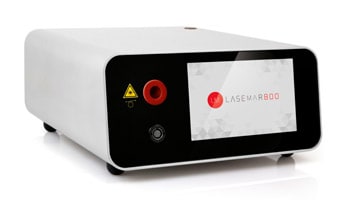
Eufoton Laser
Improve your skin without surgery using Eufoton laser technology: treat sagging skin, dark spots, spider veins, and more with safe and precise medical technology. -
ResurFX Laser
Rejuvenate your skin with the ResurFX laser: improve wrinkles, skin texture, and scars without damaging the skin’s surface. No downtime, with visible results.
Related
articles
-
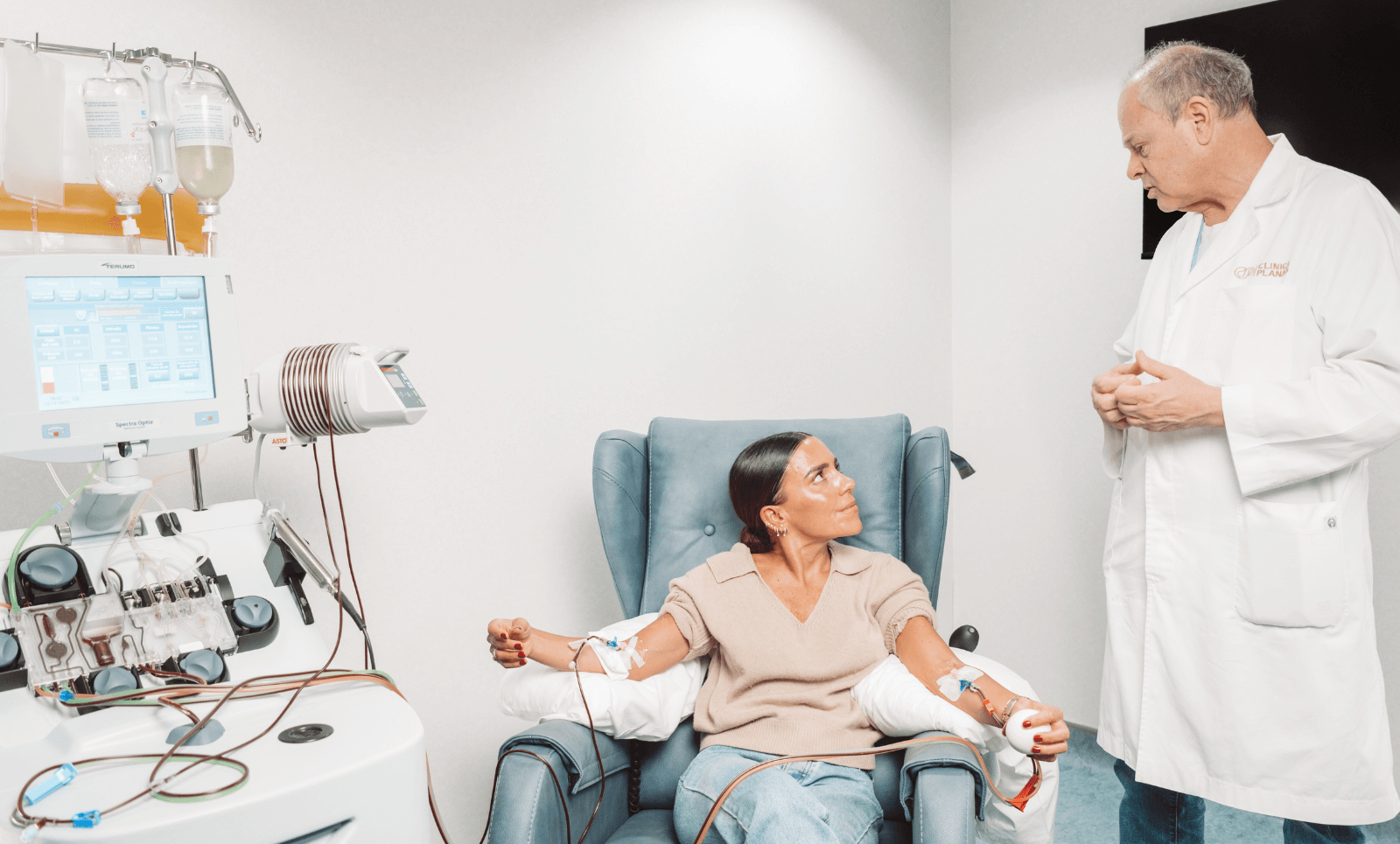
Tips to strengthen our immune system
In this article, we explain how to strengthen the immune system in an effective and safe way. -

Regenerative Medicine from the Root: How to Prepare My Longevity Plan
In this post we discuss the concept of the longevity plan: What is it? What benefits can it bring to my health? -
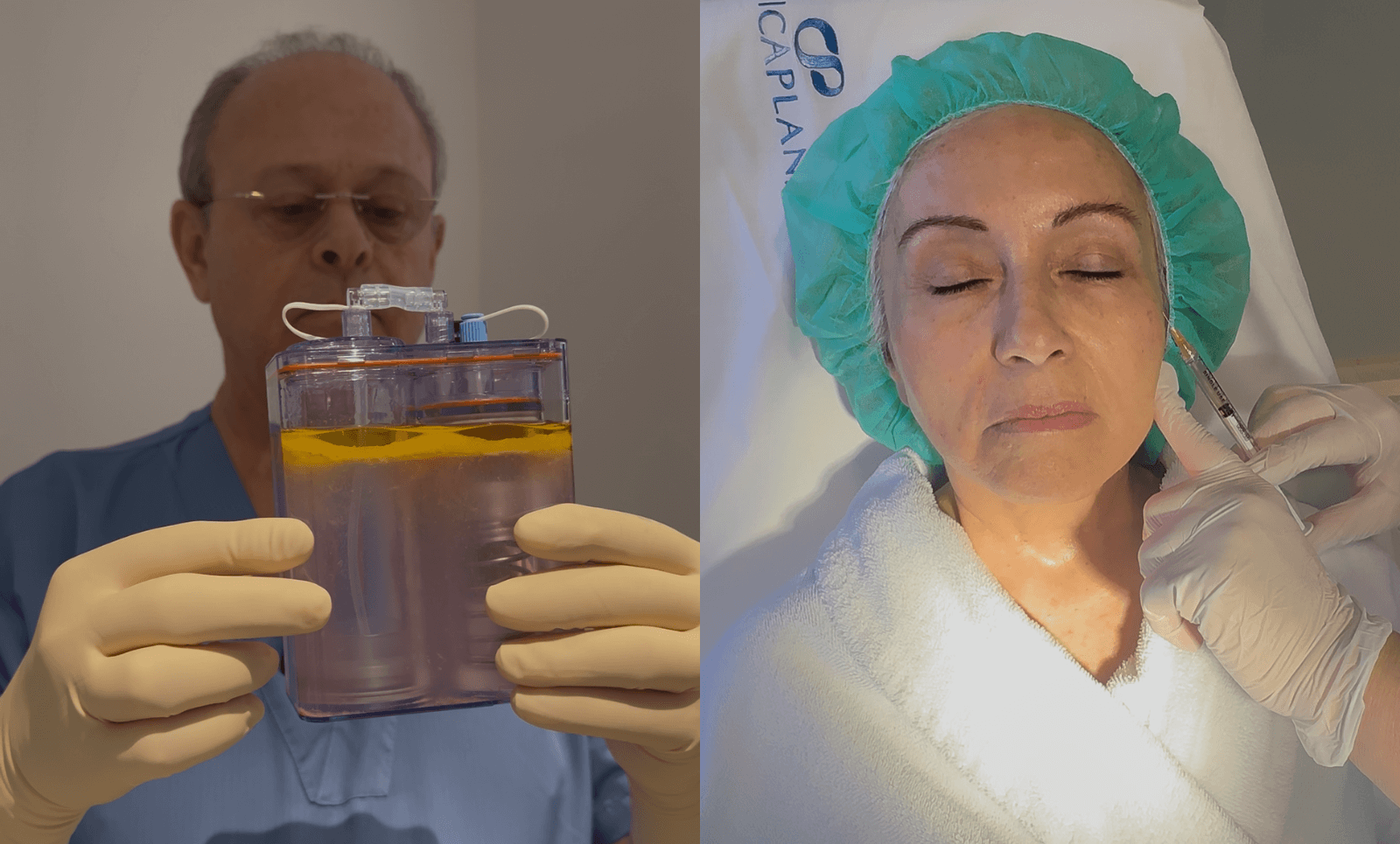
What is Regenerative Medicine?
We are starting a series of conversations between Dr. Jorge Planas, plastic surgeon and medical director of Clínica Planas, and Dr. Miguel Garber, expert in regenerative medicine.
How Recovery from CO2 Laser Works
Recovery after CO2 laser treatment mainly involves two phases:
- First week care consists of disinfecting the area and applying creams that will maintain the moisture of the wound until it heals, to prevent scab formation.
- In the second stage, once the lesion has healed, we can apply skin repair products and sunscreen.
This applies to any type of treatment, from removing a small wart to a resurfacing. In the first phase, it is very important to maintain the skin’s moisture so that its new layers can form.
CO2 Laser: Price
The price of CO2 laser treatment starts from €300 per session, based on the medical assessment.
At Clínica Planas, we perform a complete diagnosis for our patients to evaluate each case individually and provide high-quality information along with a personalized quote tailored to their needs.
F.A.Q.
-
How many CO2 laser sessions are needed to see results?
In most cases, a single CO2 laser session is enough to achieve the desired result. Additional sessions may be required in complex cases or for the treatment of warts.
-
Is CO2 laser treatment painful?
CO2 laser treatment is not considered painful, especially with the technology we currently use. In more complex cases or when treating larger areas, applying topical anesthesia (cream) is sufficient.
-
How to eliminate redness after CO2 laser?
The disappearance of redness after treatment is mainly a matter of time. After applying the CO2 laser, erythema will appear, which, although it may seem harmful, is actually positive—it is an induced inflammation that helps repair the skin.
Therefore, trying to eliminate the erythema with products like corticosteroids is a mistake, because our goal is for this repair process to be completed. Redness is usually pinkish for a few days and can be camouflaged with makeup after about a week.
Expert opinion
Dra. Montserrat Planas

The CO2 Ultrapulse Alpha laser is considered the most precise and versatile laser on the global market. In addition to skin rejuvenation, it allows us to treat a wide range of pathological and aesthetic skin lesions, from hyperplastic lesions and wrinkles to improving overall skin quality. This technology allows us to treat the deeper layers of the skin while preserving the surrounding tissues. In most cases, a single session is sufficient to achieve the desired result.