What is the Long Hair FUE technique?
A Long Hair FUE (Follicular Unit Excision) hair transplant is an innovative hair transplant technique that extracts and implants hair follicles without shaving the hair. This feature makes the method a particularly attractive option for patients who wish to maintain their usual appearance after treatment.
Unlike conventional methods, the Long Hair FUE technique involves extracting the complete follicular unit without trimming, which allows for an immediate assessment of the aesthetic outcome. However, not all patients are suitable candidates for this procedure. Suitability depends on a professional assessment of the hair loss type, hair characteristics, and scalp health to determine if the technique is viable.
Book an
appointment
CLÍNICA PLANAS' DATA PROTECTION INFORMATION CLICK HERE
Purposes: To respond to your requests and to send you commercial information about our products and services, including via electronic means. Rights: At any time, you can withdraw your consent, access, rectify, delete your data and exercise other rights at doctor@clinicaplanas.com. Additional Information: Privacy Policy.


Our Patients’
Reviews
 José Miguel Guinda García
16/04/2026
José Miguel Guinda García
16/04/2026

 Raquel Pacheco
12/08/2026
Raquel Pacheco
12/08/2026
 Robbie Berman
11/08/2026
Robbie Berman
11/08/2026
 M.Claustre Besora Canal
02/07/2026
M.Claustre Besora Canal
02/07/2026
Benefits of the Long Hair FUE method
One of the main advantages of hair micrografting using the Long Hair FUE technique is that there is no need to shave the hair, either in the donor or recipient areas. This represents a sophisticated shift in the patient’s experience, as they can keep their usual look from the very start for an entirely discreet postoperative period. This approach is highly sought after by anyone who value total privacy and wish for the procedure to go unnoticed within their social or work circles.
Beyond these benefits, the recovery process is designed to be much more comfortable and quicker. By retaining the hair’s length, the small scabs that form after surgery remain hidden, making it easier to resume daily routines without any visible aesthetic discomfort. For most, life returns to normal very quickly, with a return to their usual activities possible within a matter of days.
From a technical perspective, this protocol employs Follicular Unit Extraction (FUE), involving the individualised harvesting of follicular units. This surgical precision minimises trauma to the donor area, avoiding visible scarring and resulting in a much more natural-looking final result. Additionally, unlike previous techniques such as the strip method, the FUE method does not rely on a single extraction area; hair can be obtained from the back and sides of the scalp.
Procedure
The procedure is very similar to traditional FUE hair transplantation, except the hair is not shaved in the Long Hair FUE method:
- Initial assessment and design: The recipient area is mapped out and the donor area is defined. This design is carried out carefully to ensure a harmonious aesthetic result.
- Sedation and anaesthesia: Oral sedation is administered for the patient’s comfort, followed by local anaesthesia using a needle-free pressure device, which reduces discomfort during the procedure.
- Follicular extraction without shaving: Extraction occurs one by one while the hair remains long, beginning from the sides and then moving towards the back.
- Implantation: There are two techniques:
- Implanter (pen-type): The follicle is loaded into the device and implanted directly.
- Sapphire: Micro-incisions are first made using a sapphire scalpel, and the follicles are then implanted.
Differences between Long Hair FUE and other hair transplant techniques
The Long Hair FUE technique differs significantly from traditional FUE, primarily because it does not require shaving the hair. Traditional techniques require the donor area—usually the back and sides of the scalp—to be fully shaved, but the Long Hair method does not, providing an aesthetic advantage for many patients.
By not shaving, patients can keep their usual appearance from day one, helping to make the time after the procedure much more discreet. The small scabs that form after the implant are concealed by the long hair, making the recovery process more bearable.
The surgical procedure for both techniques uses the same FUE method, extracting hair follicles individually. There are no differences in the way the grafts are obtained or implanted. Because the hair stays long in the Long Hair technique, the patient gets an immediate glimpse of what the final result will look like.
Preoperative phase
A successful hair transplant depends on the preoperative phase, particularly when employing advanced techniques such as Long Hair FUE. Every patient undergoes a thorough medical assessment prior to the procedure, evaluating hair loss severity, scalp condition, and overall health status.
In some cases, preparatory treatment is required prior to surgery. For example, if the scalp is excessively oily or, conversely, excessively dry or flaky, specific dermatological products may be prescribed to balance the skin and create a more suitable environment for follicle implantation. A healthy scalp is key to ensuring the successful implantation of grafts and the quality of subsequent hair growth.
If the patient has a relevant medical history, the surgical protocol will need to be adapted. In some cases, additional tests or specific treatments are recommended to minimise risks and ensure an optimal recovery.
Related treatments
-
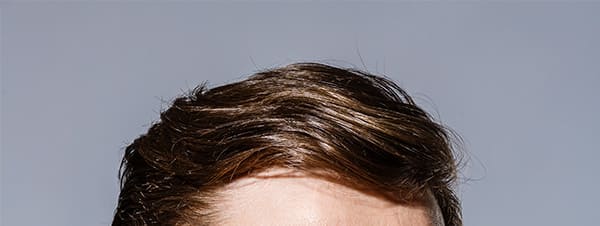
Hair micro-grafts
Hair surgery consists of implanting follicular units in the hair loss area, resulting in new, natural and definitive hair. -

Eyebrows micrografts
Eyebrow micro-grafts brings back a natural look to the face, creating a younger and harmonious face. -
Beard Transplant
With a beard transplant, you’ll achieve a thick, well-defined beard. Get natural-looking results with the most advanced techniques at Clínica Planas.
Related
articles
-

What is blood plasma?
What exactly is plasma, what functions does it serve, and how can it be safely cleaned of toxins? -
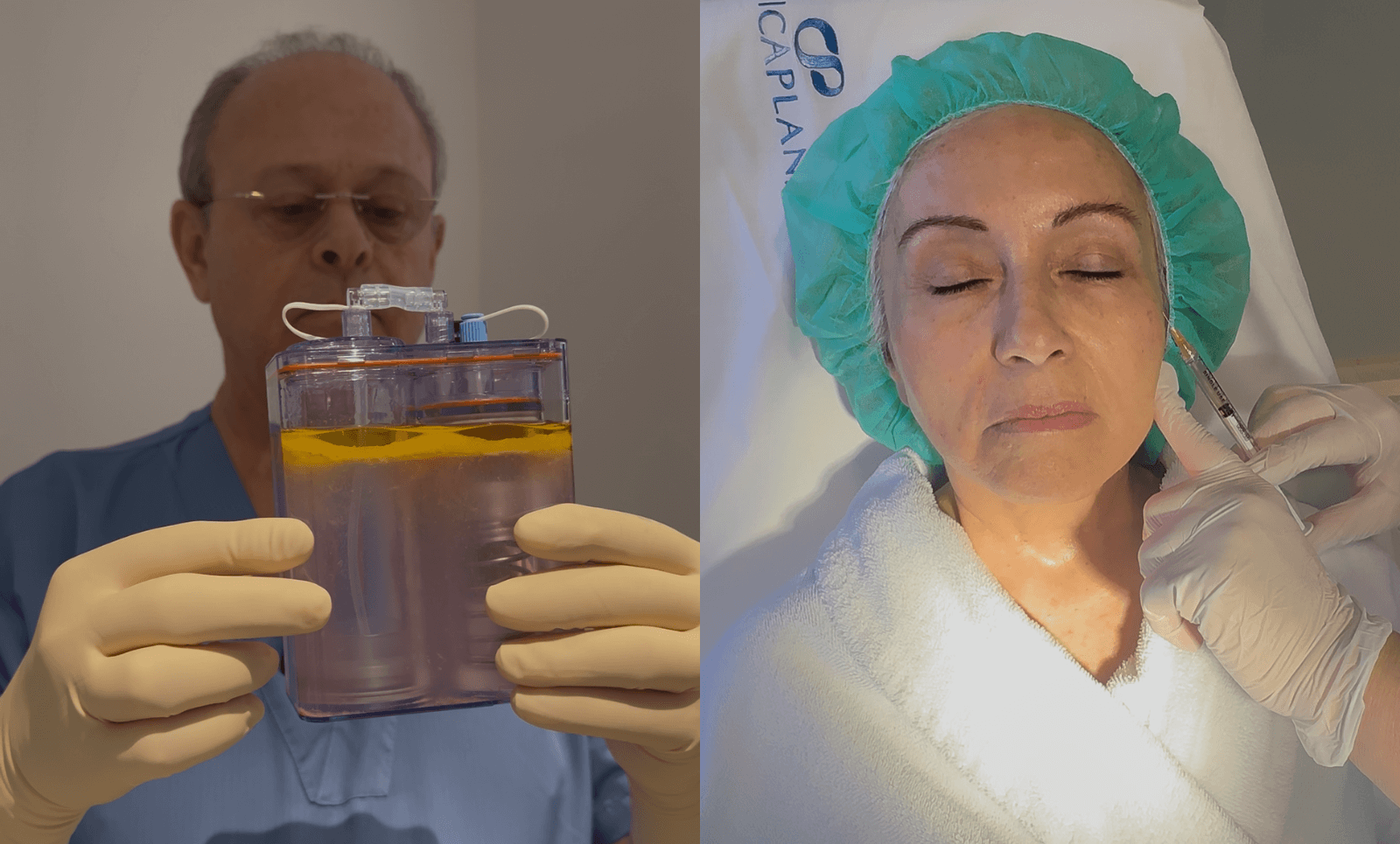
What is Regenerative Medicine?
We are starting a series of conversations between Dr. Jorge Planas, plastic surgeon and medical director of Clínica Planas, and Dr. Miguel Garber, expert in regenerative medicine. -

Regenerative Medicine from the Root: How to Prepare My Longevity Plan
In this post we discuss the concept of the longevity plan: What is it? What benefits can it bring to my health?
Postoperative phase
One of the distinct advantages of Long Hair FUE is that it does not require a hospital stay. Patients can go home on the day of the procedure, following specific aftercare guidelines.
- It is completely normal to see small scabs in the treated area for a few days. These scabs are part of the natural healing process and usually fall off gradually between the seventh and twelfth day, thanks to gentle washing as advised by the medical team. It is important not to scratch or force them off so as not to damage the newly implanted follicles.
- In the following weeks, usually between the second and fourth, it is common for the transplanted hair to fall out temporarily. This is completely normal and nothing to worry about. It does not mean the graft has been lost, but rather a temporary phase before new growth begins.
- From the third or fourth month onwards, a key stage begins: the gradual growth of new hair. During this phase, the grafted follicles enter their natural growth cycle and the hair begins to grow visibly. Over the following months, both the density and thickness of the hair increase, until the final result is achieved between 12 and 18 months after the procedure.
This process may vary slightly from one patient to another, but in all cases it is accompanied by personalised medical follow-up to ensure proper progress and address any concerns during the post-operative period.
F.A.Q.
-
How long does a FUE hair transplant take?
The duration depends on the severity of the hair loss and the number of follicles to be transplanted. Generally, the procedure takes between 6 and 8 hours, with a break halfway through the day to allow the patient to rest and for the follicular units to be cleaned.
-
Does the Long Hair FUE method require shaving the hair?
No. That is precisely the main advantage of this technique: it is performed without the need for shaving.
-
What are the Long Hair FUE transplant suitability criteria?
- Women experiencing balding at the front or diffuse hair loss who do not want to shave their heads.
- Men with receding hairlines or localised alopecia.
- Patients who want a discreet recovery or who cannot afford a visible change during the first few days.
-
Can the Long Hair FUE technique be used for any degree of hair loss
No. In cases of advanced alopecia, it is preferable to use the FUE technique with a shaved scalp, as this allows for a greater number of follicles and faster implantation, thereby optimising graft survival.
-
When do the results of a Long Hair FUE transplant start to become visible?
The first signs of growth appear between the third and fourth month. The final result is established between 12 and 18 months, with hair that becomes denser, thicker and grows normally.
Expert opinion
Dr. Iván Torres

Long Hair FUE represents a technological evolution in hair restoration surgery and offers a particularly interesting alternative for patients who wish to maintain their usual appearance throughout the procedure. It is especially attractive for women and patients who, for personal or professional reasons, prefer to avoid complete shaving. However, it also requires extensive surgical experience and meticulous planning to ensure the correct handling and implantation of the follicles.