Cellulite, also known as orange-peel skin, is an aesthetic concern that primarily affects women throughout their lives. Although it does not pose a health risk, many people look for effective ways to treat it and reduce its appearance. Here, we explain in detail what orange-peel skin is, why it develops, its main causes and the most advanced treatments available to combat it.
What Is Orange-Peel Skin?
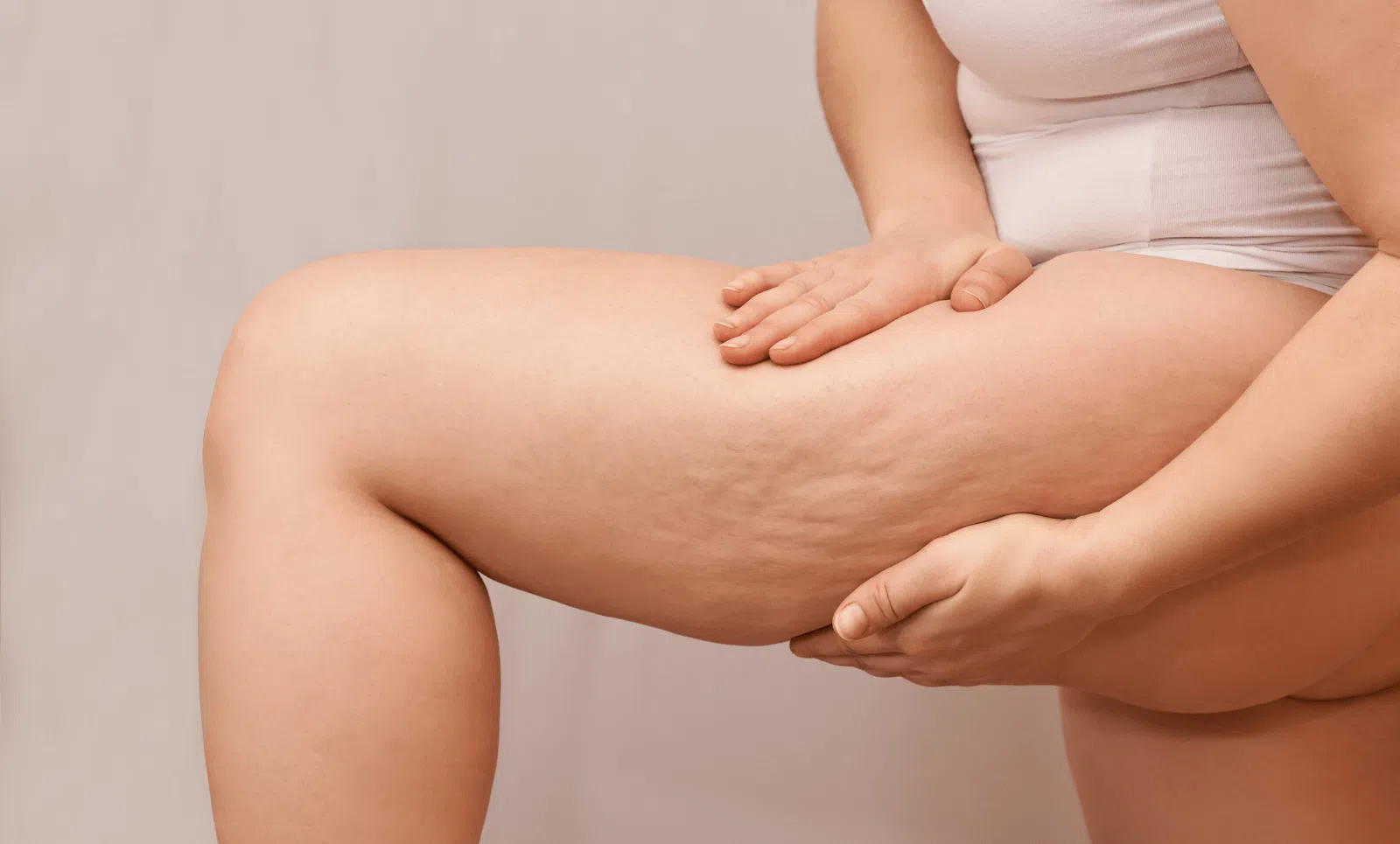
Orange-peel skin, or cellulite, is an inflammation of the subcutaneous tissue that creates an uneven appearance, with small dimples on the surface of the skin. It mainly affects women due to the influence of oestrogen, the female hormone, although some men may also develop it, particularly around the abdomen.
In women, the most common areas affected by cellulite are the thighs, buttocks, hips and abdomen. This is because these areas tend to have a lower blood supply, meaning they receive less blood flow, making it more difficult to transport oxygen and nutrients to the cells. This lack of oxygenation can cause inflammation and, in some cases, even mild pain.

Why Does Orange-Peel Skin Develop?
Orange-peel skin develops due to the accumulation of subcutaneous fat, which is more resistant and deeply embedded in the tissue. As these areas generally have a limited blood supply, oxygen does not reach them adequately, preventing this fat from being oxidised even during physical activity.
Although exercise and a balanced diet are important for improving muscle tone and overall health, in many cases they are not enough to eliminate cellulite completely. For this reason, specialised medical technology is needed to treat these areas effectively.
Lifestyle plays a key role in the development and worsening of orange-peel skin or cellulite. Habits such as smoking, excessive coffee consumption and following a diet high in saturated fats or red meat can make it more difficult to reduce. Therefore, in addition to targeted treatments, it is essential to adopt a balanced diet, combine strength training with aerobic exercise and complement these habits with advanced medical-aesthetic technology.
What Causes Orange-Peel Skin?
The main causes of orange-peel skin are:
- Genetic factors: the predisposition to develop cellulite can be inherited, and it is common among people with a family history of the condition. Therefore, if your mother or grandmother has or has had orange-peel skin, you are very likely to develop it too.
- Hormonal changes throughout our lives: as mentioned earlier in this article, oestrogen levels play a fundamental role in the development of cellulite. It begins to appear from puberty, coinciding with the first menstrual period, and worsens during stages such as menopause.
Difference Between Orange-Peel Skin and Cellulite
Although these terms are often used interchangeably, as orange-peel skin and cellulite are essentially the same thing, it is important to note that cellulite has several histological subtypes (depending on the shape and structure of the affected tissue). However, externally, all these subtypes present the characteristic orange-peel appearance.
Treatments to Reduce Orange-Peel Skin
Today, there are many technologies and techniques for effectively treating cellulite available at Clínica Planas. These are some of the most recommended:
LPG
LPG is a non-invasive mechanical skin stimulation technique that helps naturally reactivate cellular metabolism.
It improves blood circulation in areas affected by cellulite through deep mechanical massage. This method increases blood flow and oxygen supply, helping to oxidise subcutaneous fat. Results include a visible reduction in dimpling and an improvement in skin texture.
Mesotherapy
Mesotherapy is a procedure that involves injecting active ingredients into areas affected by cellulite. These substances stimulate lipolysis (fat breakdown) and the lymphatic system, while also having an anti-inflammatory effect, helping to break down fat cells.
The treatment is generally performed once a week and requires between 8 and 12 sessions, depending on the patient. It is ideal for people looking for a targeted, personalised solution to reduce the appearance of orange-peel skin.
RECOMMENDED TREATMENTS

Cellulite
Cellulite is one of the most persistent aesthetic concerns, a recurring and difficult challenge that requires a comprehensive treatment approach.

Cryolipolysis
A non-invasive body treatment for reducing fat and cellulite, without needles or injections and with immediate recovery.

Morpheus 8. Facial and Body Skin Laxity
A non-surgical procedure for reducing skin laxity and rejuvenating the face and body.
