
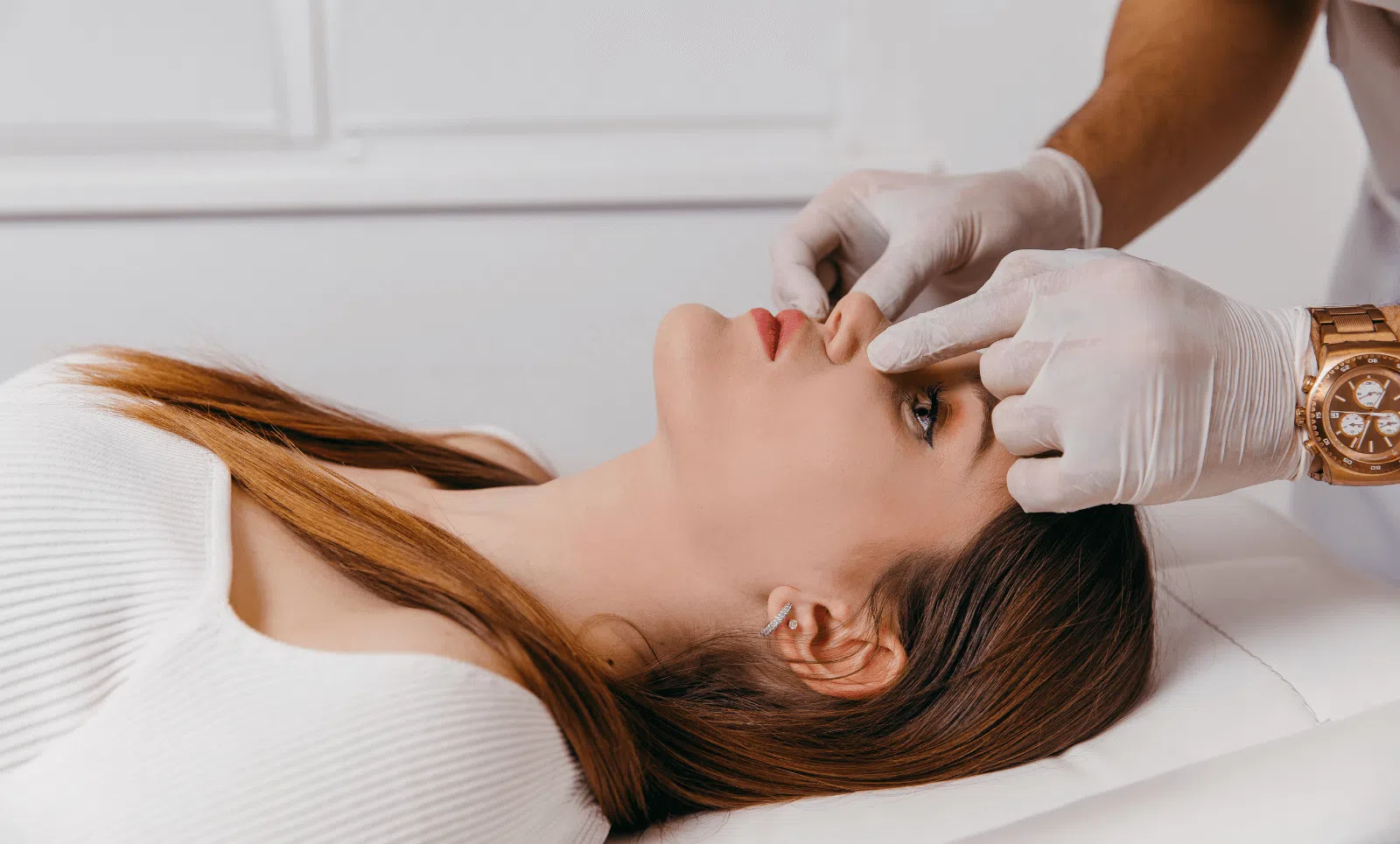
The effects of cocaine on the nasal septum—and even on the palate—can be so severe that patients may be forced to undergo septal surgery as a result of the damage this drug causes to the structure of the nose.
The data related to cocaine use are both alarming and highly revealing: more than 3 million people used cocaine in Spain over the past year, placing the country at the top of Europe in terms of consumption of this substance.
With these figures in mind, and before delving fully into the effects of cocaine on the nasal septum, it is important to establish some key concepts that will help provide a clearer overall understanding of the topic.
What is the nasal septum and what is its function?
The nasal septum is made up of cartilage—in this case, a perpendicular plate that extends from the nasal dorsum to the palate—and is covered on both sides by mucosa containing blood vessels.
The 3 main functions of the nasal septum
The nasal septum has three main functions:
- To separate the two nasal cavities
- To warm cold air
- To maintain the shape of the nose
Let’s take a closer look at each of these functions.
Separating the two nasal cavities
Keeping the nasal cavities separated ensures that if one of them becomes obstructed, the other can continue functioning “independently,” preventing a complete blockage of the natural nasal breathing process.
Warming cold air
The second function of the nasal septum is to warm cold air so that it does not reach the lungs at an excessively low temperature. This helps reduce the risk of colds, pneumonia, and other respiratory conditions.
Maintaining the shape of the nose
The third function, as mentioned earlier, is to maintain the shape of the nose, keeping it straight and properly supported.
The effects of cocaine on the nasal septum
As we have already mentioned several times throughout this article, the effects of cocaine inhalation on the nasal septum can be structurally devastating.
How does cocaine affect the nasal septum?
The explanation is straightforward. Cocaine, which originates from the leaves of the coca plant, is processed through various chemical methods to obtain the final product in the form of cocaine powder. When this powder is inhaled through the nose, it becomes the cause of serious damage to the cartilage structure of the nasal septum.
This happens because cocaine is a powerful vasoconstrictor, meaning it constricts or closes the capillaries, preventing—or significantly reducing—the flow of blood to the tissues.
The resulting lack of oxygen in the nasal septum leads to further consequences, such as an increased susceptibility to infections and small wounds in the septal mucosa. These lesions can then result in small perforations caused by tissue necrosis.
Additionally, due to the biological and physiological characteristics of cartilage (it is the only tissue in the body that survives through diffusion rather than direct blood supply), these small perforations can progressively extend either toward the palate or toward the nasal dorsum. When the perforation reaches these areas, it can cause a complete collapse of the nose.
What does a cocaine-induced perforated nasal septum look like?
As explained above, cocaine causes vasoconstriction, which prevents blood from reaching the septal mucosa and leads to tissue necrosis. This process initially creates a small hole that can gradually enlarge until the entire septum disappears—either upward, causing the nose to collapse, or downward, potentially perforating the palate as well.
Can the nasal septum regenerate on its own?
The nasal septum does not regenerate. The perforation caused by tissue necrosis will not heal or reduce on its own—on the contrary, it tends to progressively enlarge, potentially leading to complete destruction of the nasal septum and serious functional and structural consequences.
Treatment for nasal septum perforation
The treatment of a perforated nasal septum is surgical. At Clínica Planas, we move away from outdated concepts such as so-called “platinum septa” and focus on advanced mucosal rotation techniques, which are supported by medical evidence.
What does this procedure involve?
Mucosal rotation surgery is a specialized septal procedure in which the perforation is closed either by mobilizing the patient’s own septal mucosa or, when necessary, by using oral (buccal) mucosa to reconstruct the defect.
The choice of technique depends on the size, location, and severity of the perforation, as well as the patient’s specific condition.
If you are seeking a nasal procedure with a more aesthetic focus, you are also welcome to contact us. Our team will be happy to advise you on the treatment option that best suits your needs.
